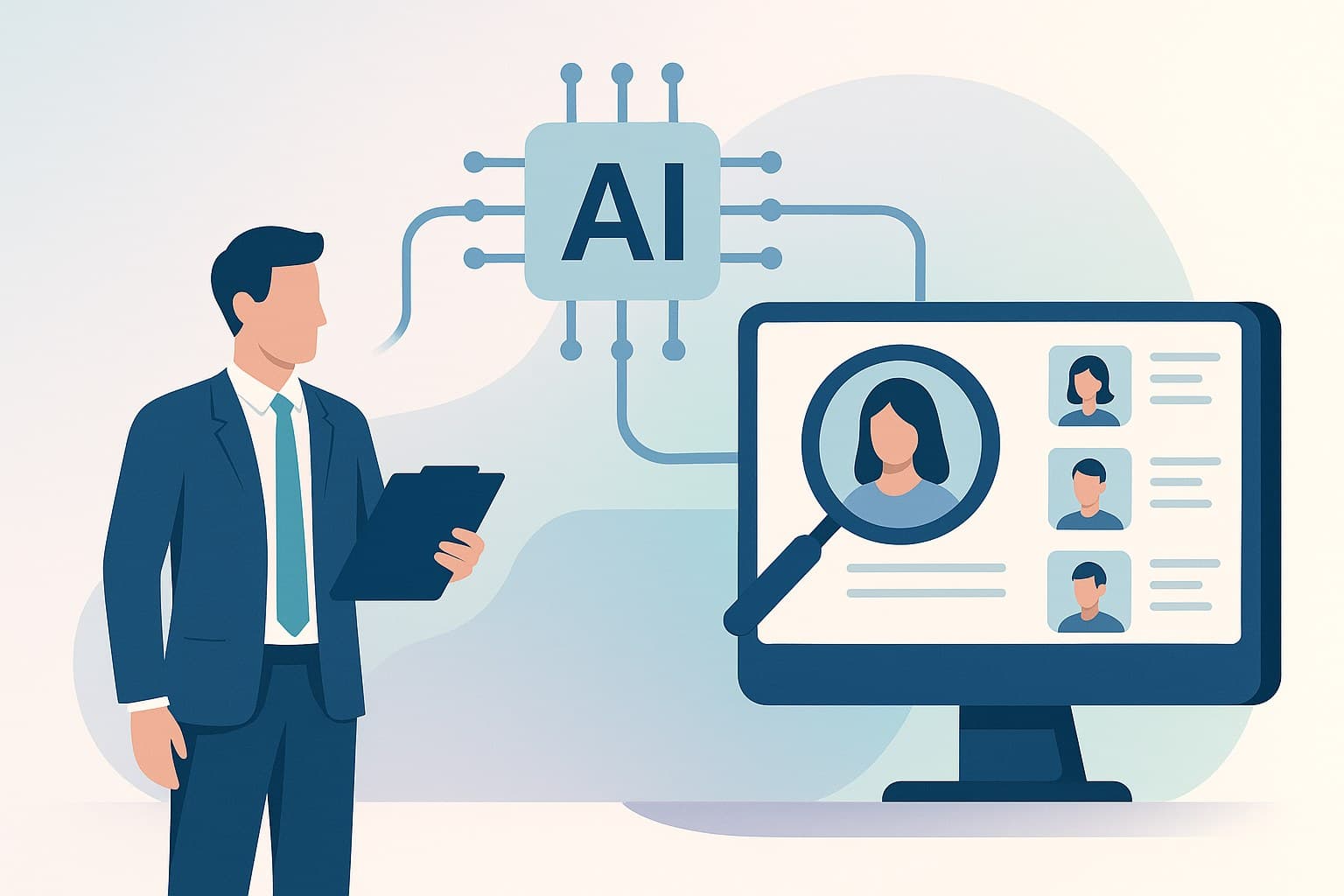
A/B Test AI Interview Prompts: Enhancing Candidate Selection with Data-Driven Insights
In the ever-evolving landscape of recruitment, organizations are increasingly leveraging artificial intelligence (AI) to streamline their hiring processes. One innovative approach that has garnered attention is A/B testing AI interview prompts. This method not only supports recruiters in identifying the most effective questions but also enhances the overall candidate experience. In this article, we will explore the concept of A/B testing AI interview prompts, its benefits, implementation strategies, and actionable insights for B2B companies.
Understanding A/B Testing in Recruitment
A/B testing, also known as split testing, is a research methodology where two versions of a variable are compared to determine which performs better. In recruitment, this involves testing different interview prompts to ascertain which set yields more effective candidate assessments. By applying A/B testing to AI-generated interview prompts, companies can refine their recruitment process through data-driven insights.
The Role of AI in Interviewing
AI in recruitment serves several functions, from screening resumes to conducting preliminary interviews. AI-powered interview platforms can generate prompts based on job requirements and candidate profiles. These prompts can vary in complexity, focusing on technical skills, cultural fit, or problem-solving abilities. A/B testing helps recruiters determine which prompts lead to more accurate assessments of a candidate's potential.
Benefits of A/B Testing AI Interview Prompts
1. Enhanced Candidate Experience
One of the primary benefits of A/B testing AI interview prompts is the improvement in candidate experience. By optimizing questions for clarity and relevance, companies ensure that candidates are assessed fairly and efficiently. This positive experience can enhance the company's employer brand and increase the likelihood of attracting top talent.
2. Increased Predictive Validity
A/B testing helps in identifying which prompts are more effective at predicting job performance. By analyzing candidate responses, companies can correlate specific prompts with successful hires. This increases the predictive validity of the interview process, leading to better hiring decisions.
3. Data-Driven Decision Making
Data is at the heart of A/B testing. Recruiters can leverage insights from testing to make informed decisions about which prompts to use. This data-driven approach reduces bias and subjectivity in the hiring process, promoting fairness and diversity.
4. Continuous Improvement
The recruitment landscape is dynamic, and candidate expectations evolve. A/B testing allows companies to continuously refine their interview prompts, ensuring they remain relevant and effective. This adaptability is crucial for staying competitive in the talent market.
Implementing A/B Testing for AI Interview Prompts
Step 1: Define Objectives
Before implementing A/B testing, it is essential to define clear objectives. What are you hoping to achieve? Are you looking to improve candidate satisfaction, increase predictive validity, or reduce interview time? Clear goals will guide the testing process and ensure meaningful outcomes.
Step 2: Develop Hypotheses
Develop hypotheses about how different prompts might impact candidate responses. For example, you might hypothesize that behavioral prompts will lead to more accurate assessments of soft skills compared to technical prompts. These hypotheses will form the basis of your A/B tests.
Step 3: Create Variations
Develop two sets of AI-generated interview prompts. These variations should differ in a specific aspect, such as question type, complexity, or focus area. Ensure that both sets align with the job requirements and company values.
Step 4: Conduct the Test
Assign candidates randomly to each set of prompts. This randomization ensures that results are not skewed by external factors. Collect data on candidate responses, interview duration, and recruiter feedback.
Step 5: Analyze Results
Analyze the data collected to determine which set of prompts performed better against your objectives. Use statistical tools to measure the significance of your findings. Look for patterns and insights that can inform future interviews.
Step 6: Iterate and Improve
Based on the analysis, refine your interview prompts and repeat the testing process. Continuous iteration is key to optimizing the effectiveness of AI interview prompts.
Realistic Data Points and Insights
Predictive Validity
According to a study by the Harvard Business Review, companies using structured interviews, including AI-generated prompts, see a 25% improvement in their ability to predict job performance compared to traditional unstructured interviews. A/B testing can further enhance this predictive capability by refining prompt selection.
Candidate Experience
A survey by LinkedIn found that 83% of candidates say a negative interview experience can change their mind about a role or company they once liked. A/B testing helps identify prompts that improve candidate satisfaction, reducing the risk of losing top candidates due to poor experiences.
Efficiency Gains
AI can reduce time-to-hire by up to 50%, according to a report by Ideal. By A/B testing interview prompts, companies can optimize this process, ensuring that interviews are not only faster but also more effective in identifying qualified candidates.
Actionable B2B Takeaways
1. Prioritize Data Collection
For B2B companies, collecting robust data is essential for successful A/B testing. Invest in tools and platforms that facilitate seamless data collection and analysis. This investment will pay off in the form of more efficient and effective hiring processes.
2. Focus on Candidate Feedback
Incorporate candidate feedback into your A/B testing framework. Understanding candidate perspectives on interview prompts can provide valuable insights into their effectiveness and areas for improvement.
3. Integrate with Existing HR Systems
Ensure that your A/B testing strategy integrates with existing HR systems and processes. This integration minimizes disruption and maximizes the utility of insights gained from testing.
4. Train Recruiters
Educate your recruitment team on the benefits and methods of A/B testing. A well-informed team is better equipped to design effective tests, interpret results, and implement changes.
5. Leverage AI Capabilities
Utilize the full range of AI capabilities in your recruitment process. AI can analyze vast amounts of data, providing insights that human recruiters might overlook. This capability is crucial for successful A/B testing.
Conclusion
A/B testing AI interview prompts is a powerful strategy for enhancing the recruitment process. By leveraging data-driven insights, companies can optimize candidate selection, improve the candidate experience, and make more informed hiring decisions. As the recruitment landscape continues to evolve, B2B companies that embrace A/B testing will be better positioned to attract and retain top talent. By prioritizing continuous improvement and integrating AI capabilities, organizations can ensure their recruitment processes remain competitive and effective in the modern business environment.
Frequently Asked Questions
Key questions often raised by business leaders and HR teams:
What is A/B testing in recruitment?
A/B testing in recruitment involves comparing two versions of interview prompts to determine which one yields better candidate assessments.
How does AI enhance the interview process?
AI enhances the interview process by generating tailored prompts based on job requirements and candidate profiles, streamlining evaluations.
What are the benefits of using A/B testing for interview prompts?
Benefits include improved candidate experience, increased predictive validity, data-driven decision making, and ongoing refinement of interview questions.
How can companies implement A/B testing for AI interview prompts?
Companies can implement A/B testing by defining objectives, developing hypotheses, creating prompt variations, conducting tests, analyzing results, and iterating based on findings.