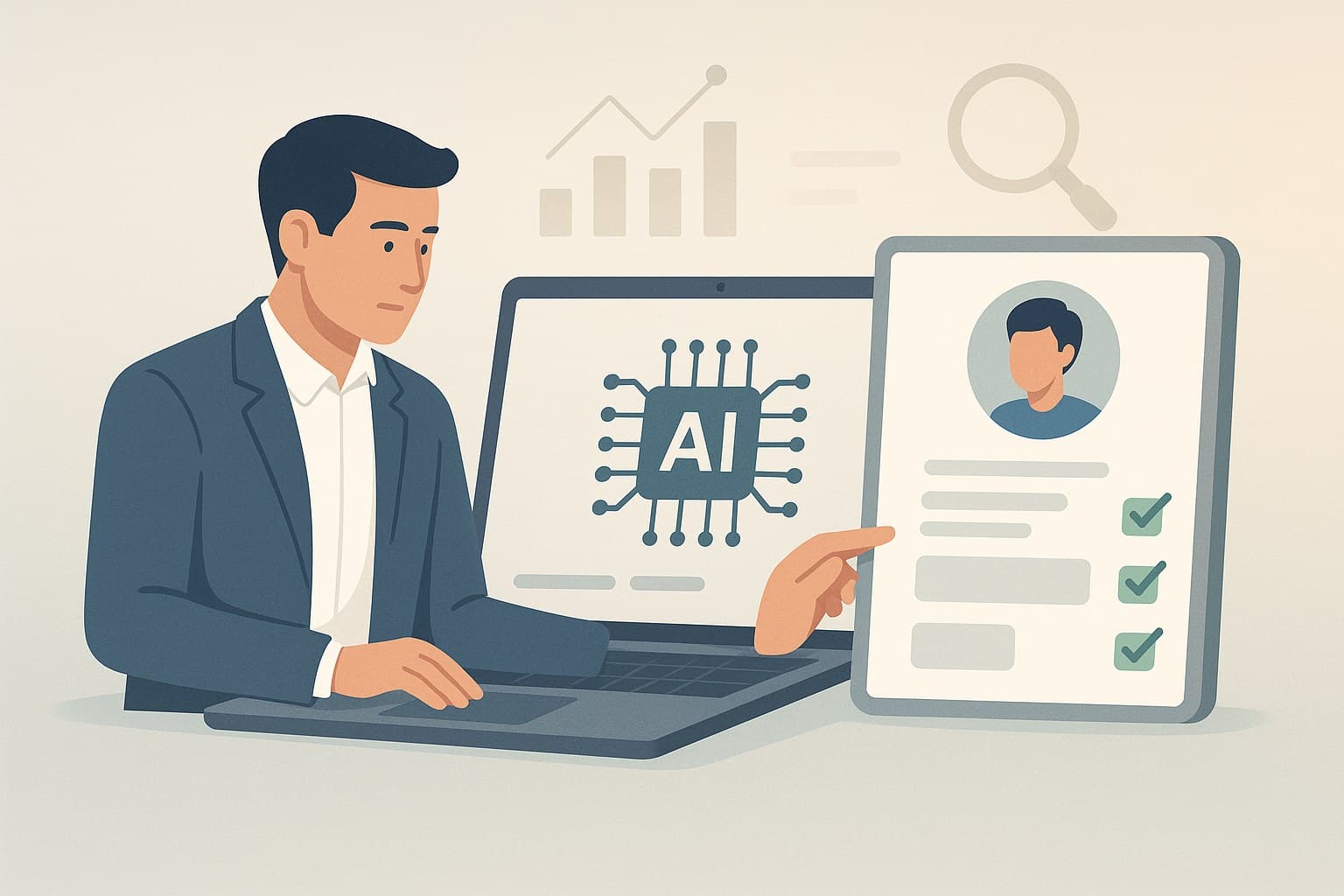
AI ATS Integration Best Practices
In today's fast-paced hiring landscape, the integration of Artificial Intelligence (AI) with Applicant Tracking Systems (ATS) has become a game-changer for organizations seeking to streamline their recruitment processes. As AI continues to evolve, businesses are increasingly leveraging this technology to enhance their ATS capabilities, improve candidate experiences, and make data-driven hiring decisions. This article explores the best practices for AI ATS integration, providing actionable insights for businesses aiming to optimize their recruitment strategies.
Understanding AI and ATS
Before diving into integration best practices, it's essential to comprehend the roles of AI and ATS in recruitment. An ATS is a software application that automates the recruitment process by managing job postings, resumes, and applicant data. AI, on the other hand, involves the use of intelligent algorithms to analyze data, predict outcomes, and automate decision-making processes.
When combined, AI and ATS create a powerful synergy that can significantly enhance recruitment efficiency and effectiveness. AI can help in parsing resumes, identifying top candidates, predicting hiring outcomes, and personalizing candidate experiences, while ATS ensures streamlined data management and process automation.
Benefits of AI ATS Integration
Integrating AI with ATS offers numerous benefits that can transform the recruitment process:
-
Enhanced Candidate Screening: AI algorithms can quickly analyze vast amounts of data to identify the best candidates based on predefined criteria, reducing the time recruiters spend on manual resume reviews.
-
Improved Diversity and Inclusion: AI can help eliminate unconscious bias in recruitment by focusing on data-driven criteria rather than subjective judgment, promoting a more diverse and inclusive workforce.
-
Predictive Analytics: AI-powered predictive analytics can provide insights into candidate success rates and employee retention, enabling data-driven hiring decisions.
-
Automated Communication: AI can automate candidate communication through chatbots, ensuring timely and consistent interactions and improving the overall candidate experience.
-
Cost Savings: By streamlining recruitment processes and reducing time-to-hire, AI ATS integration can lead to significant cost savings for businesses.
Best Practices for AI ATS Integration
Successfully integrating AI with ATS requires careful planning and execution. Here are some best practices to consider:
1. Define Clear Objectives
Before implementing AI in your ATS, it's crucial to define clear objectives. Identify the specific problems you aim to solve with AI, such as reducing time-to-hire, improving candidate quality, or enhancing diversity. Setting clear goals will guide the integration process and help measure its success.
2. Choose the Right AI Tools
Not all AI tools are created equal, and selecting the right ones is vital for successful integration. Evaluate AI solutions based on their capabilities, compatibility with your existing ATS, and user-friendliness. Look for tools that offer features like resume parsing, candidate scoring, and predictive analytics.
3. Ensure Data Quality and Security
AI relies heavily on data to function effectively. Therefore, maintaining high-quality and secure data is paramount. Ensure that your ATS data is accurate, up-to-date, and free from biases. Implement robust data security measures to protect sensitive candidate information from breaches.
4. Train Your Recruitment Team
Integrating AI with ATS is not just a technological upgrade; it requires a cultural shift within your recruitment team. Provide comprehensive training to recruiters on how to use AI tools effectively. Emphasize the importance of using AI as a complement to human judgment, rather than a replacement.
5. Monitor and Optimize Performance
AI ATS integration is an ongoing process that requires continuous monitoring and optimization. Regularly evaluate the performance of AI tools against your defined objectives. Use analytics to identify areas for improvement and make necessary adjustments to enhance effectiveness.
6. Foster Collaboration Between IT and HR
Successful AI ATS integration requires collaboration between IT and HR departments. Foster open communication and collaboration between these teams to ensure that technical and recruitment needs are aligned. This collaboration will facilitate smoother integration and troubleshooting processes.
Realistic Data Points and Insights
The impact of AI ATS integration can be illustrated through several data points and industry insights:
-
According to a report by Deloitte, companies that effectively use AI in recruitment can reduce their time-to-hire by up to 40% and lower recruitment costs by up to 30%.
-
A study by McKinsey & Company found that organizations leveraging AI for talent acquisition see a 25% increase in the accuracy of candidate selection and a 20% improvement in employee retention rates.
-
Research by Harvard Business Review highlights that companies using AI in recruitment experience a 19% increase in workforce diversity, as AI helps remove biases from the selection process.
These data points underscore the significant benefits that AI ATS integration can bring to organizations, from cost savings to enhanced diversity and improved decision-making.
Actionable B2B Takeaways
For businesses looking to integrate AI with their ATS, here are some actionable takeaways to consider:
-
Start Small and Scale: Begin with a pilot project to test AI's effectiveness in a specific area of recruitment, such as resume screening. Gradually scale up the integration based on the results and feedback from recruiters.
-
Maintain Human Oversight: While AI can automate many recruitment tasks, human oversight remains essential. Ensure that recruiters have the final say in hiring decisions and use AI as a tool to enhance, not replace, their expertise.
-
Continuously Update AI Models: AI models need to be continuously updated and trained with new data to remain effective. Regularly review and update your AI tools to ensure they align with changing recruitment trends and company needs.
-
Focus on Candidate Experience: Use AI to enhance, rather than detract from, the candidate experience. Ensure that AI-driven interactions are personalized and engaging, and provide candidates with timely feedback throughout the recruitment process.
-
Measure ROI: Track key performance indicators (KPIs) to measure the return on investment (ROI) of AI ATS integration. Analyze metrics such as time-to-hire, cost-per-hire, and candidate satisfaction to assess the effectiveness of your integration efforts.
Conclusion
AI ATS integration represents a significant opportunity for businesses to enhance their recruitment processes, improve candidate experiences, and make data-driven hiring decisions. By following the best practices outlined in this article, organizations can successfully integrate AI with their ATS, unlocking the full potential of this powerful technology. As the recruitment landscape continues to evolve, businesses that embrace AI ATS integration will be better positioned to attract and retain top talent in an increasingly competitive market.
Frequently Asked Questions
Key questions often raised by business leaders and HR teams:
What is AI ATS integration?
AI ATS integration involves combining artificial intelligence with applicant tracking systems to streamline recruitment processes and improve decision-making.
What are the benefits of integrating AI with ATS?
The benefits include enhanced candidate screening, improved diversity and inclusion, predictive analytics, automated communication, and cost savings.
How can companies ensure data quality in AI ATS integration?
Companies should maintain accurate, up-to-date data and implement robust security measures to protect sensitive information.
Why is training important for recruitment teams during AI ATS integration?
Training helps recruitment teams effectively use AI tools and emphasizes the importance of human oversight in the hiring process.
What should companies consider before implementing AI in their ATS?
Companies should define clear objectives, choose the right AI tools, and foster collaboration between IT and HR departments.