
Audit Evidence AI Interviews: How AI is Making Audits Defensible
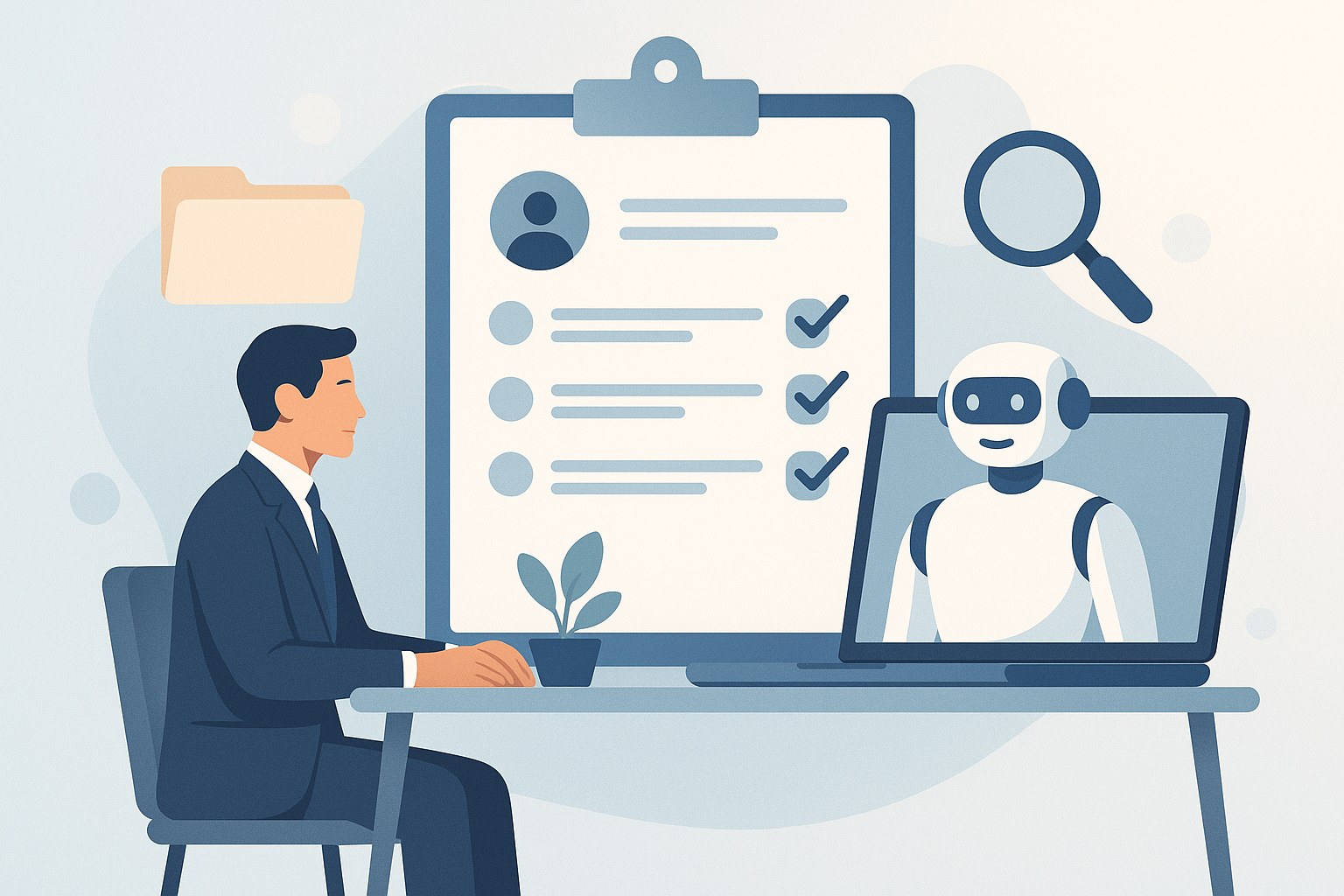
As technology continues to advance, it has become increasingly integrated into various industries and processes. One area where technology has shown significant potential is in the field of auditing. With the rise of artificial intelligence (AI), the auditing process has become more efficient, accurate, and defensible. In this article, we will explore how AI is transforming the audit evidence gathering process and making it more defensible.
The Role of AI in Audit Evidence Gathering
Traditionally, the audit process involves a significant amount of manual work, which is prone to human error. However, with the advancements in AI, auditors can now rely on intelligent machines to assist in gathering audit evidence. AI models can analyze large volumes of data and identify trends, patterns, and anomalies that may not be easily detectable by humans. This not only saves time but also ensures a more thorough analysis of the evidence.
Furthermore, AI models can be trained to identify whether the described evidence aligns with documented standards. This means that the accuracy and consistency of audit evidence can be evaluated by AI, making it more defensible. However, it is essential to note that while AI can assist in evaluating the sufficiency of audit evidence, it cannot replace human judgement entirely.
Defining Audit Evidence
Before delving into the role of AI in audit evidence, it is crucial to understand what constitutes audit evidence. According to the International Auditing and Assurance Standards Board (IAASB), audit evidence is "information used by the auditor in arriving at the conclusions on which the auditor's opinion is based." In simpler terms, it is the data or information that auditors gather to support their findings and opinions.
Audit evidence can come in various forms, such as documents, records, physical observations, and electronic data. The quality and sufficiency of the evidence are essential in the audit process as it helps auditors form their opinions and conclusions.
The Lifecycle of Audit Evidence
To understand how AI is making audit evidence more defensible, it is essential to examine the lifecycle of audit evidence. The lifecycle of audit evidence consists of four stages: preservation, collection, evaluation, and documentation.
Preservation
The preservation stage involves identifying and retaining the evidence that is relevant to the audit. As the amount of data generated by organizations continues to grow, it has become increasingly challenging to preserve all the evidence manually. This is where AI comes in. AI models can quickly scan through vast amounts of data and identify evidence that is relevant to the audit, ensuring that no valuable information is overlooked.
Collection
After preservation, the next stage is the collection of evidence. This is where AI can significantly speed up the process. With the help of AI, auditors can automate the collection of evidence, saving time and reducing the risk of human error. AI models can also analyze the collected data to identify any gaps or inconsistencies, ensuring that all relevant evidence is collected.
Evaluation
The evaluation stage involves analyzing the collected evidence to determine its quality and sufficiency. AI can assist in this stage by comparing the evidence to documented standards and identifying any discrepancies. This not only saves time but also ensures a more thorough evaluation of the evidence.
Documentation
The final stage of the lifecycle is documentation. AI can help auditors in this stage by automatically generating reports based on the evaluated evidence. These reports can include visual representations of the data, making it easier for stakeholders to understand the findings and conclusions.
AI and Audit Evidence Defensibility
One of the significant concerns in the audit industry is the defensibility of audit evidence. In other words, whether the evidence gathered is reliable, accurate, and sufficient. With the help of AI, auditors can now have more confidence in the defensibility of their audit evidence. AI models can analyze the evidence based on predefined criteria, ensuring that it meets the required standards. This can significantly reduce the risk of errors and inconsistencies in the audit process.
Moreover, AI can also assist in ensuring that the evidence gathered is unbiased. The training data used to develop AI models can be carefully selected to avoid any biases that may impact the audit process. This can help auditors prove the fairness of their audit decisions, making the evidence more defensible.
MIND Interview: The Enterprise-Grade AI Recruitment Platform
One product that is leading the way in using AI to make audits defensible is MIND Interview. MIND Interview is an enterprise-grade AI recruitment platform that uses AI resume analysis and structured asynchronous AI video interviews to improve the hiring process. This platform, developed by 強捷科技, targets enterprise HR and talent acquisition teams, hiring managers, and headhunters at mid-to-large companies.
MIND Interview's key features include AI resume analysis, 24/7 asynchronous AI video interviews, visualized candidate reports, one-click report translation, and a hiring workspace. These features not only save time and effort for HR professionals but also ensure that the hiring process is fair and unbiased.
With MIND Interview, first-round resume screening can be shortened from three months to two weeks, reducing screening time by up to 85%. The platform also offers multilingual and global-ready features, allowing candidates to interview in any language and reports to be translated in one click. MIND Interview's AI Verify validation also ensures that the platform is bias-tested and auditable, making it a reliable tool for auditors to use in the evidence gathering process.
Conclusion
AI has the potential to transform the audit evidence gathering process, making it more efficient, accurate, and defensible. By automating various stages of the lifecycle of audit evidence, AI can save time, reduce human error, and ensure a more thorough analysis. Products like MIND Interview are leading the way in using AI to improve the hiring process and make it more transparent and fair. As technology continues to advance, it is essential for auditors to embrace AI and leverage its capabilities to ensure the defensibility of audit evidence.
Frequently Asked Questions
Key questions often raised by business leaders and HR teams:
What is audit evidence?
Audit evidence refers to the information used by auditors to support their conclusions and opinions. It includes various forms of data such as documents, records, and electronic data.
How does AI improve the audit process?
AI enhances the audit process by automating evidence gathering, analyzing large data sets for trends, and ensuring compliance with documented standards, thus reducing human error.
What are the stages of the audit evidence lifecycle?
The lifecycle of audit evidence includes four stages: preservation, collection, evaluation, and documentation, each crucial for ensuring the quality of the audit.
Can AI completely replace human auditors?
No, while AI can assist in various tasks, human judgment is still essential in the audit process to ensure accuracy and compliance.