Validating AI Big Five Against Performance Protocol: A Comprehensive Guide
In the rapidly evolving landscape of recruitment, leveraging artificial intelligence (AI) has become a game-changer for businesses. From automating tedious tasks to enhancing decision-making processes, AI reshapes how companies identify and hire top talent. One promising approach involves using AI to assess candidates' Big Five personality traits and validate these against performance protocols to predict job success.
While this may sound complex, this article will break down the concept into digestible segments, offering insights, real data points, and actionable takeaways for businesses aiming to optimize their recruitment processes.
Understanding the Big Five Personality Traits
The Big Five personality traits—Openness, Conscientiousness, Extraversion, Agreeableness, and Neuroticism—provide a comprehensive framework for understanding human personality. These traits help predict various life outcomes, including job performance, making them a valuable tool in recruitment.
Openness
This trait measures an individual's openness to new experiences and ideas. High openness is often linked to creativity and problem-solving skills.
Conscientiousness
Conscientious individuals are typically organized and reliable. This trait is strongly correlated with job performance across various sectors, as conscientious employees are often dependable and efficient.
Extraversion
Extraverts are characterized by their sociability and assertiveness. This trait can be particularly beneficial in roles requiring teamwork and leadership.
Agreeableness
Agreeableness reflects an individual's tendency towards cooperation and social harmony. High levels of agreeableness can be advantageous in team-oriented roles.
Neuroticism
Neuroticism measures emotional stability. Lower levels are generally preferable in a work environment, as they indicate a stable and calm demeanor.
Linking Big Five Traits to Job Performance
The Big Five traits offer valuable insights into potential job performance. Research consistently shows that conscientiousness is the most significant predictor of job performance across various roles and industries. A meta-analysis by Barrick and Mount (1991) found that conscientiousness had a correlation coefficient of 0.22 with job performance, making it the most reliable predictor among the Big Five.
Moreover, the relationship between other traits and job performance varies depending on the job context. For example, extraversion is particularly relevant in sales and managerial positions, whereas openness is beneficial in roles requiring creativity and innovation.
The Role of AI in Assessing Big Five Traits
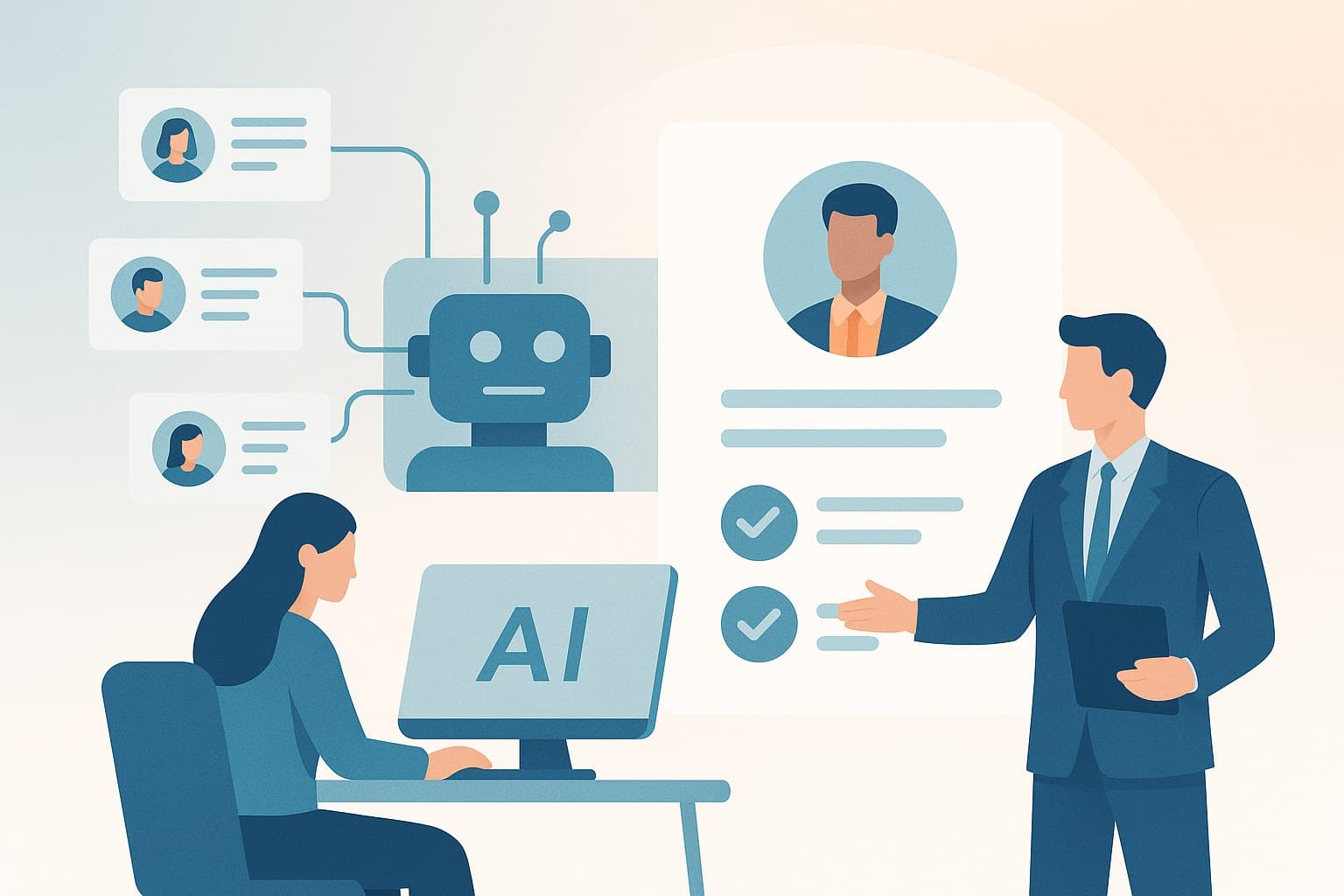
AI has revolutionized traditional recruitment methods by introducing efficiency and consistency. AI systems can analyze a vast amount of candidate data, including resumes and interview responses, to infer Big Five traits accurately.
AI-Powered Resume Analysis
AI platforms like MIND Interview offer advanced resume analysis capabilities. By parsing skills, matching job descriptions, and flagging potential risks, AI can create a shortlist of candidates who not only meet the technical requirements but also possess desirable personality traits.
Asynchronous AI Video Interviews
MIND Interview also facilitates asynchronous AI video interviews, where candidates are scored on expression, tone, logic, and structure. This approach provides a more nuanced understanding of a candidate's personality, allowing companies to make more informed hiring decisions.
Validating AI Assessments Against Performance Protocols
The true test of any AI assessment tool lies in its ability to predict actual job performance. By validating AI-derived Big Five assessments against established performance protocols, companies can ensure the reliability and fairness of their hiring processes.
Establishing Performance Protocols
Performance protocols vary by industry but generally include metrics such as productivity, quality of work, teamwork, and leadership potential. By comparing AI-generated personality assessments with these metrics, companies can determine the predictive validity of AI tools.
Ensuring Fairness and Compliance
One significant concern with AI in recruitment is bias. MIND Interview addresses this by being AI Verify validated, bias-tested, and auditable, ensuring that hiring decisions are not only data-driven but also equitable. This compliance is crucial for maintaining a fair hiring process and upholding the company's reputation.
Actionable B2B Takeaways
For businesses looking to integrate AI into their recruitment strategies, here are some actionable takeaways:
-
Invest in Reliable AI Tools: Choose platforms like MIND Interview that offer comprehensive features, from resume analysis to video interviews, ensuring a holistic assessment of candidates.
-
Customize Performance Protocols: Tailor performance metrics to align with your company's specific needs and industry standards. This customization will improve the accuracy of AI assessments.
-
Regularly Validate AI Assessments: Continuously compare AI-generated personality assessments with actual job performance to refine and improve your hiring process.
-
Prioritize Bias Testing: Ensure that your AI tools are regularly tested for bias to maintain fairness and compliance in your recruitment processes.
-
Leverage Multilingual Capabilities: For companies with global operations, using AI tools with multilingual support, like MIND Interview, can streamline international hiring processes and enhance communication.
Conclusion
The integration of AI in recruitment, particularly in assessing the Big Five personality traits, offers significant advantages for businesses. By leveraging AI tools like MIND Interview, companies can enhance the efficiency and accuracy of their hiring processes, ultimately leading to better job performance and a more cohesive workforce.
For enterprise HR teams and hiring managers looking to revolutionize their recruitment strategies with cutting-edge technology, MIND Interview offers a comprehensive solution. Discover how it can transform your hiring process by visiting MIND Interview.
Frequently Asked Questions
Key questions often raised by business leaders and HR teams:
What are the Big Five personality traits?
The Big Five personality traits include Openness, Conscientiousness, Extraversion, Agreeableness, and Neuroticism, which help predict job performance.
How does AI assess personality traits?
AI analyzes candidate data through resume parsing and video interviews, accurately inferring personality traits to enhance hiring decisions.
Why is validating AI assessments important?
Validating AI assessments against performance protocols ensures the reliability and fairness of hiring processes, helping companies make informed decisions.
What is MIND Interview?
MIND Interview is an AI-powered platform that offers resume analysis and asynchronous video interviews to assess candidates effectively.
How can companies ensure fairness in AI recruitment?
Companies can ensure fairness by using AI tools that are bias-tested and regularly validated to maintain equitable hiring practices.