Title: Leveraging AI for College Admissions Interview Practice: A New Frontier Without Cheating
In today's rapidly evolving educational landscape, the integration of artificial intelligence (AI) in various aspects of learning and assessment is becoming increasingly prevalent. As college admissions processes grow more competitive, students are seeking innovative methods to prepare for interviews, one of the most pivotal components of their applications. For corporate decision-makers and HR managers, understanding how AI can facilitate this preparation without compromising integrity is crucial. This article explores how AI-driven interview practice can be a game-changer for college admissions while ensuring fairness and authenticity.
The Changing Landscape of College Admissions
College admissions have traditionally relied on metrics such as standardized test scores, GPAs, and extracurricular achievements. However, interviews provide a crucial opportunity for applicants to showcase their personalities, communication skills, and fit for the institution. As these interviews hold significant weight, students are eager to hone their interview skills through practice. Enter AI, a tool that is revolutionizing the way students prepare for these high-stakes interactions.
AI in Interview Preparation: A Double-Edged Sword?
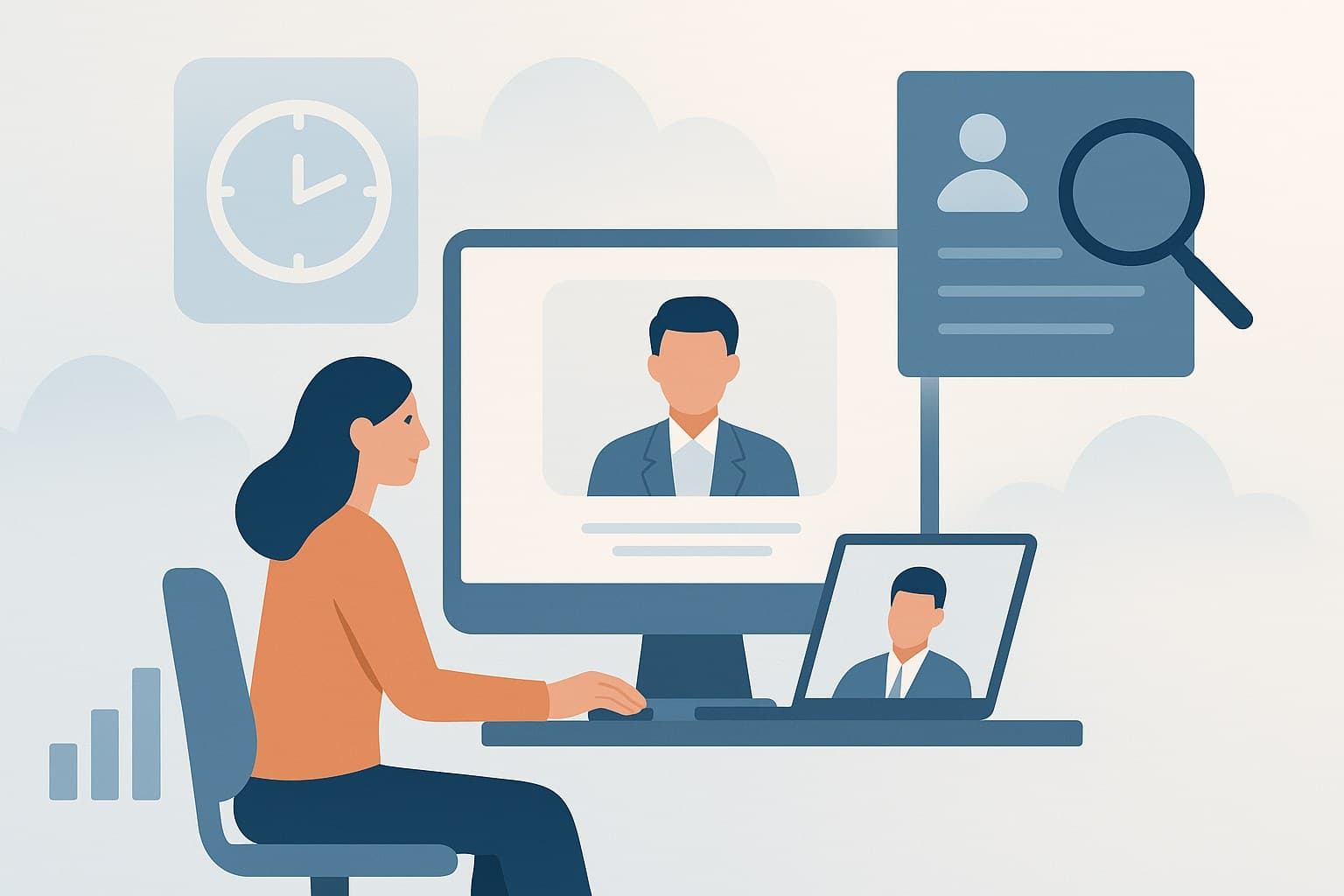
AI-powered platforms offer a myriad of benefits for interview practice. They provide personalized feedback, simulate real-world interview scenarios, and allow students to refine their responses through repeated trials. However, there is a concern that such technology might encourage cheating by providing scripted answers or unfair advantages.
To address these concerns, it is vital to design AI systems that enhance learning rather than undermine the integrity of the admissions process. This involves creating platforms that focus on skill development, critical thinking, and authentic communication rather than rote memorization or deception.
Ensuring Fairness and Authenticity
-
Transparency and Ethical AI Design: Developers must prioritize transparency in AI algorithms, ensuring that the systems are designed ethically with a focus on educational enhancement rather than gaming the system. Clear guidelines and ethical considerations should govern the development and deployment of these tools to prevent misuse.
-
Skill Development Over Answer Provision: AI platforms should emphasize coaching students on soft skills such as confidence, articulation, and empathy rather than providing canned answers. By focusing on these areas, students can genuinely improve their interview performance without resorting to dishonest practices.
-
Feedback Mechanisms: Effective AI systems should incorporate robust feedback mechanisms that guide students in understanding their strengths and areas for improvement. This feedback should be constructive, encouraging iterative learning and genuine self-improvement.
-
Personalization and Adaptation: AI systems can be tailored to individual learning needs, offering personalized practice sessions that adapt to the user's progress. This ensures that each student receives a customized experience that fosters growth without promoting unfair advantages.
-
Collaboration with Educators: AI developers should work closely with educators to create content and scenarios that align with educational goals. This collaboration ensures that the technology supports the broader objectives of learning and development rather than merely serving as a shortcut to success.
The Role of Corporate Decision-Makers and HR Managers
Corporate decision-makers and HR managers play a critical role in shaping the ethical use of AI in education. Their insights into talent acquisition and development can inform the creation of AI systems that prioritize ethical considerations and skill development.
-
Advocating for Ethical AI Policies: By advocating for policies that emphasize ethical AI usage, corporate leaders can help set standards that ensure fairness and integrity in educational applications. This includes supporting initiatives that promote transparency and accountability in AI systems.
-
Investing in Skill Development: Companies can invest in AI platforms that focus on developing soft skills, which are increasingly valued in the workplace. By supporting educational initiatives that prioritize these skills, businesses can contribute to a more skilled and adaptable future workforce.
-
Collaborating with Educational Institutions: HR managers can collaborate with educational institutions to provide insights into the skills and competencies that are most in demand. This collaboration can inform the design of AI systems that better prepare students for both academic and professional success.
Conclusion: A Balanced Approach to AI in Admissions
As AI continues to transform the educational landscape, it is essential to strike a balance between leveraging technology for preparation and maintaining the integrity of the admissions process. By focusing on skill development, ethical design, and collaboration, AI can become a valuable tool for students preparing for college admissions interviews without compromising fairness.
Corporate decision-makers and HR managers have a vested interest in ensuring that AI is used responsibly in education. By advocating for ethical practices and supporting initiatives that prioritize genuine learning, they can help shape a future where AI enhances educational outcomes and prepares students for the challenges of tomorrow's world.
In conclusion, AI-driven interview practice holds significant potential to revolutionize college admissions. By prioritizing ethical considerations and focusing on skill development, we can harness this technology to empower students, foster fairness, and build a more equitable educational landscape.
Frequently Asked Questions
Key questions often raised by business leaders and HR teams:
How can AI improve college admissions interview preparation?
AI can provide personalized feedback, simulate interview scenarios, and help students refine their responses through practice.
What are the ethical concerns surrounding AI in interview preparation?
Concerns include the potential for cheating and the need for AI systems to focus on skill development rather than providing scripted answers.
How can corporate leaders influence the ethical use of AI in education?
Corporate leaders can advocate for ethical AI policies and collaborate with educational institutions to ensure AI systems prioritize genuine learning.
What skills should AI platforms focus on for interview preparation?
AI platforms should emphasize soft skills such as confidence, articulation, and empathy to enhance students' interview performance.
Why is collaboration with educators important in AI development?
Collaboration ensures that AI tools align with educational goals and support effective learning and skill development.