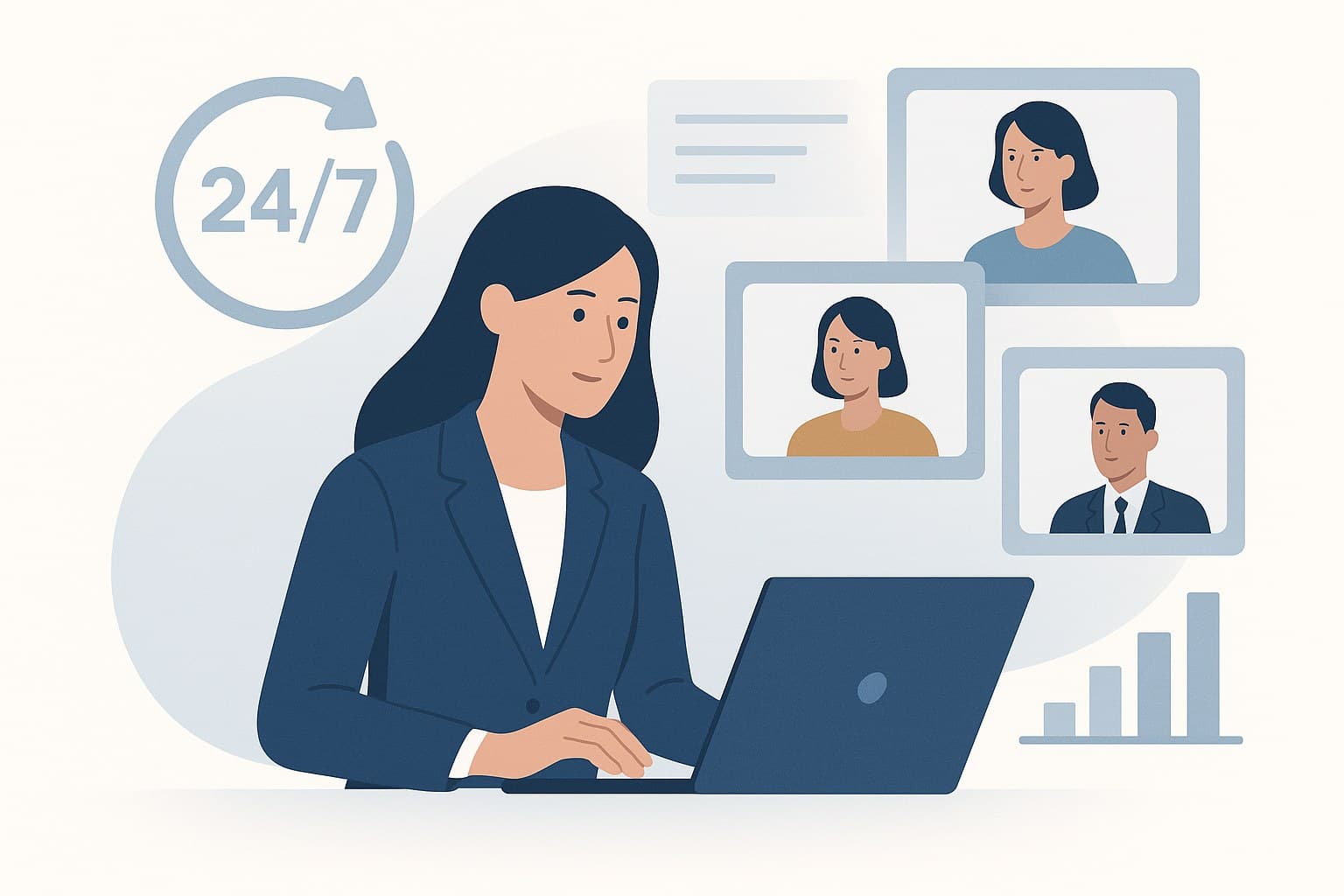
Leveraging AI for Credential Verification in Healthcare: A Strategic Approach for Decision Makers and HR Leaders
In the rapidly evolving landscape of healthcare, ensuring that professionals are adequately qualified and credentialed is paramount to maintaining patient safety and organizational integrity. With the increasing demand for healthcare services and the corresponding influx of professionals entering the field, the process of credential verification has become more complex and time-consuming. For decision makers and HR leaders, integrating Artificial Intelligence (AI) into the credential verification process presents a transformative opportunity to streamline operations, enhance accuracy, and ensure compliance.
Understanding the Challenges in Credential Verification
Credential verification in healthcare involves confirming that a healthcare professional’s qualifications, such as education, licenses, certifications, and work history, are valid and up-to-date. Traditional methods of verification are often manual, involving extensive paperwork, phone calls, and time-consuming checks with educational institutions and licensing boards. This not only delays the onboarding process but also leaves room for human error and potential lapses in verification, which can compromise patient safety and increase liability risks.
The complexity of credential verification is further exacerbated by the diversity of credentials required across different roles and the frequent updates needed to maintain compliance with changing regulations. For HR leaders, managing this process efficiently while ensuring that no detail is overlooked is a significant challenge.
AI as a Solution for Credential Verification
AI technologies offer a promising solution by automating and enhancing the credential verification process. Here are several ways AI can be leveraged to address the challenges faced by HR leaders in healthcare:
-
Automated Data Collection and Verification: AI systems can quickly gather data from various sources, such as educational institutions, licensing boards, and professional organizations. By automating these processes, AI reduces the time and effort required to verify credentials manually. Natural language processing (NLP) and machine learning algorithms can analyze and cross-reference data to ensure accuracy and flag discrepancies for further review.
-
Continuous Monitoring and Alerts: AI can facilitate continuous monitoring of healthcare professionals’ credentials. By automatically checking for changes or expirations in licenses and certifications, AI systems can send alerts to HR departments, ensuring that all credentials remain current. This proactive approach helps prevent lapses in compliance and mitigates risks associated with unqualified staff.
-
Enhanced Accuracy and Reduced Errors: The use of AI minimizes human error in data entry and analysis. Machine learning algorithms can detect patterns and anomalies that may be overlooked by manual reviews, ensuring a higher level of accuracy in credential verification. This precision is crucial in maintaining the trust and safety of both patients and healthcare organizations.
-
Scalability and Efficiency: AI systems can handle large volumes of data and processes simultaneously, making them ideal for organizations with a high turnover of staff or those expanding rapidly. This scalability ensures that HR departments can manage credential verification efficiently, even during peak hiring periods or expansion phases.
-
Integration with Existing HR Systems: AI solutions can be integrated with existing HR management systems, providing a seamless workflow from recruitment to onboarding. This integration simplifies the management of credentials and ensures that all relevant information is accessible in one centralized platform.
Strategic Implementation for Decision Makers and HR Leaders
For decision makers and HR leaders considering the adoption of AI for credential verification, strategic implementation is key. Here are some steps to guide the process:
-
Assess Organizational Needs and Goals: Before implementing AI, organizations should conduct a thorough assessment of their current credential verification processes and identify areas that require improvement. Understanding specific needs and setting clear goals will guide the selection and customization of AI solutions.
-
Select the Right AI Solution: With various AI technologies available, it’s crucial to choose a solution that aligns with organizational goals and integrates seamlessly with existing systems. Decision makers should evaluate potential vendors based on their expertise in healthcare credentialing, data security measures, and customer support services.
-
Engage Stakeholders and Provide Training: Successful implementation requires buy-in from all stakeholders, including HR teams, IT departments, and executive leadership. Providing comprehensive training on the new AI system ensures that staff are comfortable and proficient in its use, maximizing the benefits of the technology.
-
Monitor and Evaluate Performance: Continuous monitoring and evaluation of the AI system’s performance are essential to ensure it meets organizational goals. Regular reviews and updates will help address any issues and optimize the system for improved efficiency and accuracy.
-
Ensure Compliance and Data Security: As with any technology handling sensitive information, data security and compliance with regulations such as HIPAA are paramount. Organizations should work closely with AI vendors to ensure that robust security measures are in place to protect credential data.
Conclusion
The integration of AI into credential verification processes represents a significant advancement for the healthcare industry. By automating and enhancing the accuracy of credential checks, AI not only streamlines HR operations but also reinforces the foundation of trust and safety upon which healthcare is built. For decision makers and HR leaders, embracing AI technology is not just an operational enhancement but a strategic imperative in a highly competitive and regulated environment. As the healthcare sector continues to evolve, those who leverage AI effectively will be better positioned to meet the demands of the future, ensuring that only the most qualified professionals are entrusted with patient care.
Frequently Asked Questions
Key questions often raised by business leaders and HR teams:
What are the benefits of using AI for credential verification?
AI automates data collection, enhances accuracy, and reduces human error, making the credential verification process more efficient.
How does AI ensure compliance in credential verification?
AI continuously monitors credentials for changes or expirations, sending alerts to HR departments to maintain compliance.
What should organizations consider before implementing AI solutions?
Organizations should assess their current processes, define goals, and choose an AI solution that integrates well with existing systems.
How can AI improve the onboarding process for healthcare professionals?
By automating credential checks, AI speeds up the onboarding process, allowing healthcare organizations to hire qualified professionals more quickly.
Is data security a concern when using AI for credential verification?
Yes, organizations must ensure that AI vendors implement robust security measures to protect sensitive credential data and comply with regulations.