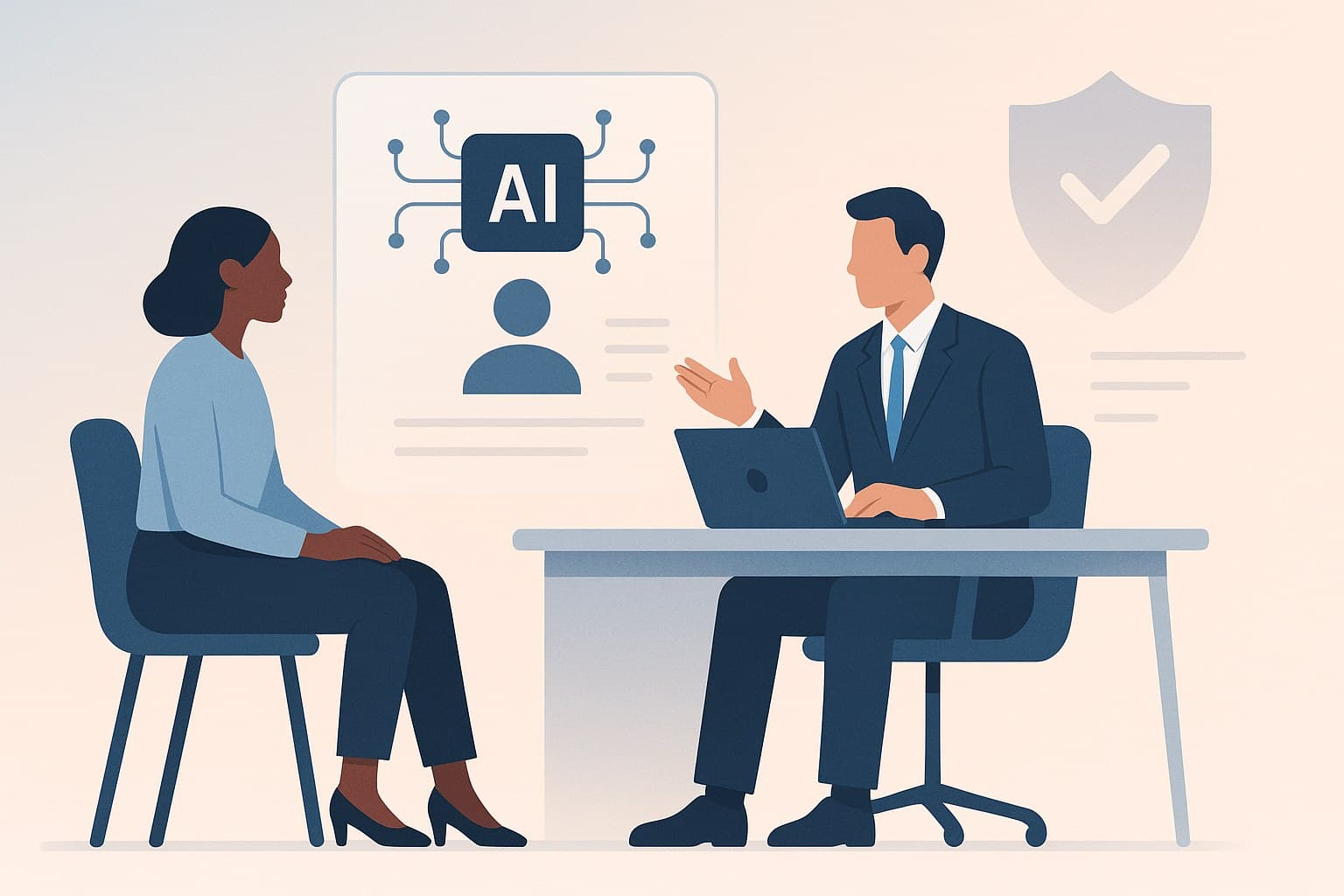
Leveraging AI-Driven Interviews in Healthcare: A Game Changer for HR Decision-Makers
In the rapidly evolving landscape of healthcare, the integration of artificial intelligence (AI) into various operational facets has been transformative. Among these innovations, AI-driven interviews have emerged as a powerful tool for enhancing the recruitment and evaluation of healthcare clinicians. For decision-makers and HR leaders, understanding how AI can be utilized in clinical scenario probes is crucial in harnessing its full potential to optimize talent acquisition and management processes.
The Changing Dynamics of Healthcare Recruitment
The healthcare sector is characterized by its demand for highly specialized skills, empathy, and the ability to operate under pressure. Traditional recruitment methods, while effective to an extent, often fall short in assessing a candidate's real-time decision-making abilities and emotional intelligence—qualities that are paramount in clinical settings. As healthcare systems worldwide grapple with shortages of skilled clinicians, the need for more sophisticated recruitment tools becomes imperative.
AI-Driven Interviews: An Overview
AI-driven interviews are designed to streamline the recruitment process by using advanced algorithms and machine learning techniques to assess candidates. These interviews often include clinical scenario probes, which simulate real-life medical situations that a clinician might encounter. By presenting candidates with these scenarios, AI can evaluate their clinical knowledge, problem-solving skills, and emotional responses.
The AI systems analyze verbal and non-verbal cues, providing a comprehensive assessment that goes beyond what traditional interviews can offer. This not only speeds up the recruitment process but also ensures a more accurate match between the candidate and the job requirements.
Benefits of AI in Clinical Scenario Probes
-
Scalability: AI-driven interviews can handle large volumes of candidates simultaneously, making them ideal for organizations looking to scale. This is especially useful during peak hiring seasons or when opening new facilities.
-
Consistent Feedback: AI provides consistent feedback that can be used to improve future recruitment strategies. By analyzing patterns and outcomes, HR teams can refine their approach to attract and retain top talent.
-
Enhanced Candidate Experience: Candidates often find AI-driven interviews to be more engaging and less intimidating than traditional interviews. The use of technology can also signal to candidates that the organization is forward-thinking and innovative.
Implementing AI in Healthcare Recruitment: A Strategic Approach
For HR leaders, integrating AI into the recruitment process requires a strategic approach. Here are key considerations:
-
Define Objectives: Clearly outline what you hope to achieve with AI-driven interviews. Whether it’s reducing time-to-hire, improving candidate quality, or enhancing diversity, having clear goals will guide the implementation process.
-
Choose the Right Technology: Not all AI systems are created equal. Select a platform that is specifically designed for healthcare recruitment and can seamlessly integrate with your existing HR systems.
-
Train Your Team: Ensure that your HR team is well-equipped to work alongside AI. This includes understanding how to interpret AI-generated insights and how to use them in decision-making processes.
-
Maintain Human Touch: While AI offers numerous advantages, it’s important to maintain a balance between technology and human interaction. Final hiring decisions should always consider the human elements that AI might overlook.
-
Ethical Considerations: Be mindful of the ethical implications of using AI. Ensure that your AI systems comply with all relevant regulations and that data privacy is upheld.
Case Study: Successful Implementation in a Healthcare Setting
The AI system presented candidates with a series of emergency scenarios, analyzing their responses to assess their ability to remain calm under pressure and make quick, effective decisions. The HR team reported that the quality of hires improved significantly, with new staff members demonstrating higher levels of performance and patient satisfaction.
Conclusion
For HR decision-makers in healthcare, AI-driven interviews represent a significant advancement in recruitment technology. By effectively implementing AI in clinical scenario probes, organizations can not only streamline their hiring processes but also ensure they are equipped with the best talent to meet the demands of a challenging and dynamic industry. As AI technology continues to evolve, its role in healthcare recruitment is set to become increasingly pivotal, offering new opportunities for innovation and excellence in clinician selection. Embracing this technology now will position healthcare organizations at the forefront of modern recruitment practices, ultimately leading to better patient outcomes and organizational success.
Frequently Asked Questions
Key questions often raised by business leaders and HR teams:
What are AI-driven interviews?
AI-driven interviews use advanced algorithms to assess candidates through simulated clinical scenarios, providing a more objective evaluation than traditional methods.
How can AI improve the recruitment process?
AI enhances recruitment by eliminating biases, providing consistent feedback, and handling large volumes of candidates efficiently.
What should HR leaders consider when implementing AI?
HR leaders should define clear objectives, choose the right technology, train their team, maintain a balance with human interaction, and consider ethical implications.
What are the benefits of using AI in healthcare recruitment?
Benefits include objective evaluations, scalability, enhanced candidate experience, and improved hiring quality.