Harnessing AI for Headhunters: A Strategic Advantage for Corporate Decision-Makers and HR Leaders
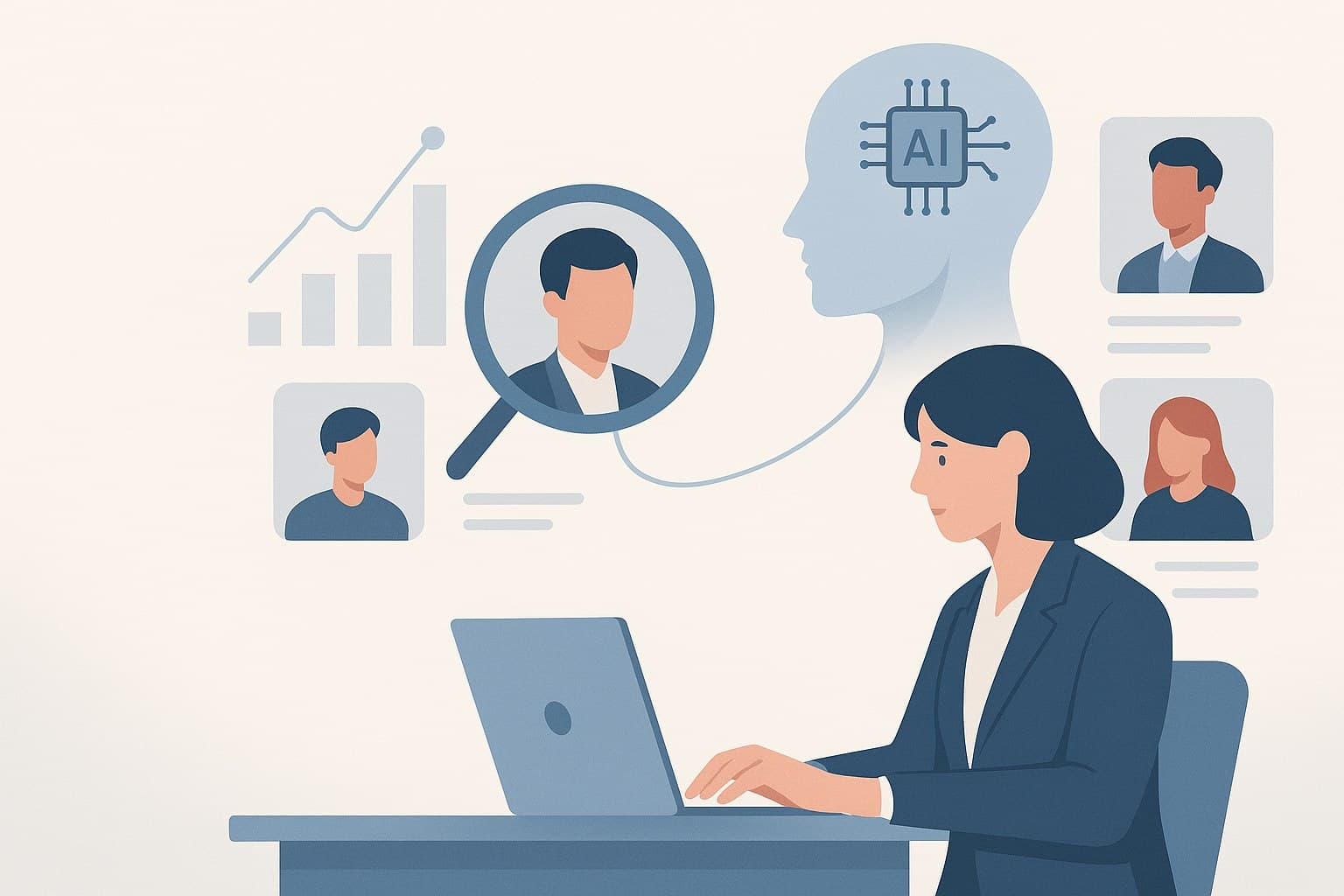
In the ever-evolving landscape of talent acquisition, staying ahead of the curve is essential for corporate decision-makers and HR leaders. The integration of Artificial Intelligence (AI) into the recruitment process is not just a trend; it is a strategic necessity. AI for headhunters offers transformative potential, enabling companies to identify, attract, and retain the right talent more efficiently and effectively. This article explores the profound impact of AI on headhunting, its benefits, and how HR leaders can leverage this technology to gain a competitive edge.
The Role of AI in Modern Headhunting
AI's influence on headhunting can be seen across various stages of the recruitment process. From sourcing candidates to onboarding, AI has the potential to streamline operations, reduce time-to-hire, and enhance the quality of hires. At its core, AI utilizes algorithms and machine learning to process vast amounts of data, identify patterns, and make informed predictions. Here are some key areas where AI is making a significant impact:
- Candidate Sourcing and Screening
AI-powered tools can scan numerous platforms and databases to identify potential candidates whose skills and experiences match the job requirements. These tools can analyze resumes, social media profiles, and other digital footprints to shortlist candidates efficiently. By automating the initial screening process, AI frees up time for recruiters to focus on engaging with candidates and conducting interviews.
- Bias Reduction
One of the most compelling advantages of AI in recruitment is its potential to reduce unconscious bias. AI systems can be programmed to ignore demographic details such as age, gender, or ethnicity and instead focus purely on skills and experience. This level of objectivity can lead to more diverse and inclusive hiring practices.
- Predictive Analytics
AI can assist in predicting a candidate's future performance and cultural fit within the organization. By analyzing historical data and performance metrics, AI can offer insights into which candidates are likely to succeed in specific roles. This predictive capability enables HR leaders to make informed decisions, reducing the risk of bad hires.
- Enhanced Candidate Experience
AI-driven chatbots and virtual assistants can provide candidates with real-time responses to their queries, schedule interviews, and offer feedback. This level of engagement can significantly enhance the candidate experience, making the recruitment process more transparent and efficient.
Benefits of AI for Headhunters and HR Leaders
The integration of AI into headhunting offers several advantages that can transform the recruitment landscape:
- Efficiency and Cost-Effectiveness
AI can handle repetitive and time-consuming tasks, allowing recruiters to focus on strategic decision-making and relationship-building. This increased efficiency can lead to cost savings and a faster recruitment process.
- Improved Quality of Hires
By leveraging AI's data-driven insights, HR leaders can make more informed hiring decisions. This can lead to improved employee performance and retention rates, as candidates are more likely to align with the company’s needs and culture.
- Scalability
AI tools can manage a vast number of candidates simultaneously, making it easier for companies to scale their recruitment efforts according to business needs. This scalability is particularly beneficial for organizations experiencing rapid growth or seasonal hiring spikes.
- Data-Driven Insights
AI provides valuable analytics that can inform recruitment strategies. By understanding which channels yield the best candidates or identifying bottlenecks in the hiring process, HR leaders can continuously optimize their recruitment efforts.
Implementing AI in Headhunting: Best Practices
For corporate decision-makers and HR leaders considering the adoption of AI in their recruitment processes, here are some best practices to ensure successful implementation:
- Choose the Right Tools
The market is flooded with AI recruitment tools, each offering different features and capabilities. It’s crucial to select tools that align with your organization’s specific needs and goals. Consider factors such as integration capabilities, user-friendliness, and the level of support provided by the vendor.
- Ensure Data Privacy and Compliance
With the increasing use of AI in recruitment, data privacy and compliance are paramount. Ensure that your AI tools comply with relevant regulations such as GDPR or CCPA. Implement robust data protection measures to safeguard candidate information.
- Train Your Team
Successful AI implementation requires buy-in from your recruitment team. Provide comprehensive training to ensure that your team understands how to use AI tools effectively and is aware of the ethical considerations involved.
- Monitor and Evaluate
Continuously monitor the performance of your AI tools and evaluate their impact on your recruitment process. Gather feedback from your team and candidates to identify areas for improvement and ensure that the technology is delivering the desired outcomes.
Conclusion
AI for headhunters represents a powerful strategic tool for corporate decision-makers and HR leaders. By automating routine tasks, reducing bias, and providing data-driven insights, AI can revolutionize the recruitment process, leading to better hiring outcomes. As the technology continues to evolve, embracing AI in recruitment is not just about staying competitive; it’s about setting the foundation for a more efficient, inclusive, and effective talent acquisition strategy. By understanding and leveraging AI’s potential, HR leaders can position their organizations for success in the dynamic world of recruitment.
Frequently Asked Questions
Key questions often raised by business leaders and HR teams:
How does AI improve the recruitment process?
AI enhances recruitment by automating tasks like candidate screening, reducing bias, and providing data-driven insights for better hiring decisions.
What are the key benefits of using AI in headhunting?
Key benefits include increased efficiency, improved quality of hires, scalability, and valuable analytics that inform recruitment strategies.
What should companies consider when implementing AI tools?
Companies should choose tools that align with their needs, ensure data privacy compliance, train their teams, and continuously monitor performance.