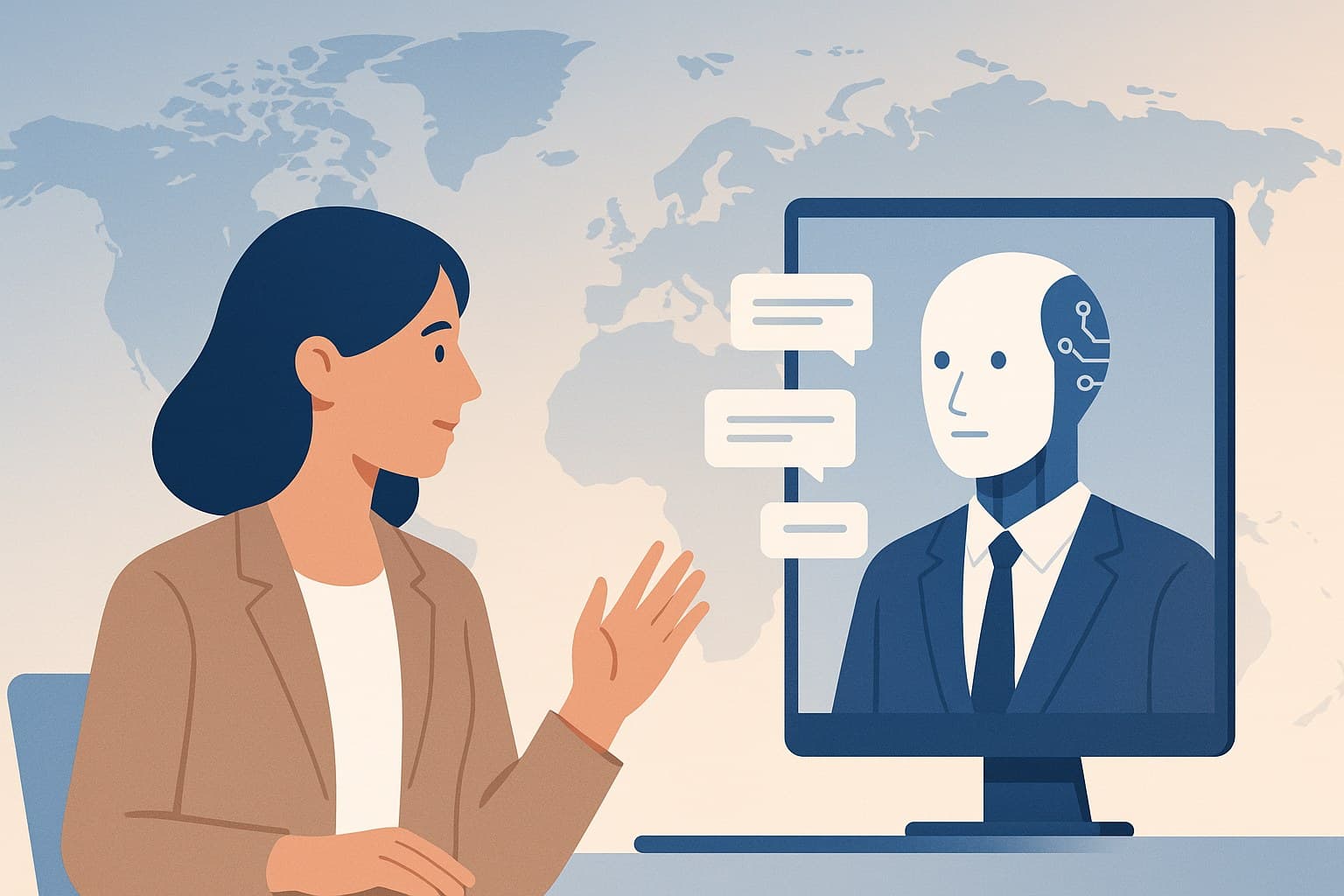
Enhancing Healthcare Credentialing through AI-Powered Resume Triage
In the rapidly evolving landscape of healthcare, the demand for qualified professionals continues to surge. As healthcare institutions strive to maintain high standards of care, the importance of efficient and accurate credentialing processes cannot be overstated. Credentialing, the process of verifying the qualifications, experience, and professional standing of healthcare providers, is critical to ensuring patient safety and institutional compliance. However, traditional credentialing methods are often time-consuming and prone to human error. This is where Artificial Intelligence (AI) can play a transformative role, particularly through AI-powered resume triage systems.
Understanding the Credentialing Challenge
Credentialing involves the meticulous verification of a healthcare provider's education, training, experience, and competency. This process is crucial for ensuring that medical professionals meet the rigorous standards required to deliver safe and effective care. However, manual credentialing can be labor-intensive, often requiring significant time and resources from HR teams. The complexity of this task is compounded by the diversity of credentials across different healthcare roles, such as physicians, nurses, and allied health professionals. Additionally, the growing volume of applicants exacerbates the challenge, making it difficult for HR teams to efficiently process and verify credentials.
The Role of AI in Resume Triage
AI has the potential to revolutionize the credentialing process by enhancing the efficiency and accuracy of resume triage. Resume triage, the initial stage of credentialing, involves the sorting and prioritization of resumes based on predefined criteria. AI-powered systems can automate this process, rapidly analyzing large volumes of resumes to identify candidates who meet the necessary qualifications and credentials.
-
Speed and Efficiency: AI systems can process resumes far more quickly than human reviewers. By leveraging natural language processing (NLP) and machine learning algorithms, AI can swiftly scan resumes for key information such as education, certifications, licenses, and relevant experience. This acceleration allows HR teams to focus their efforts on more complex aspects of credentialing, reducing the overall time-to-hire.
-
Accuracy and Consistency: Human reviewers may inadvertently introduce bias or errors into the credentialing process. AI systems, however, operate based on consistent criteria, ensuring that every resume is evaluated according to the same standards. This consistency helps to minimize the risk of overlooking qualified candidates or misinterpreting credentials.
-
Scalability: As healthcare institutions expand, the volume of credentialing tasks can increase significantly. AI-powered resume triage systems can easily scale to accommodate growing demands, processing thousands of resumes without compromising on speed or accuracy. This scalability is particularly valuable during periods of heightened recruitment activity, such as during flu seasons or public health emergencies.
-
Enhanced Candidate Screening: AI can be programmed to recognize specific keywords and qualifications that are critical for particular roles. This capability enables the system to prioritize resumes that align most closely with job requirements, facilitating more targeted candidate selection. By automating the initial screening process, AI allows HR professionals to focus on engaging with top-tier candidates.
Implementing AI in Healthcare Credentialing
For healthcare organizations considering the integration of AI into their credentialing processes, several key factors should be taken into account:
-
Data Privacy and Security: Given the sensitive nature of healthcare information, it is imperative to ensure that AI systems comply with data protection regulations, such as the Health Insurance Portability and Accountability Act (HIPAA). Robust security measures must be in place to safeguard candidate data throughout the credentialing process.
-
Customization and Flexibility: AI systems should be customizable to accommodate the specific credentialing requirements of different healthcare roles. Flexibility in configuring the AI algorithms ensures that the system can adapt to evolving industry standards and organizational needs.
-
Integration with Existing Systems: Seamless integration with existing HR and credentialing platforms is essential for maximizing the benefits of AI. This integration facilitates a smooth flow of information and minimizes disruptions to established workflows.
-
Continuous Learning and Improvement: AI systems should be designed to continuously learn from new data inputs, improving their accuracy and efficiency over time. Regular updates and training ensure that the AI remains aligned with the latest industry trends and credentialing standards.
Conclusion
The integration of AI-powered resume triage into healthcare credentialing represents a significant step forward in optimizing the recruitment and verification processes. By enhancing speed, accuracy, and scalability, AI systems empower HR teams to focus on strategic decision-making and candidate engagement. For healthcare organizations, this means not only a more efficient credentialing process but also the assurance that they are hiring highly qualified professionals who can deliver exceptional patient care.
As healthcare continues to evolve, embracing technology-driven solutions like AI can provide a competitive edge, enabling organizations to meet the growing demands of the industry while upholding the highest standards of quality and safety. For decision-makers and HR leaders in healthcare, the time is ripe to explore the transformative potential of AI in revolutionizing credentialing and beyond.
Frequently Asked Questions
Key questions often raised by business leaders and HR teams:
What is AI-powered resume triage?
AI-powered resume triage is an automated system that analyzes and sorts resumes based on specific criteria, enhancing the efficiency of the credentialing process.
How does AI improve the accuracy of credentialing?
AI systems evaluate resumes based on consistent criteria, reducing human bias and errors, which leads to more accurate candidate assessments.
What are the benefits of using AI in healthcare recruitment?
AI enhances speed, accuracy, and scalability in the recruitment process, allowing HR teams to focus on engaging with top candidates.
Is candidate data secure when using AI for credentialing?
Yes, AI systems must comply with data protection regulations, such as HIPAA, ensuring that candidate information is kept secure throughout the process.
Can AI systems be customized for different healthcare roles?
Absolutely! AI systems can be tailored to meet the specific credentialing requirements of various healthcare positions, ensuring flexibility.