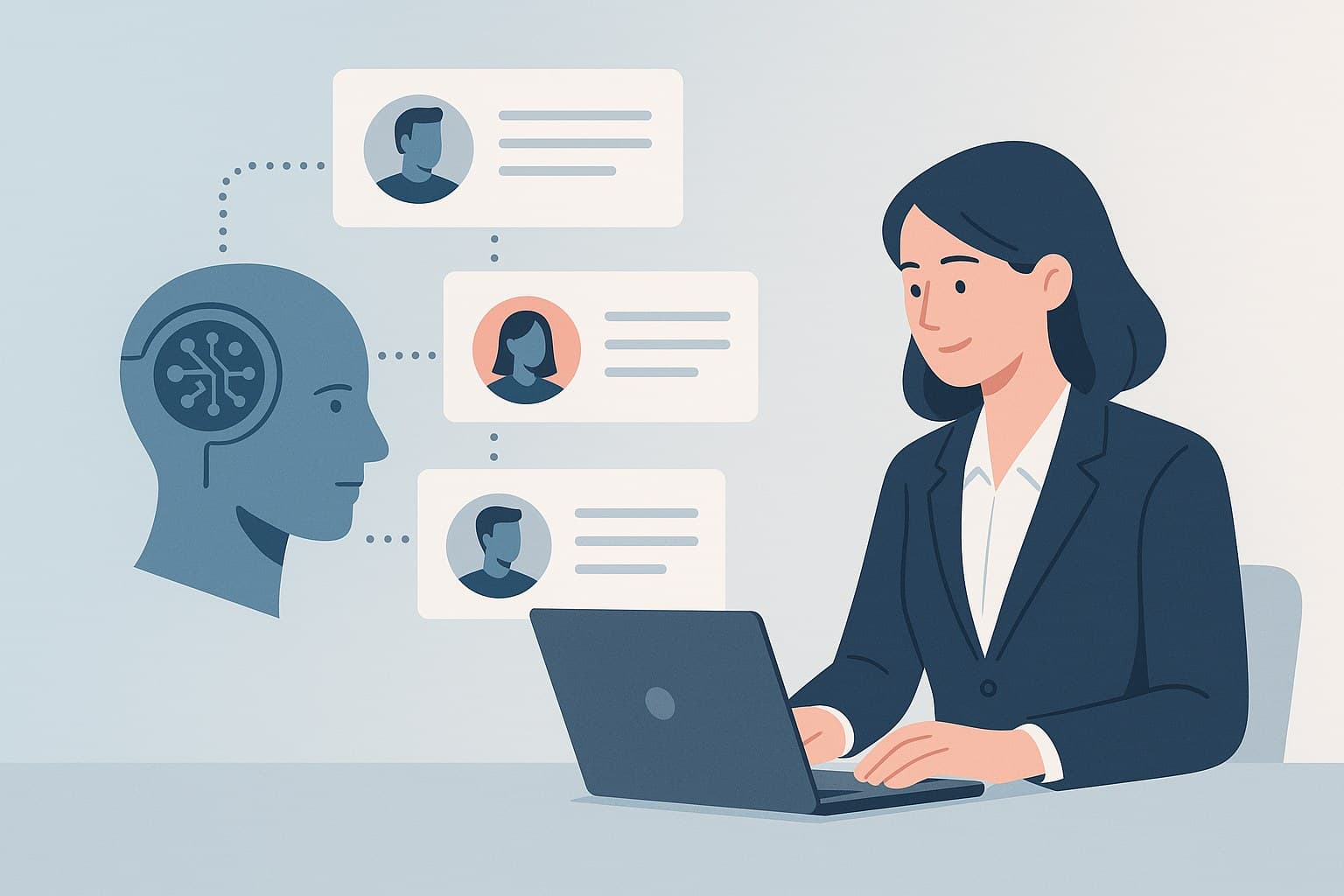
AI Hiring Audit Playbook: A Comprehensive Guide for Businesses
In the rapidly evolving landscape of artificial intelligence, hiring practices are no exception to the transformative power of AI. As companies increasingly incorporate AI into their recruitment processes, ensuring ethical, unbiased, and effective systems becomes paramount. This article provides a comprehensive AI Hiring Audit Playbook, offering insights and actionable strategies for businesses to optimize their AI-driven hiring processes.
Understanding AI in Hiring
AI in hiring involves using machine learning algorithms and data analytics to streamline recruitment processes. From sourcing candidates to conducting interviews, AI can enhance efficiency and reduce human biases. However, without proper oversight, AI can inadvertently amplify existing biases and create ethical concerns.
Key Components of AI in Hiring
- Resume Screening: AI algorithms quickly sift through thousands of applications to identify candidates that fit predefined criteria.
- Chatbots: AI-driven chatbots engage with candidates, answering queries and scheduling interviews.
- Video Interviews: AI analyzes video interviews to assess candidate traits and competencies.
- Predictive Analytics: AI predicts candidate success based on past data and performance indicators.
The Importance of Conducting an AI Hiring Audit
Conducting an AI hiring audit is crucial to ensure fairness, transparency, and compliance with legal standards. It helps identify and mitigate biases, ensuring that AI tools promote diversity and inclusion rather than hinder it.
Benefits of an AI Hiring Audit
- Bias Detection and Mitigation: Identify and rectify biases in algorithms that could lead to discriminatory hiring practices.
- Compliance Assurance: Ensure adherence to regulations like the GDPR, CCPA, and EEOC guidelines.
- Improved Decision-Making: Enhance the accuracy and fairness of hiring decisions.
- Trust Building: Foster trust among candidates and stakeholders by demonstrating commitment to ethical AI practices.
1. Define the Scope and Objectives
Before initiating an audit, it's essential to define the scope and objectives clearly. Determine which aspects of the hiring process will be audited and set specific, measurable goals.
2. Assemble a Cross-Functional Team
An effective audit requires a team with diverse expertise, including HR professionals, data scientists, legal advisors, and ethicists. This diversity ensures a comprehensive evaluation of AI systems from multiple perspectives.
3. Evaluate Data Sources and Quality
AI systems are only as good as the data they are trained on. Evaluate the data sources for accuracy, completeness, and bias. Ensure that data is representative of the diverse candidate pool you aim to attract.
4. Analyze Algorithms for Bias
Use statistical methods to test algorithms for biases. Common techniques include disparate impact analysis and fairness-aware machine learning. Ensure that your algorithms do not disproportionately disadvantage any group.
5. Review AI System Transparency
Assess the transparency of AI tools. Can decisions made by the AI be explained? Is there a clear rationale for candidate selection or rejection? Transparency is key to building trust and ensuring accountability.
6. Test for Compliance with Legal Standards
Ensure that AI systems comply with relevant legal standards. This includes data privacy laws and anti-discrimination regulations. Regularly update compliance checks to reflect changes in legislation.
7. Implement Feedback Mechanisms
Establish feedback mechanisms to continuously improve AI systems. Encourage input from candidates and employees to identify areas of improvement and address concerns promptly.
Prioritize Ethical AI Development
Invest in ethical AI development by collaborating with experts in AI ethics and bias mitigation. Ensure that your AI systems are designed with fairness and inclusivity in mind from the outset.
Regularly Update and Train AI Models
Keep your AI models updated with the latest data and trends. Regular training helps adapt to changing market conditions and reduces the risk of outdated biases.
Foster a Culture of Accountability
Promote a culture of accountability by assigning clear responsibilities for AI oversight. Encourage open discussions about AI ethics and the implications of automated decision-making in hiring.
Engage with External Auditors
Consider engaging with third-party auditors to provide an unbiased assessment of your AI systems. External audits can offer fresh perspectives and validate internal findings.
Educate Stakeholders
Educate all stakeholders, including HR teams, management, and candidates, about the role of AI in hiring. Transparency and education build trust and facilitate smoother adoption of AI technologies.
Conclusion
As AI continues to reshape the hiring landscape, conducting thorough AI hiring audits is not just a best practice—it's a necessity. By understanding the components of AI in hiring, recognizing the importance of audits, and implementing actionable strategies, businesses can harness the power of AI while ensuring ethical, fair, and effective recruitment processes.
In the era of AI-driven recruitment, the commitment to transparency, accountability, and continuous improvement will set leading organizations apart. Embrace the AI hiring audit playbook to navigate the complexities of AI in hiring and drive meaningful, positive change in your recruitment practices.
Frequently Asked Questions
Key questions often raised by business leaders and HR teams:
What is an AI hiring audit?
An AI hiring audit is a comprehensive evaluation of AI-driven recruitment processes to ensure fairness, transparency, and compliance with legal standards.
Why is bias detection important in AI hiring?
Bias detection is crucial to prevent discriminatory practices that can arise from AI algorithms, ensuring a fair hiring process for all candidates.
How can companies implement effective feedback mechanisms?
Companies can implement feedback mechanisms by encouraging input from candidates and employees, allowing for continuous improvement of AI systems.
What are the benefits of conducting an AI hiring audit?
Benefits include bias detection, compliance assurance, improved decision-making, and building trust among candidates and stakeholders.
Who should be involved in an AI hiring audit?
A cross-functional team including HR professionals, data scientists, legal advisors, and ethicists should be involved for a comprehensive evaluation.