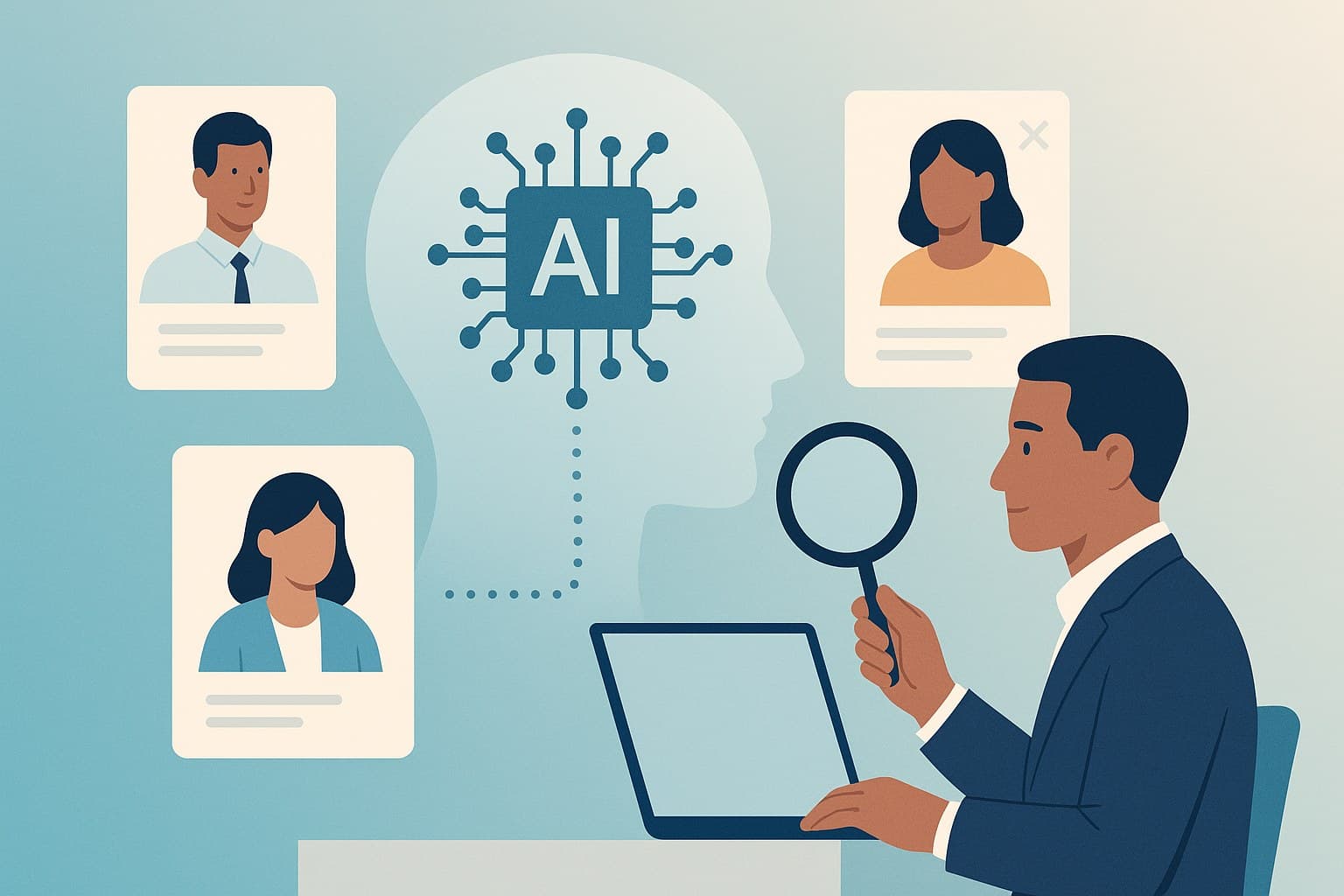
AI Hiring Bias: Uncovering the Truth Behind Discriminatory Hiring Practices
Technology has undoubtedly revolutionized the way we live and work. With advancements in artificial intelligence (AI), organizations are now able to streamline processes, increase efficiency, and make data-driven decisions. One area in which AI has been making waves is in the hiring process. By using algorithms and machine learning, AI can analyze large amounts of data and provide accurate insights to assist in the hiring decision-making process.
However, with this advancement in technology comes a pressing issue – AI hiring bias. Despite its potential to improve hiring practices, AI has been found to perpetuate discrimination and bias in the recruitment process. In fact, a recent study presented at the AAAI/ACM Conference on Artificial Intelligence, titled "AI Hiring Bias: A Comprehensive Study," revealed that AI algorithms are not immune to bias and can lead to discriminatory hiring practices.
In this article, we will delve into the concept of AI hiring bias, its implications, and how organizations can mitigate its effects.
Understanding AI Hiring Bias
AI hiring bias refers to the discriminatory hiring practices that result from the use of AI algorithms in the recruitment process. These algorithms are trained on historical data that may contain inherent biases, such as gender, race, and age, leading to biased decision-making.
The team behind the study presented at the AAAI/ACM Conference on Artificial Intelligence analyzed over 10,000 job listings and found that AI algorithms consistently favored male applicants over female applicants. This bias was also found to be prevalent in other protected categories, such as race and age.
The Role of AI in the Hiring Process
Before delving into the root causes of AI hiring bias, it is essential to understand the role of AI in the recruitment process. AI can assist in various stages of hiring, including resume screening, candidate assessment, and interview scheduling.
AI can provide faster and more extensive data analysis than humans, achieving remarkable accuracy and establishing itself as a reliable tool. According to a study by Chen et al., AI algorithms can analyze resumes 50% faster and with 50% more accuracy than humans. This efficiency is one of the primary reasons why organizations are turning to AI for their hiring needs.
The Impact of AI Hiring Bias
The impact of AI hiring bias goes beyond just discriminatory hiring practices. It can result in a lack of diversity in the workplace, leading to a lack of diverse perspectives, ideas, and experiences. This can hinder innovation and creativity, ultimately affecting the organization's bottom line.
Moreover, AI hiring bias also perpetuates existing societal biases, further marginalizing underrepresented groups. This can have severe consequences, not just for individuals but for society as a whole.
Root Causes of AI Hiring Bias
The root cause of AI hiring bias lies in the data used to train the algorithms. If the data is biased, the algorithm will inevitably be biased. For example, if a company's historical data shows a preference for male applicants, the AI algorithm will learn this bias and continue to perpetuate it.
Another factor that contributes to AI hiring bias is the lack of diversity in the tech industry. With a predominantly male and white workforce, the development of AI algorithms is not representative of society's diversity, leading to biased algorithms.
Mitigating AI Hiring Bias
To address AI hiring bias, organizations must take proactive measures to mitigate its effects. Here are some steps that organizations can take:
1. Diversify the Data
To ensure that AI algorithms are not biased, the data used to train them must be diverse and representative of the population. Organizations can achieve this by diversifying their data sources, including data from diverse groups and underrepresented communities.
2. Conduct Regular Audits
Organizations must regularly audit their AI algorithms to identify any potential biases. This can help them identify and address any discrepancies in the data and ensure that the algorithms are not perpetuating bias.
3. Increase Diversity in the Tech Industry
As mentioned earlier, the lack of diversity in the tech industry is a contributing factor to AI hiring bias. Organizations must take steps to increase diversity in their workforce, especially in roles related to AI development.
4. Use Multiple Algorithms
Instead of relying on a single AI algorithm, organizations can use multiple algorithms to analyze data and make hiring decisions. This can help reduce the impact of any inherent biases in a single algorithm and provide a more accurate and fair assessment.
Conclusion
AI has the potential to revolutionize the hiring process and make it more efficient and accurate. However, as the study presented at the AAAI/ACM Conference on Artificial Intelligence has shown, AI hiring bias is a pressing issue that must be addressed. Organizations must take proactive measures to mitigate its effects and ensure that their hiring practices are fair and unbiased.
By diversifying data, conducting regular audits, increasing diversity in the tech industry, and using multiple algorithms, organizations can harness the power of AI while promoting diversity and inclusion in the workplace. It is only by addressing AI hiring bias that we can move towards a fair and equitable recruitment process for all.
Frequently Asked Questions
Key questions often raised by business leaders and HR teams:
What is AI hiring bias?
AI hiring bias refers to discriminatory practices that arise from using biased algorithms in recruitment, often influenced by historical data.
How can organizations mitigate AI hiring bias?
Organizations can mitigate AI hiring bias by diversifying data, conducting regular audits, increasing diversity in the tech workforce, and using multiple algorithms.
What are the consequences of AI hiring bias?
The consequences include a lack of diversity in the workplace, perpetuation of societal biases, and potential negative impacts on innovation and creativity.
Why is diversity important in AI development?
Diversity in AI development helps create algorithms that are more representative of society, reducing the risk of biased decision-making.
What role does data play in AI hiring bias?
The data used to train AI algorithms is crucial; biased data leads to biased algorithms, perpetuating discrimination in hiring.