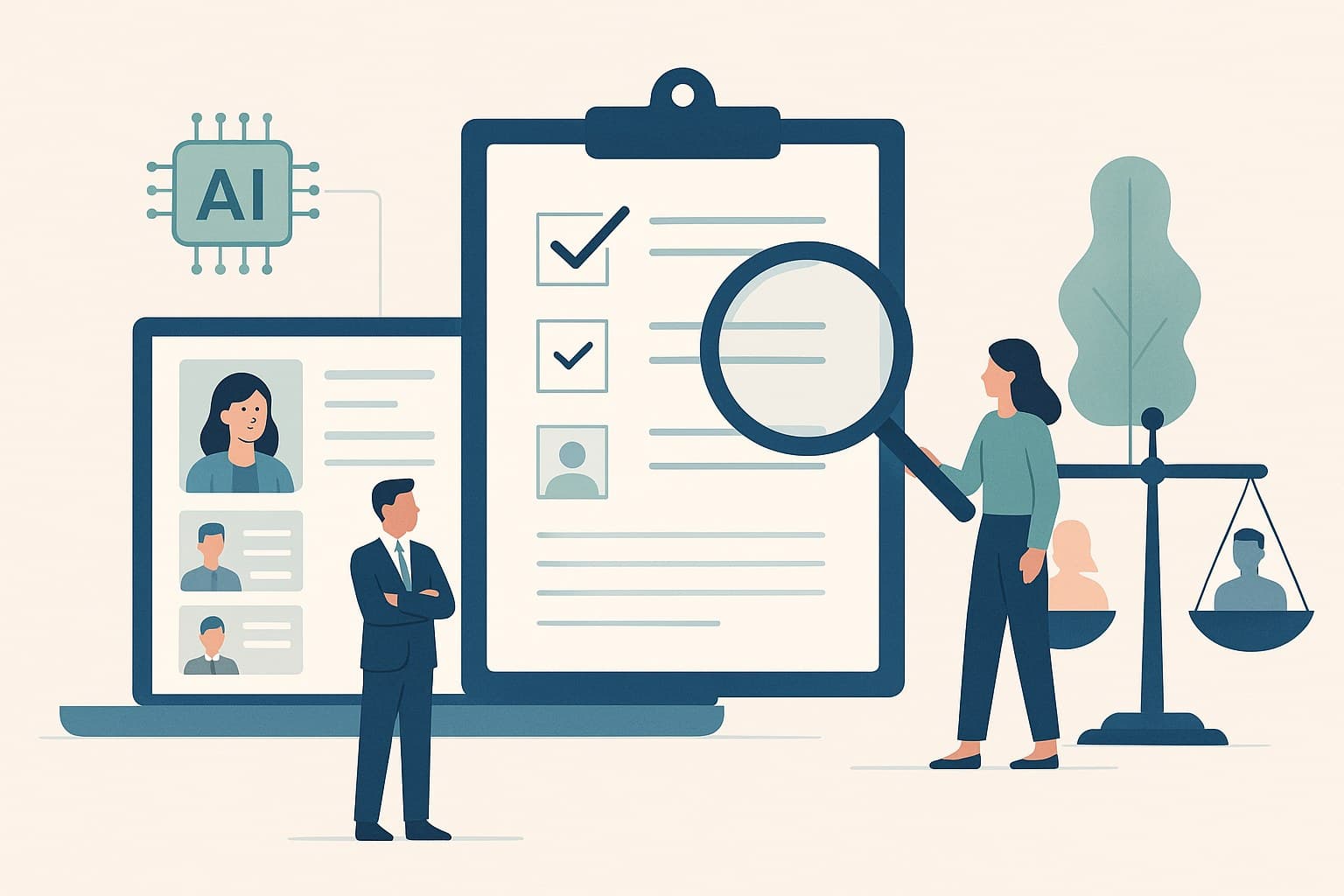
AI Hiring Bias Audit: Understanding and Addressing Biases in the Hiring Process
In recent years, Artificial Intelligence (AI) has increasingly been used in the hiring process by organizations. With the promise of efficiency and objectivity, AI-driven tools have become more embedded in employment decision-making. However, with this integration comes the risk of perpetuating biases and discrimination. This is where AI hiring bias audit comes in - a process that aims to identify and address any biases in the AI tools used in hiring. In this article, we will delve into the concept of AI hiring bias audit, its importance, and how employers can take steps to ensure a fair and unbiased hiring process.
Understanding AI Hiring Bias Audit
AI hiring bias audit is a process of evaluating AI tools used in the hiring process to identify any biases that may exist. It involves reviewing the algorithms, data sets, and decision-making processes used by AI tools to assess candidates. The goal of this audit is to ensure that the AI tools are not perpetuating any biases based on factors such as race, gender, age, or ethnicity.
The use of AI in hiring has gained popularity due to its ability to quickly sift through large volumes of data and make decisions based on predetermined criteria. However, this also means that the AI tools are only as objective as the data and criteria they are programmed with. If these data and criteria contain biases, the AI tools will perpetuate them, leading to discriminatory hiring practices.
The Potential Risks of AI Hiring Bias
The use of AI in hiring has the potential to improve the efficiency and objectivity of the process. However, if not carefully monitored, it can also lead to biased and discriminatory outcomes. For example, features of an AI system evaluating resumes may designate education level or prior job titles as factors to consider when evaluating candidates. However, these features may be biased towards certain demographics, leading to the exclusion of qualified candidates from underrepresented groups.
A study by Harvard Business Review found that AI hiring tools exhibited biases against women and non-white candidates, even when the job descriptions were gender and race-neutral. This highlights the need for organizations to be aware of and address any biases in their AI tools.
The Importance of AI Hiring Bias Audit
The use of AI in hiring has raised concerns about the potential for discrimination and the lack of transparency in the decision-making process. AI hiring bias audit is crucial for organizations to ensure that their hiring processes are fair and inclusive. It also helps organizations avoid any legal consequences that may arise from discriminatory practices.
Moreover, conducting an AI hiring bias audit can also improve the overall efficiency and effectiveness of the hiring process. By identifying and addressing any biases, organizations can ensure that the best candidates are selected based on their qualifications and abilities, rather than irrelevant factors.
What Employers Can Do Now: Consider an AI Bias Audit
As AI-driven tools become more embedded in employment decision-making, employers should take proactive steps to ensure that their hiring processes are free from biases. Here are some key actions employers can take now to conduct an AI bias audit.
Educate Yourself and Your Team
The first step in addressing AI hiring bias is to understand the potential risks and how they can manifest in the hiring process. Employers should educate themselves and their teams about AI and its potential for perpetuating biases. This will help them identify any red flags and take the necessary steps to address them.
Evaluate Your AI Tools
Employers should review the AI tools they are using in the hiring process. This includes reviewing the algorithms, data sets, and decision-making processes used by these tools. Employers should also closely examine the criteria used to evaluate candidates and ensure that they are free from any biases.
Seek Expert Assistance
Conducting an AI hiring bias audit can be a complex and technical process. Employers can seek assistance from experts in this field to help them identify any biases in their AI tools and provide recommendations for improvement.
Monitor and Re-evaluate Regularly
AI tools are not static and can evolve over time. Employers should regularly monitor and re-evaluate their AI tools to ensure that they are not perpetuating any biases. This will also help them identify any new biases that may emerge and take corrective actions.
Conclusion
AI hiring bias audit is an essential step for organizations using AI in their hiring process. It helps employers ensure that their hiring processes are fair, inclusive, and free from biases. By taking proactive steps now, organizations can not only avoid legal consequences but also improve the overall efficiency and effectiveness of their hiring process. Employers should prioritize conducting regular AI hiring bias audits to ensure a fair and unbiased hiring process for all candidates.
Frequently Asked Questions
Key questions often raised by business leaders and HR teams:
What is an AI hiring bias audit?
An AI hiring bias audit is a process that evaluates the AI tools used in hiring to identify and address any biases based on race, gender, or other factors.
Why is it important to conduct an AI hiring bias audit?
Conducting an AI hiring bias audit is crucial to ensure fair and inclusive hiring practices, helping organizations avoid legal issues and improve their recruitment efficiency.
How can employers start an AI hiring bias audit?
Employers can start by educating their teams about AI biases, evaluating their current AI tools, seeking expert assistance, and regularly monitoring their systems.
What are the risks of not addressing AI hiring bias?
Failing to address AI hiring bias can lead to discriminatory practices, exclusion of qualified candidates, and potential legal repercussions for organizations.
Can AI hiring tools be unbiased?
AI hiring tools can be unbiased if they are carefully designed, monitored, and audited to ensure they do not perpetuate existing biases in the data and algorithms used.