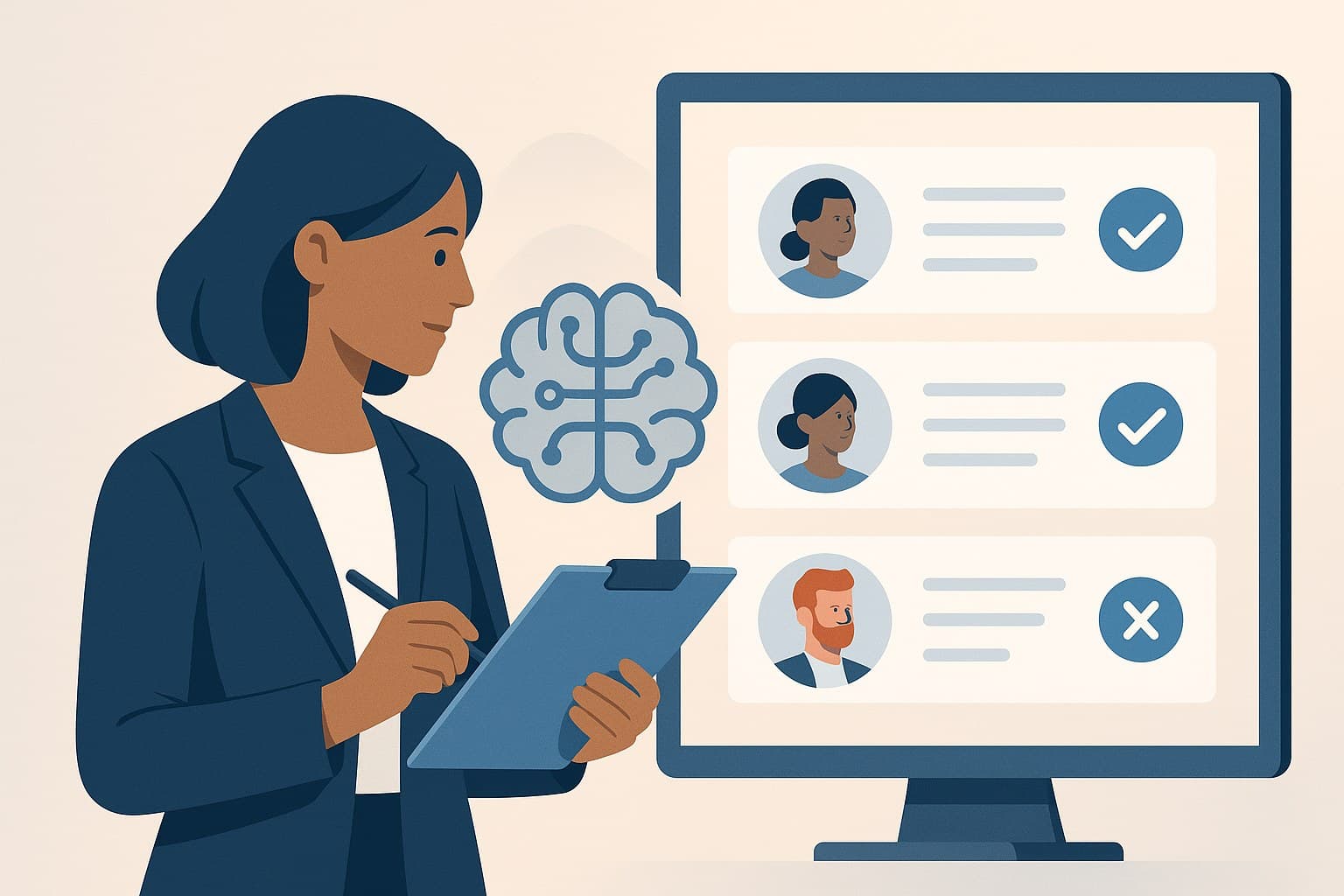
Title: Navigating AI Hiring Bias: A Guide for Corporate Decision-Makers and HR Leaders
In the modern landscape of recruitment, artificial intelligence (AI) has emerged as a transformative tool, offering efficiency and scalability in hiring processes. From sifting through resumes to conducting initial interviews, AI-powered systems are increasingly utilized to reduce the burden on human resources (HR) departments. However, while AI provides numerous benefits, it also presents challenges, particularly concerning hiring bias. This article delves into the complexities of AI hiring bias and offers guidance for corporate decision-makers and HR leaders on how to navigate these challenges effectively.
Understanding AI Hiring Bias
AI hiring bias occurs when algorithms developed to assist in recruitment unintentionally favor certain candidates over others based on non-job-related characteristics such as gender, race, or age. This bias can manifest from several factors:
-
Data Bias: AI systems learn from historical data. If past data reflects biased hiring practices, the AI can perpetuate and even amplify these biases.
-
Algorithmic Bias: Algorithms are created by humans, and if developers' unconscious biases influence the algorithm design, these biases can be embedded into the AI system.
-
Lack of Diversity in Development: Homogeneity within AI development teams can lead to blind spots in understanding and mitigating bias.
The Impact of AI Hiring Bias
The implications of AI hiring bias are significant:
-
Legal Repercussions: Organizations may face legal challenges if their AI systems are found to discriminate against protected groups.
-
Reputation Damage: Bias in hiring can harm a company’s reputation, making it difficult to attract diverse talent and affecting consumer perceptions.
-
Loss of Talent: Bias can lead to the exclusion of highly qualified candidates who could contribute to organizational success.
Strategies to Mitigate AI Hiring Bias
To address AI hiring bias, corporate decision-makers and HR leaders must adopt a proactive approach:
-
Audit and Revise Data Sources: Ensure that the data used to train AI systems is diverse and representative. Regularly audit data for biases and make necessary adjustments.
-
Algorithm Transparency and Accountability: Choose AI vendors that prioritize transparency in their algorithms. Understand the decision-making process of AI systems and ensure accountability.
-
Human Oversight: AI should augment human decision-making, not replace it. Incorporate human judgment at critical stages of the hiring process to catch potential biases.
-
Diverse Development Teams: Encourage diversity within teams that develop AI systems. A variety of perspectives can help identify and mitigate biases that homogeneous teams might overlook.
-
Bias Testing and Mitigation Tools: Implement tools designed to test and mitigate bias in AI systems. Regularly test for disparate impact and adjust algorithms accordingly.
-
Continuous Education and Training: Train HR professionals and decision-makers on the potential biases of AI and how to manage them. Continuous learning will help keep the organization updated on best practices.
The Role of Leadership
Leadership plays a crucial role in addressing AI hiring bias. Corporate leaders must foster a culture that values diversity and inclusion, setting the tone for ethical AI use. This includes:
-
Setting Clear Policies: Develop and communicate clear policies regarding AI use in hiring, emphasizing non-discrimination and equity.
-
Investing in Ethical AI: Allocate resources towards research and development of ethical AI tools. Partner with organizations and experts focused on reducing AI bias.
-
Regular Review and Feedback Loops: Establish regular review processes to assess the impact of AI on hiring and gather feedback from stakeholders. This ensures continuous improvement and adaptation.
The Future of AI in Hiring
As AI technology evolves, so too will the strategies to manage its biases. Future advancements may offer more sophisticated tools for detecting and mitigating bias. However, the responsibility remains with organizations to ensure that these tools are used ethically and effectively.
Corporate decision-makers and HR leaders must remain vigilant and proactive, continuously adapting to new challenges and opportunities that AI presents. By doing so, they can harness the benefits of AI while upholding the principles of fairness and equality in hiring practices.
Conclusion
AI has the potential to revolutionize hiring, offering unprecedented efficiencies and insights. However, without careful management, AI hiring bias can undermine these benefits and lead to significant organizational challenges. By understanding the roots of AI bias and implementing strategies to mitigate it, corporate decision-makers and HR leaders can drive more equitable hiring practices. The ultimate goal should be to create a workforce that reflects the diversity and values of society, supported by fair and unbiased AI systems.
Frequently Asked Questions
Key questions often raised by business leaders and HR teams:
What is AI hiring bias?
AI hiring bias occurs when algorithms favor certain candidates based on non-job-related characteristics, leading to unfair hiring practices.
How can organizations mitigate AI hiring bias?
Organizations can mitigate AI hiring bias by auditing data sources, ensuring algorithm transparency, and incorporating human oversight in the hiring process.
Why is leadership important in addressing AI hiring bias?
Leadership is crucial as it sets the tone for ethical AI use and fosters a culture of diversity and inclusion within the organization.
What are the consequences of AI hiring bias?
Consequences include legal repercussions, damage to company reputation, and loss of talented candidates who could contribute to success.
What future advancements can help with AI hiring bias?
Future advancements may include more sophisticated tools for detecting and mitigating bias, but organizations must ensure ethical implementation.