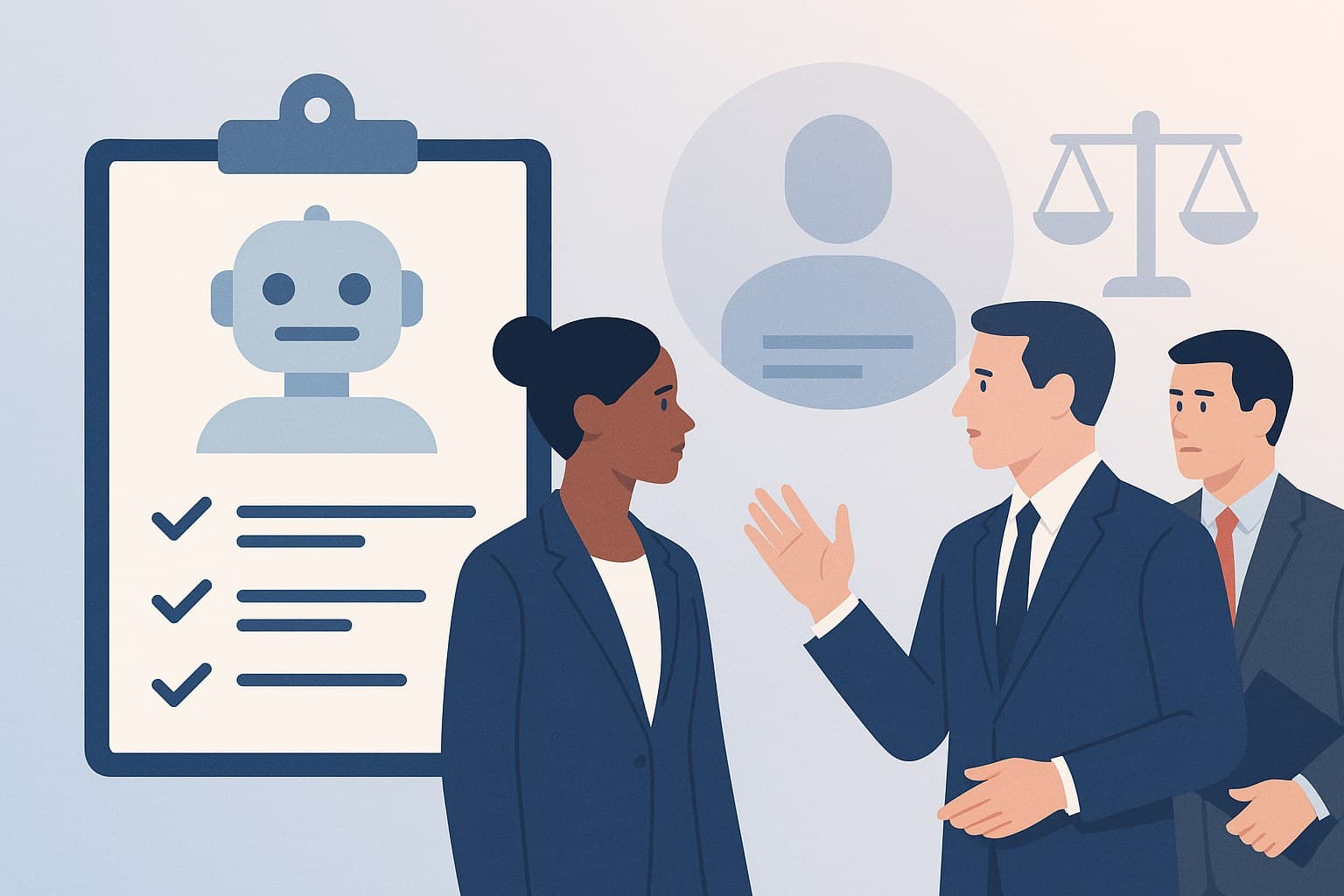
AI Hiring Compliance: Ensuring a Transparent and Equitable Hiring Process
The use of artificial intelligence (AI) in the hiring process has become increasingly popular in recent years. From resume scanning to video analysis, AI tools promise to make the recruitment process more efficient and effective. However, with this technology comes the need for AI hiring compliance to ensure that companies are not unintentionally discriminating against certain groups of applicants. This isn't just about avoiding penalties; it's about building a transparent and equitable hiring process. In this article, we will explore the importance of AI hiring compliance and how companies can ensure they are following the necessary guidelines.
Understanding AI and Its Role in Hiring
Before diving into the specifics of AI hiring compliance, it is important to understand what AI is and how it is used in the hiring process. AI is a broad term that encompasses a range of technologies that can perform tasks that would typically require human intelligence. In recruitment, AI is used to automate various aspects of the hiring process, from resume screening to candidate assessments.
One of the most common uses of AI in hiring is resume screening. AI tools can scan through resumes and highlight top candidates based on specific keywords and criteria set by the company. This saves recruiters time and helps them focus on the most qualified candidates.
Another use of AI in hiring is video analysis. With the rise of virtual interviews, AI tools can analyze facial expressions, tone of voice, and other non-verbal cues to determine a candidate's suitability for a role. This technology claims to provide insights into an applicant's fitness, reliability, and emotional intelligence.
The Importance of AI Hiring Compliance
While AI tools promise to make the recruitment process more efficient and objective, there is growing concern about the potential for bias and discrimination. This is especially true when it comes to video analysis, where factors such as race, gender, and age can influence the outcome.
In the United States, the Equal Employment Opportunity Commission (EEOC) enforces laws that prohibit discrimination in the workplace, including the hiring process. This means that companies must ensure that their hiring practices do not discriminate against protected classes such as race, gender, and age. Failure to comply with these laws can result in hefty fines and damage to a company's reputation.
Moreover, companies have a responsibility to promote diversity and inclusion in their hiring process. AI tools that are not properly trained on diverse data sets can perpetuate existing biases and result in a lack of diversity in the workplace. This not only goes against ethical principles but can also limit a company's growth and success.
Ensuring AI Hiring Compliance
To ensure compliance with laws and promote diversity and inclusion, companies need to take a proactive approach when using AI in the hiring process. Here are some key steps to consider:
1. Understand the Limitations of AI
AI tools are only as good as the data they are trained on. This means that if the data is biased, the results will also be biased. Therefore, it is essential for companies to understand the limitations of AI and the potential for bias. Companies should thoroughly research and test AI tools before implementing them in the hiring process.
2. Monitor and Evaluate AI Tools Regularly
AI tools should be continuously monitored and evaluated to ensure they are producing unbiased results. This can be done by regularly reviewing the data and outcomes of the tool and making necessary adjustments. Companies should also have a diverse team involved in the hiring process to review and challenge the results of AI tools.
3. Train AI Tools on Diverse Data Sets
As mentioned earlier, AI tools need to be trained on diverse data sets to avoid perpetuating biases. This means including data from a variety of sources and ensuring that it represents a diverse pool of candidates. Companies should also regularly update and retrain AI tools to keep up with changing trends and demographics.
4. Be Transparent About AI Usage
Transparency is key when it comes to AI hiring compliance. Companies should clearly communicate to applicants that AI tools are being used in the hiring process and how the data is being collected and used. This not only promotes trust but also allows candidates to raise any concerns about the process.
5. Review and Update Company Policies and Procedures
Companies should review their policies and procedures to ensure they align with AI hiring compliance guidelines. This includes reviewing job descriptions, interview questions, and evaluation criteria to ensure they do not discriminate against any protected classes. Companies should also regularly update these policies as laws and best practices evolve.
Conclusion: Building a Fair and Equitable Hiring Process with AI
AI tools have the potential to revolutionize the hiring process and make it more efficient and effective. However, companies must also take into consideration the potential for bias and discrimination. By understanding the limitations of AI, regularly monitoring and evaluating AI tools, training them on diverse data sets, being transparent, and reviewing company policies, companies can ensure that their hiring process is fair and equitable for all applicants.
AI hiring compliance is not just about avoiding penalties; it is about promoting diversity, inclusion, and fairness in the workplace. Companies that prioritize compliance and ethical practices in their hiring process not only avoid legal consequences but also create a positive work environment and attract top talent. As the use of AI in hiring continues to grow, so does the responsibility of companies to ensure compliance and promote diversity and inclusion.
Frequently Asked Questions
Key questions often raised by business leaders and HR teams:
What is AI hiring compliance?
AI hiring compliance refers to adhering to legal and ethical standards when using AI technologies in recruitment processes.
Why is bias a concern in AI hiring?
Bias in AI hiring can lead to discriminatory practices, as AI systems may perpetuate existing biases present in training data.
How can companies ensure transparency in AI hiring?
Companies can ensure transparency by implementing AI systems that provide clear explanations of their decision-making processes.
What are best practices for AI hiring compliance?
Best practices include conducting regular bias audits, ensuring human oversight, and training AI on diverse data sets.
What regulations govern AI in hiring?
Regulations such as the Civil Rights Act, ADA, and GDPR provide frameworks to ensure ethical use of AI in recruitment.