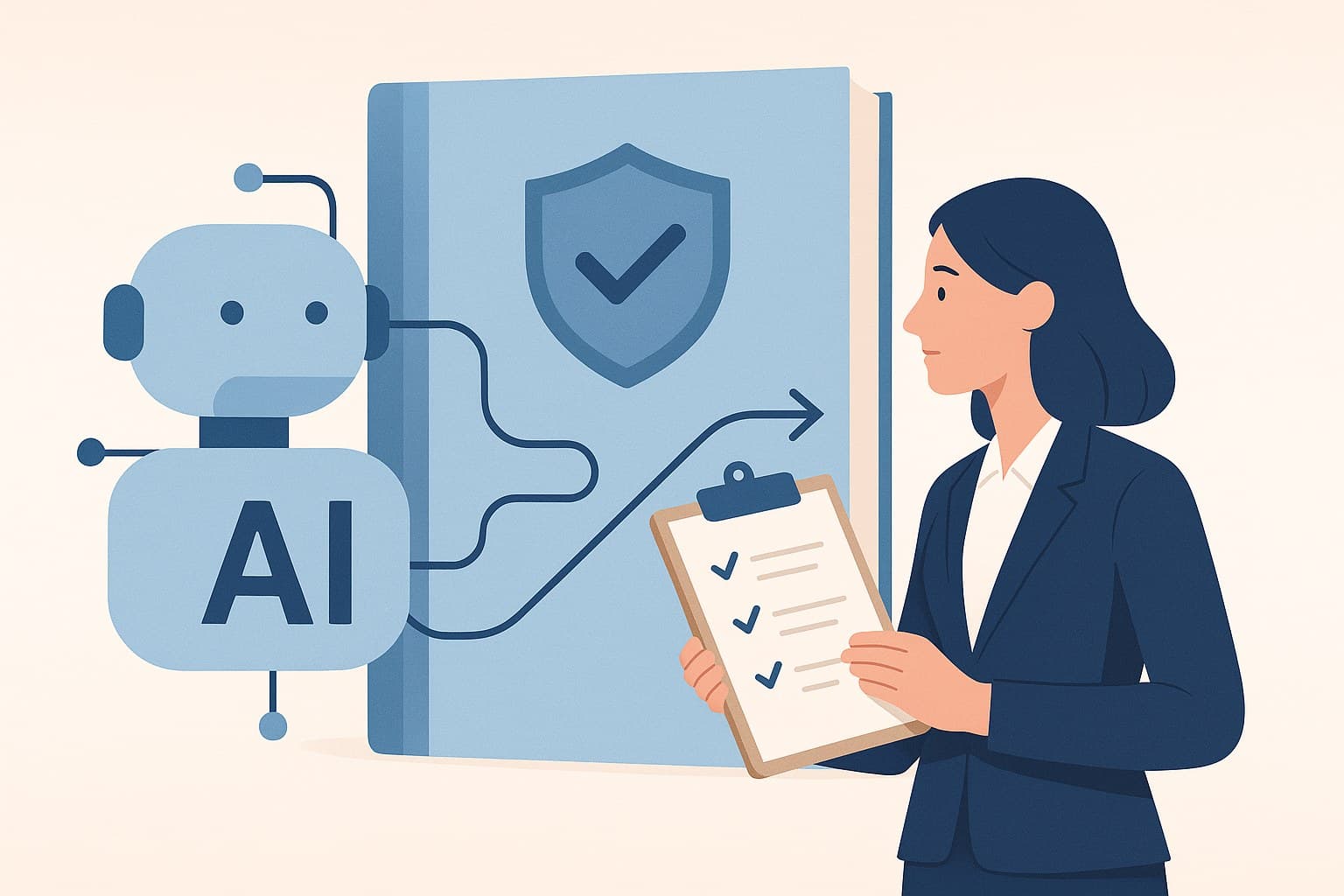
Title: Navigating the Complex Landscape of AI Hiring Compliance: A Guide for Corporate Decision-Makers and HR Leaders
In today's rapidly evolving technological landscape, Artificial Intelligence (AI) is transforming various business operations, including the hiring process. AI-driven hiring tools promise increased efficiency, reduced bias, and a broader reach in talent acquisition. However, with these advancements come significant compliance challenges that corporate decision-makers and HR leaders must address to ensure ethical and legal hiring practices.
Understanding AI in Hiring
AI in hiring refers to the use of machine learning algorithms, natural language processing, and other AI technologies to streamline and enhance recruitment processes. These tools can automate resume screening, conduct preliminary interviews, and even predict candidate success. The potential for AI in hiring is immense, offering the ability to process large volumes of applications quickly and to identify the best candidates based on data-driven insights.
The Importance of Compliance
While AI can offer substantial benefits, compliance remains a critical consideration. Compliance in AI hiring involves adhering to legal standards, ethical norms, and organizational policies that govern fair employment practices. This is crucial not only to avoid legal penalties but also to maintain a positive employer brand and ensure a diverse and inclusive workplace.
Key Compliance Challenges
-
Bias and Discrimination: One of the most significant concerns with AI hiring tools is the potential for bias. AI systems learn from existing data, which may contain historical biases. If not carefully managed, these systems can perpetuate or even exacerbate discrimination based on race, gender, age, or other protected characteristics.
-
Data Privacy: AI hiring tools often rely on large datasets, which may include sensitive personal information. Ensuring compliance with data protection regulations such as the General Data Protection Regulation (GDPR) or the California Consumer Privacy Act (CCPA) is essential to protect candidate privacy and avoid legal repercussions.
-
Transparency and Accountability: Companies must ensure that their AI systems are transparent and that decisions made by these systems can be explained and justified. This involves understanding how AI algorithms make decisions and being able to communicate this effectively to candidates and regulatory bodies.
-
Regulatory Compliance: Various jurisdictions have specific regulations regarding AI and employment practices. For example, the Equal Employment Opportunity Commission (EEOC) in the United States has guidelines to prevent discrimination in AI-driven hiring practices. Staying informed about relevant regulations and ensuring compliance is critical.
Strategies for Ensuring AI Hiring Compliance
-
Conduct Regular Audits: Regularly auditing AI systems can help identify and mitigate bias. This involves analyzing the data used to train AI models and monitoring the outcomes of AI-driven hiring decisions to ensure they align with organizational diversity and inclusion goals.
-
Implement Fairness and Bias Mitigation Techniques: Employ techniques such as re-sampling, re-weighting, or adversarial debiasing to reduce bias in AI algorithms. Collaborate with AI experts to design systems that incorporate fairness as a core principle.
-
Enhance Data Privacy Measures: Adopt robust data protection practices, such as anonymizing candidate data and implementing strict access controls. Ensure that all data handling complies with relevant privacy legislation and that candidates are informed about how their data will be used.
-
Foster Transparency: Develop clear policies that outline how AI tools are used in hiring and ensure these are communicated to candidates. Provide candidates with explanations of decisions made by AI systems and offer them the opportunity to provide feedback or challenge decisions.
-
Stay Informed and Engage with Regulators: Keep abreast of changes in legislation and best practices related to AI hiring. Engage with regulatory bodies, industry groups, and other stakeholders to ensure compliance and contribute to the development of fair AI hiring standards.
-
Train HR Teams and Decision-Makers: Equip HR professionals and corporate decision-makers with the knowledge and skills needed to oversee AI-driven hiring practices effectively. Training should cover the ethical use of AI, recognizing and mitigating bias, and understanding legal compliance requirements.
Conclusion
AI has the potential to transform hiring processes, making them more efficient and effective. However, the compliance challenges associated with AI in hiring are significant and require careful management. By understanding these challenges and implementing strategic measures to address them, corporate decision-makers and HR leaders can harness the power of AI while ensuring fair, transparent, and compliant hiring practices. This not only protects the organization from legal risks but also fosters a diverse and inclusive workplace, enhancing the overall employer brand and attracting top talent.
Frequently Asked Questions
Key questions often raised by business leaders and HR teams:
What is AI hiring compliance?
AI hiring compliance refers to adhering to laws and regulations that ensure fair and non-discriminatory hiring practices when using AI technologies.
How can organizations mitigate bias in AI hiring?
Organizations can mitigate bias by regularly auditing AI tools, training algorithms on diverse datasets, and ensuring human oversight in the hiring process.
Why is transparency important in AI hiring?
Transparency is crucial as it builds trust with candidates and regulators, ensuring that AI systems can be understood and held accountable.
What steps should be taken before implementing AI tools in hiring?
Conduct a compliance audit, select the right AI tools, and establish clear policies regarding AI use in hiring.
How can HR teams prepare for using AI in recruitment?
HR teams should receive training on both the technical aspects of AI tools and the ethical considerations involved in AI hiring.