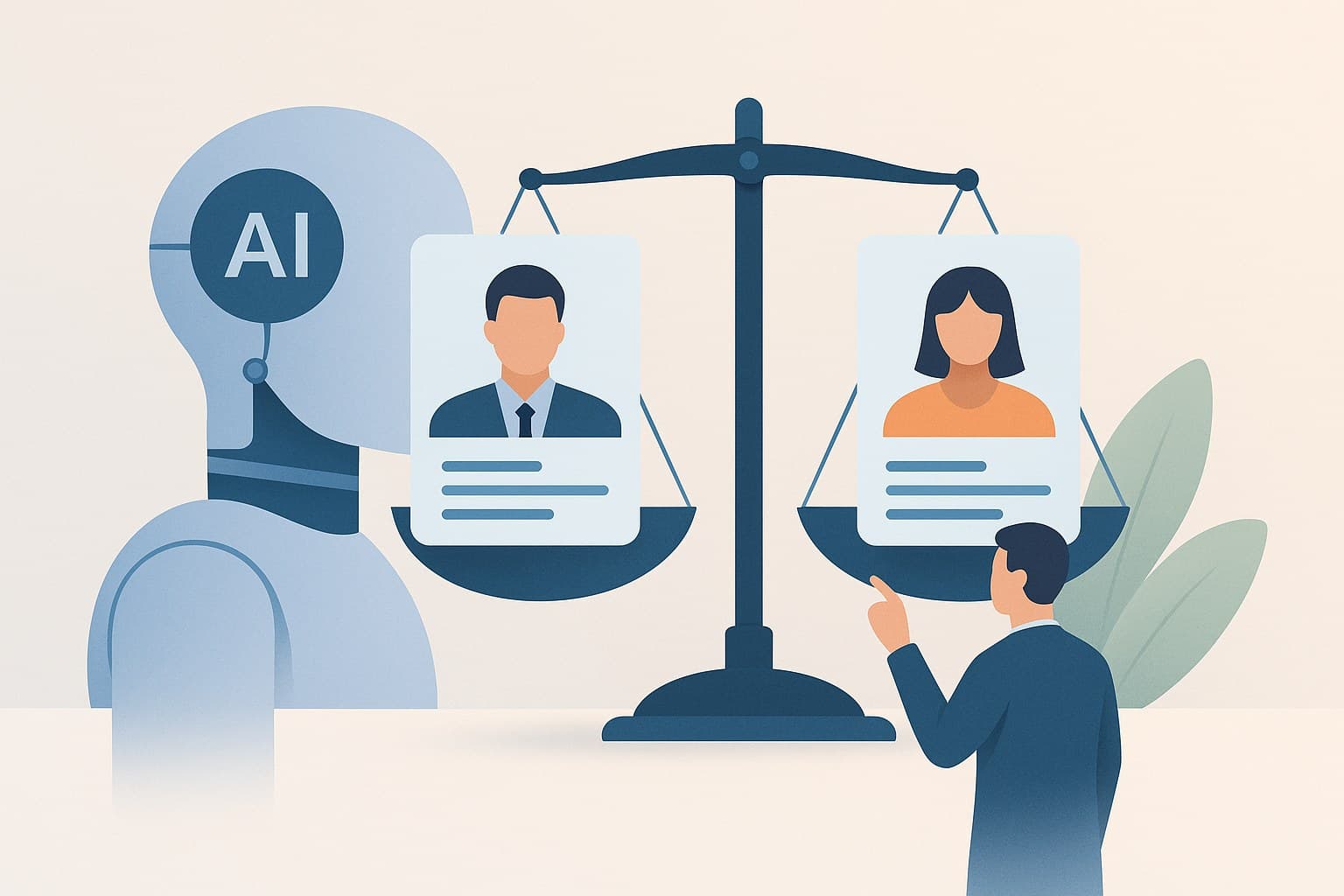
AI Hiring Fairness: Redefining the Recruitment Process
Artificial intelligence (AI) has become an integral part of our daily lives, from personalized recommendations on our social media feeds to voice assistants that can control our homes. However, the influence of AI goes beyond our personal lives and has made its way into the corporate world, particularly in the recruitment process. While AI promises to make hiring more efficient and unbiased, the reality is that it can perpetuate existing biases and create new ones. This has led to the emergence of a critical issue in the recruitment process - AI hiring fairness.
In this article, we will delve into the concept of AI hiring fairness, its challenges, and potential solutions, based on extensive research and insights from experts in the field.
Introduction: The Role of AI in Hiring
The use of AI in hiring has become increasingly popular in recent years, with companies implementing algorithms to screen resumes, conduct interviews, and make hiring decisions. This has been driven by the promise of objectivity and efficiency, as algorithms are believed to be free from human biases. However, the reality is quite different.
According to a study by MIT Sloan School of Management professor Emilio J. Castilla, algorithms can inherit the same biases as humans, and in some cases, even amplify them. Castilla argues that even though algorithms are designed to be objective, they are ultimately learning from human behavior, which is inherently biased.
The Problem with AI Hiring Fairness
The primary challenge with AI hiring fairness is the potential for algorithms to perpetuate systemic biases and discriminate against certain groups of people. This can be seen in the recruitment process, where algorithms can be trained on historical data that reflects traditional hiring practices, which may have been biased against certain demographics.
For instance, if the historical data used to train an algorithm shows a preference for male candidates, the algorithm may learn to favor male candidates, leading to a biased recruitment process that disadvantages women. This can result in a lack of diversity in the workplace, which has been proven to have negative impacts on a company's performance and culture.
Fairness Flavors: Understanding the Different Types of AI Bias
To address the issue of AI hiring fairness, it is crucial to understand the different types of biases that can be present in algorithms. Fairness in algorithmic hiring can be categorized into three main types: outcome fairness, process fairness, and representational fairness.
- Outcome Fairness: This refers to the fairness of the predictions made by an algorithm. It looks at whether the algorithm is accurately predicting the performance of candidates without bias. This type of fairness is often measured by the accuracy of the algorithm's predictions.
- Process Fairness: This type of fairness focuses on the fairness of the recruitment process itself. It looks at whether the process is free from bias and discrimination, and whether all candidates have an equal opportunity to be evaluated.
- Representational Fairness: This type of fairness addresses the fairness of the data used to train the algorithm. It looks at whether the data is diverse and representative of the population it is meant to serve.
To ensure AI hiring fairness, all three types of fairness must be considered and addressed in the development and implementation of algorithms.
Solutions for AI Hiring Fairness
The issue of AI hiring fairness is complex and requires a multi-faceted approach to be effectively addressed. Companies and researchers have proposed various solutions that can help mitigate bias in AI algorithms and promote fairness in the recruitment process. Some of these solutions include:
- Diverse and Representative Data: To address representational fairness, it is crucial to have diverse and representative data sets. This can be achieved by gathering data from a diverse group of people and ensuring that the data is free from any biases.
- Transparency and Auditability: Companies should be transparent about the use of algorithms in their recruitment process and provide candidates with the opportunity to review and challenge the decisions made by algorithms. This can help identify and address any biases in the algorithm.
- Monitoring and Evaluation: Regular monitoring and evaluation of AI algorithms can help identify and address any biases that may arise. This can be done by continuously testing the algorithm's predictions and ensuring that they are fair and unbiased.
- Human Oversight: Human oversight is crucial in the development and implementation of AI algorithms. While algorithms can help streamline the recruitment process, they should not replace human judgment. Companies should have human recruiters involved in the hiring process to ensure fairness and to intervene if the algorithm shows any signs of bias.
Conclusion: Striving Towards Fairness in AI Hiring
AI has undoubtedly transformed the recruitment process, but it has also brought to light the issue of AI hiring fairness. As companies continue to embrace AI in their hiring processes, it is crucial to ensure that algorithms are developed and implemented in a way that promotes fairness and diversity.
By understanding the different types of bias and implementing solutions to mitigate them, we can create a more equitable and inclusive recruitment process that benefits both companies and job seekers. It is up to companies and researchers to work together to build fairer AI systems that can help create a more diverse and inclusive workforce for the future.
Frequently Asked Questions
Key questions often raised by business leaders and HR teams:
What is AI hiring fairness?
AI hiring fairness refers to the efforts to ensure that algorithms used in recruitment do not perpetuate existing biases and promote equity among candidates.
How can companies address bias in AI hiring?
Companies can address bias by using diverse datasets, ensuring transparency in algorithm use, and involving human oversight in the hiring process.
What are the types of fairness in AI hiring?
The three main types of fairness are outcome fairness, process fairness, and representational fairness, each focusing on different aspects of bias in recruitment.
Why is diversity important in hiring?
Diversity in hiring leads to a more inclusive workplace, which has been shown to improve company performance and culture.