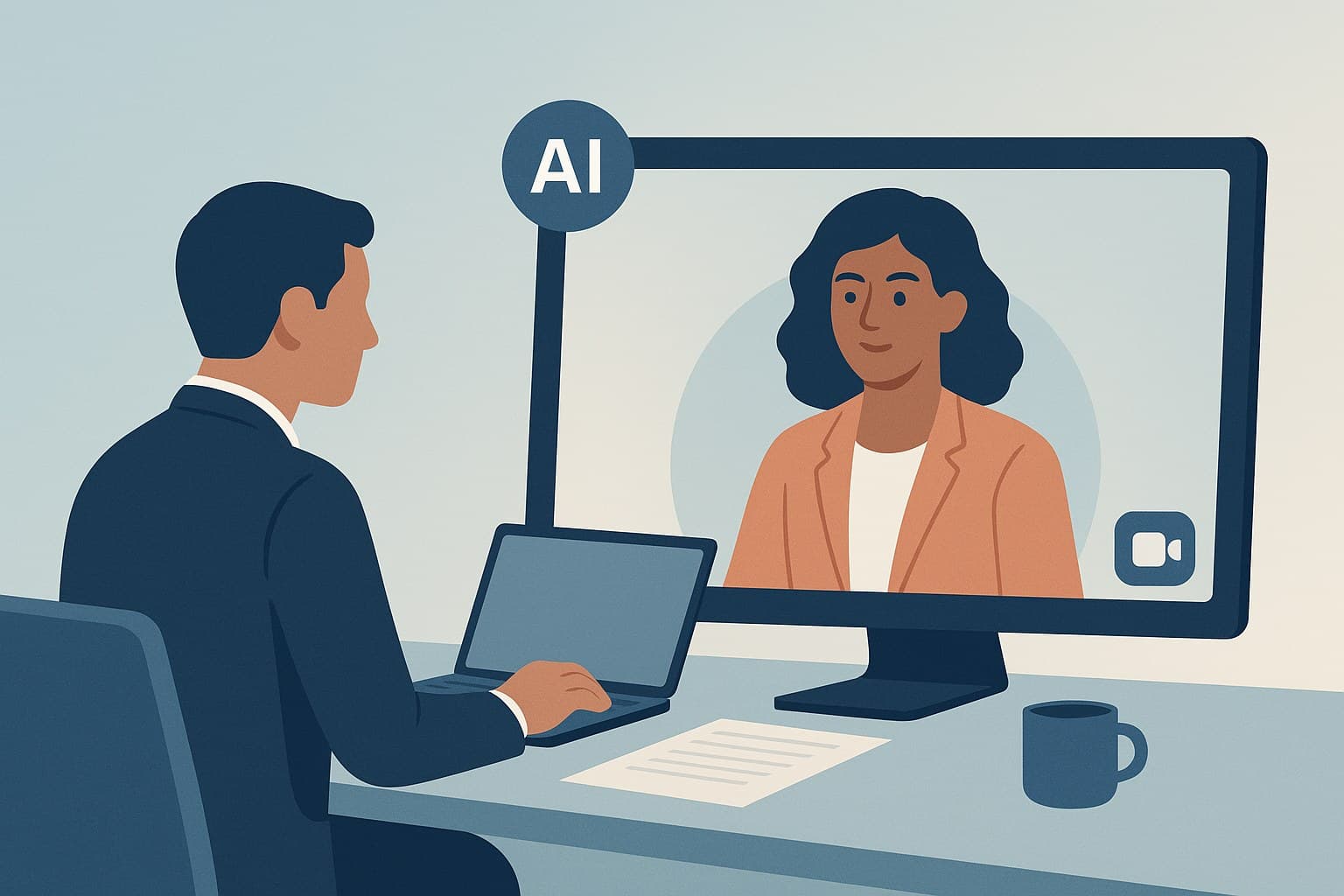
Navigating AI in Hiring: An Essential Playbook for Business Leaders and HR Executives
In the rapidly evolving landscape of technology, Artificial Intelligence (AI) has emerged as a transformative force, reshaping various facets of business operations, including the recruitment process. For business leaders and HR executives, leveraging AI in hiring presents both unprecedented opportunities and significant challenges. The key to unlocking the potential of AI in recruitment lies in a comprehensive understanding and strategic implementation, guided by an AI hiring audit playbook.
Understanding the AI Hiring Landscape
AI technologies in recruitment are designed to streamline and enhance the hiring process through automation and data-driven insights. From screening resumes to conducting preliminary interviews, AI systems can expedite the hiring process, reduce biases, and improve candidate matching. However, the deployment of AI in recruitment requires careful consideration to ensure ethical practices, compliance with legal standards, and alignment with organizational goals.
The Importance of an AI Hiring Audit
An AI hiring audit is a systematic evaluation of AI technologies used in the recruitment process. It focuses on assessing the effectiveness, fairness, and compliance of AI systems. For HR leaders, conducting regular audits is crucial to identify potential risks, optimize AI tools, and maintain trust among stakeholders. Here are the core components of an AI hiring audit playbook:
-
Defining Objectives and Metrics
The first step in the audit process is to clearly define the objectives of using AI in hiring. This involves setting measurable goals, such as reducing time-to-hire, enhancing candidate experience, or increasing diversity in hiring. Metrics should be established to evaluate the performance of AI tools against these objectives. Common metrics include accuracy in candidate matching, reduction in bias, and user satisfaction.
-
Evaluating Data Quality and Sources
AI systems rely heavily on data inputs to function effectively. It is essential to assess the quality and sources of data used in AI-driven recruitment processes. Ensuring that data is accurate, relevant, and free from biases is crucial. This includes evaluating historical hiring data, resumes, and job descriptions for potential biases that could skew AI outcomes.
-
Assessing Algorithmic Fairness
Algorithmic fairness is a critical aspect of AI in hiring. Auditing algorithms involves scrutinizing them for biases that may disadvantage certain groups. Techniques such as bias detection tools and fairness testing can be employed to identify and mitigate biases. Regular updates and retraining of algorithms are necessary to adapt to changing data landscapes and organizational needs.
-
Compliance and Ethical Considerations
Compliance with legal standards and ethical guidelines is non-negotiable. An AI hiring audit should include a thorough review of compliance with regulations such as GDPR, EEOC guidelines, and other relevant laws. Ethical considerations involve ensuring transparency in AI decision-making processes and maintaining accountability for AI-driven outcomes.
-
Evaluating User Experience
The effectiveness of AI in hiring is also determined by the experience of users—both candidates and HR professionals. Gathering feedback from users can provide valuable insights into the usability and impact of AI tools. Enhancements based on user feedback can lead to improved satisfaction and trust in AI systems.
-
Continuous Monitoring and Improvement
An AI hiring audit is not a one-time exercise; it requires continuous monitoring and improvement. Establishing a framework for ongoing evaluation and adjustment of AI tools ensures that they remain effective and aligned with organizational goals. Regular audits help in identifying emerging risks and adapting to technological advancements.
Strategic Implementation of AI in Hiring
For business leaders and HR executives, the strategic implementation of AI in hiring involves a holistic approach that integrates technology with human oversight. Here are some strategies to consider:
-
Collaborative Approach: Involve stakeholders from various departments, including IT, legal, and diversity teams, in the AI deployment process. A collaborative approach ensures comprehensive insights and balanced decision-making.
-
Training and Education: Equip HR teams with the knowledge and skills needed to effectively use AI tools. Training programs should focus on understanding AI capabilities, interpreting AI insights, and ethical considerations.
-
Pilot Programs: Before full-scale implementation, consider running pilot programs to test AI tools in controlled environments. Pilots can provide valuable data and insights to refine AI strategies and minimize risks.
-
Transparency and Communication: Maintain transparency with candidates and employees regarding the use of AI in hiring. Clear communication about AI processes and decision-making builds trust and acceptance.
-
Feedback Mechanisms: Establish feedback mechanisms for continuous improvement. Encourage candidates and employees to share their experiences and suggestions for enhancing AI-driven recruitment processes.
Conclusion
Incorporating AI into the hiring process is not just about adopting new technologies; it's about transforming recruitment strategies to achieve greater efficiency, fairness, and inclusivity. For business leaders and HR executives, the AI hiring audit playbook serves as a vital tool to navigate the complexities of AI in recruitment. By conducting thorough audits, aligning AI tools with organizational objectives, and fostering a culture of continuous improvement, organizations can harness the power of AI to build diverse and high-performing teams. Embracing AI in hiring is not merely a technological shift; it's a strategic advantage in the competitive landscape of talent acquisition.
Frequently Asked Questions
Key questions often raised by business leaders and HR teams:
What is an AI hiring audit?
An AI hiring audit is a systematic evaluation of AI technologies used in recruitment to assess their effectiveness, fairness, and compliance.
Why is algorithmic fairness important in hiring?
Algorithmic fairness ensures that AI systems do not disadvantage certain groups, promoting equality and diversity in the hiring process.
How can businesses implement AI in hiring effectively?
Businesses can implement AI effectively by involving stakeholders, providing training, and maintaining transparency in AI processes.
What are the key components of an AI hiring audit?
Key components include defining objectives, evaluating data quality, assessing algorithmic fairness, ensuring compliance, and gathering user feedback.
How often should AI hiring audits be conducted?
AI hiring audits should be conducted regularly to ensure ongoing effectiveness, compliance, and to adapt to changes in technology and organizational goals.