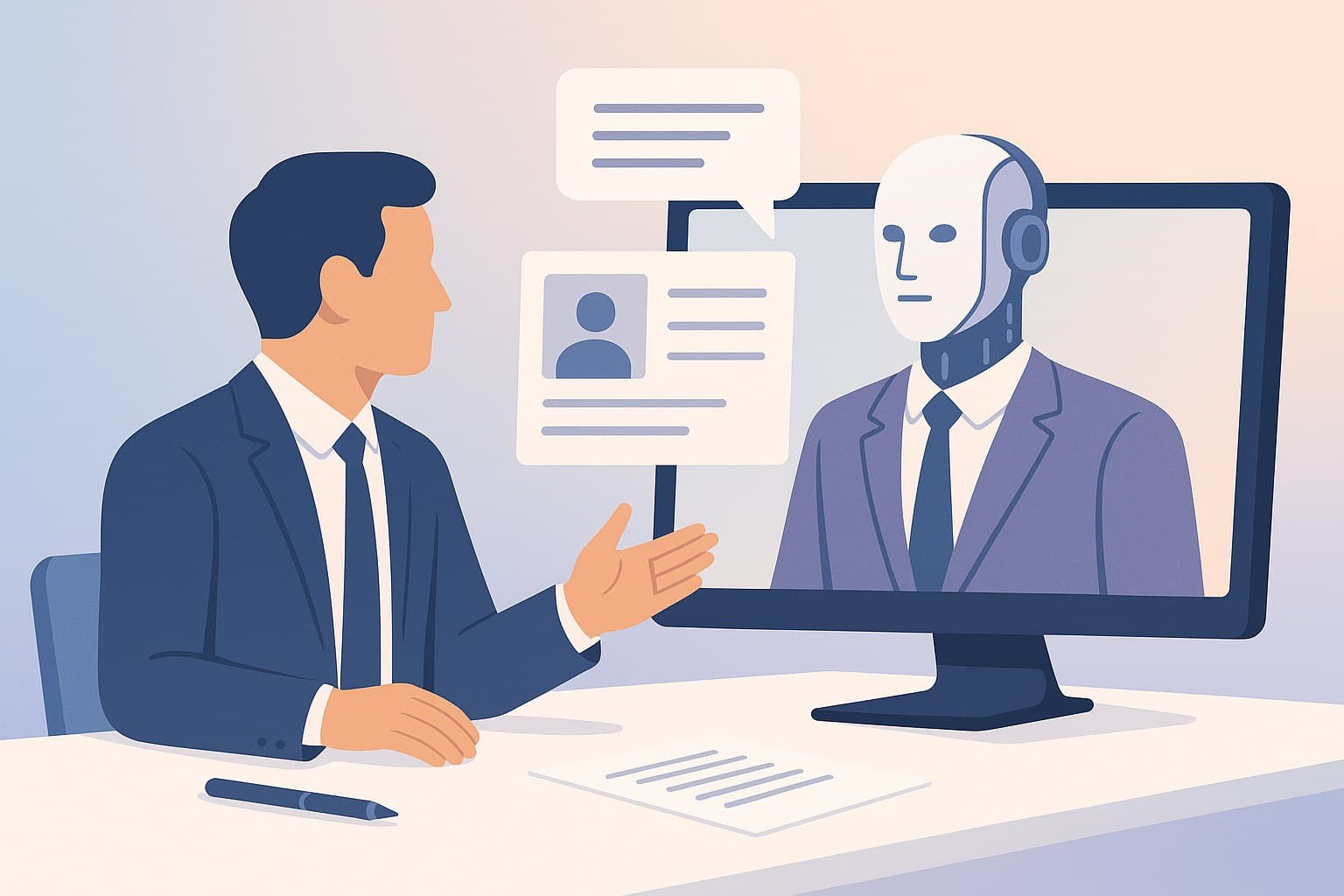
AI Hiring Policy Governance: Navigating the Intersection of Technology and Hiring
In recent years, the use of Artificial Intelligence (AI) in the hiring process has gained significant attention. Companies are turning to AI algorithms to streamline their recruitment process, reduce bias, and improve efficiency. However, with the rise of AI in hiring, there are growing concerns around its potential impact on job seekers and the need for proper governance and regulations.
In this article, we will delve into the world of AI hiring policy governance, exploring its key insights and implications for businesses and job seekers alike.
What is AI Hiring Policy Governance?
AI hiring policy governance refers to the rules, regulations, and guidelines that govern the use of AI in the hiring process. With the increasing adoption of AI in recruitment, there is a need for responsible and ethical use of this technology. Without proper governance, AI can perpetuate biases, discriminate against certain groups, and lead to unfair hiring practices.
For that reason, many regulations, including the EU AI Act, Colorado AI Act SB 205, NYC LL144, and the UK's Equality Act, have been introduced to address the potential risks associated with AI in hiring. These regulations aim to ensure that AI is used in a fair and transparent manner and does not discriminate against any group of job seekers.
The Impact of AI on Hiring Practices
AI in hiring has the potential to revolutionize the recruitment process by automating tasks, reducing bias, and increasing efficiency. However, it also comes with its own set of challenges and concerns.
Automation and Efficiency
The use of AI in hiring can automate tasks such as resume screening, scheduling interviews, and even conducting initial interviews. This can save recruiters a significant amount of time, allowing them to focus on more critical tasks. AI algorithms can also analyze a large number of resumes and identify the most qualified candidates, thereby increasing the efficiency of the recruitment process.
Bias and Discrimination
One of the most significant concerns around AI hiring is its potential to perpetuate biases and discriminate against certain groups. AI algorithms are trained on historical data, and if this data is biased, the algorithm will also learn and replicate this bias. For example, if a company's past hiring practices have been biased towards a certain group, the AI algorithm will continue to prioritize candidates from that group.
Furthermore, AI algorithms are not immune to human biases. If the data used to train the algorithm is biased, it can lead to biased hiring decisions. This can result in discrimination against certain groups, such as women, people of color, and individuals with disabilities.
The Need for Proper Governance
With the potential risks associated with AI in hiring, there is a growing need for proper governance and regulations. Companies must ensure that their AI hiring processes are transparent, ethical, and fair. This not only benefits job seekers but also helps companies avoid legal consequences and maintain a positive reputation.
The EU AI Act
The EU AI Act, introduced in April 2021, aims to regulate the use of AI across various industries, including hiring. It prohibits the use of AI for automated decision-making that can significantly impact individuals, including job seekers. Companies must also ensure that their AI systems are explainable and transparent. This means that job seekers have the right to know how the AI algorithm made its decision, which data it used, and how it was trained.
Colorado AI Act SB 205
In June 2021, Colorado became the first state in the US to pass a law regulating the use of AI in hiring. SB 205 requires companies to disclose to job seekers if they are using AI in the hiring process and provide a job seeker with an opportunity to opt-out of the AI screening. Companies must also ensure that their AI systems do not discriminate against any protected classes under federal and state laws.
NYC LL144
In 2019, New York City passed the Local Law 144, which prohibits employers from using "automated decision systems" to evaluate job applicants. This includes AI algorithms, which must be disclosed to job seekers, along with the factors used to evaluate them. Employers must also provide job seekers with a written explanation of how the algorithm made its decision.
Best Practices for AI Hiring Policy Governance
Apart from adhering to regulations, companies can also adopt best practices to ensure responsible and ethical use of AI in hiring. These include:
- Regularly audit AI algorithms to identify and address any biases.
- Train AI algorithms on diverse and inclusive data sets to avoid perpetuating biases.
- Provide job seekers with a clear understanding of the AI hiring process and how their data will be used.
- Monitor the impact of AI on the hiring process and make necessary adjustments to ensure fairness.
- Create a diverse and inclusive hiring team to review AI hiring decisions and provide human oversight.
Conclusion
AI in hiring has the potential to revolutionize the recruitment process, but it also comes with its own set of challenges and concerns. To ensure fairness, transparency, and ethical use of AI, proper governance and regulations are necessary. Companies must adhere to these regulations and adopt best practices to mitigate the risks associated with AI in hiring. By doing so, they can create a fair and inclusive hiring process that benefits both job seekers and businesses.
Are you a recruiter looking to improve your hiring process? Check out EmployInc, our AI-powered platform that helps companies streamline their recruitment process while ensuring fairness and transparency. Schedule a demo today!
Frequently Asked Questions
Key questions often raised by business leaders and HR teams:
What is AI hiring policy governance?
AI hiring policy governance refers to the rules and guidelines that regulate the use of AI in the hiring process, ensuring ethical and fair practices.
How does AI impact hiring practices?
AI can automate tasks and improve efficiency in hiring, but it also poses risks of bias and discrimination if not managed properly.
What regulations exist for AI in hiring?
Key regulations include the EU AI Act, Colorado AI Act SB 205, and NYC LL144, all aimed at ensuring transparency and fairness in AI hiring practices.
What are best practices for AI hiring?
Best practices include auditing AI algorithms for bias, training on diverse data sets, and providing clear communication to job seekers about the AI process.
Why is proper governance important in AI hiring?
Proper governance helps prevent discrimination, maintains a company's reputation, and ensures a fair hiring process for all candidates.