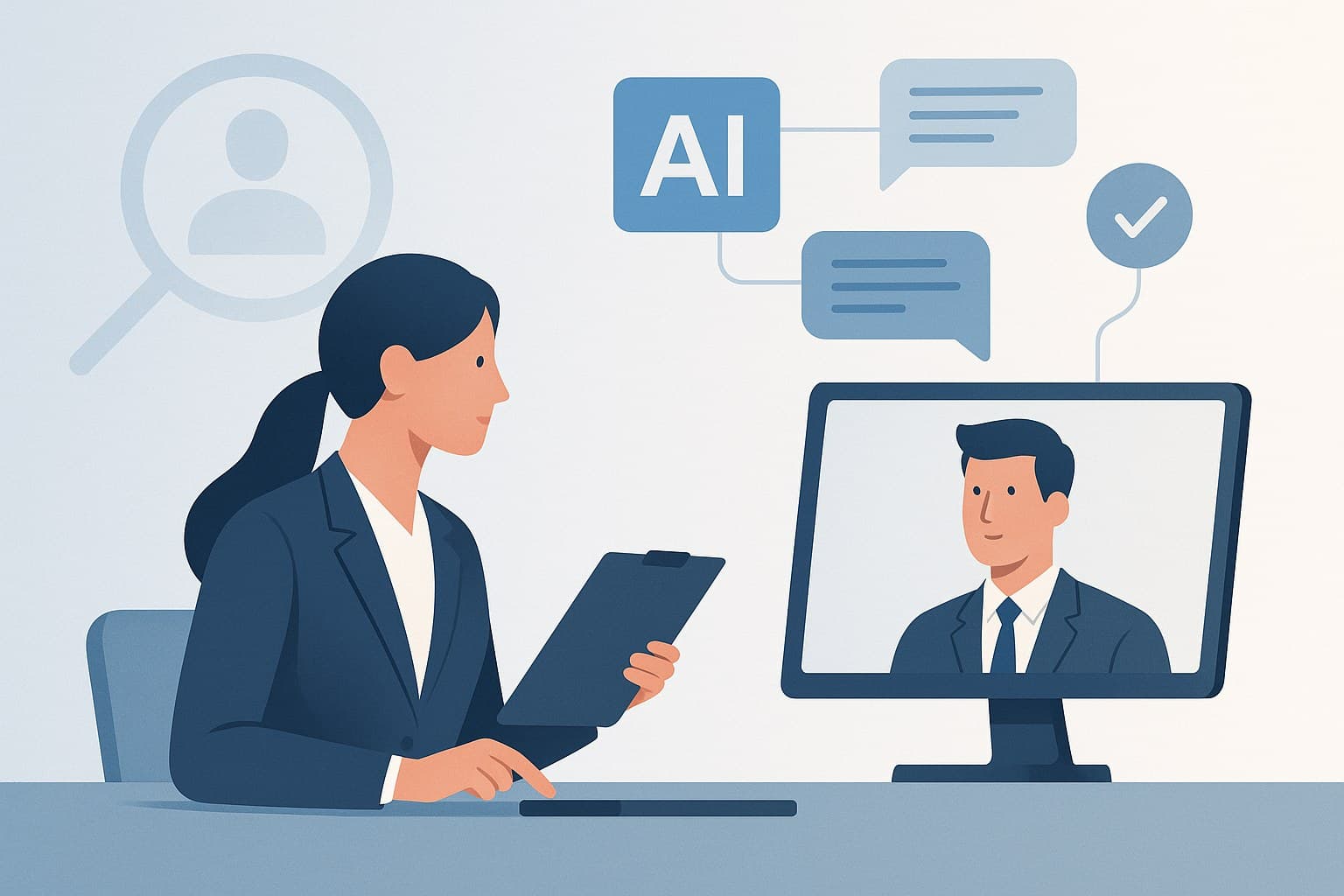
The Impact of AI Hiring TCO Model on Businesses: A Comprehensive Analysis
Understanding AI and its Role in Hiring
AI hiring TCO models are designed to streamline and optimize the hiring process by reducing the time and effort involved in manually going through resumes and conducting interviews. This not only saves time but also frees up HR personnel to focus on more critical tasks, ultimately leading to cost savings for businesses.
The AI Hiring TCO Model and its Implications
Designing for flow is crucial in controlling downstream costs in the AI hiring TCO model. This means taking into consideration all potential roadblocks and challenges that may arise during the hiring process and implementing solutions to address them. This could include having a contingency plan for data fixes or having a team dedicated to handling any technical issues that may arise.
The Impact of AI on the Hiring Process
The use of AI in the hiring process has been a game-changer for businesses, especially in terms of time and cost savings. AI programs can screen resumes and conduct initial interviews at a much faster rate than humans, allowing businesses to fill positions quickly and efficiently. This is particularly beneficial for high-volume hiring, where a large number of candidates need to be screened.
Conclusion: The Future of AI in Hiring
In conclusion, the use of AI in the recruitment process has proven to be beneficial for businesses, leading to time and cost savings, increased efficiency, and reduced bias. The AI hiring TCO model has also been instrumental in optimizing the hiring process, but it is crucial to consider potential roadblocks and design for flow to control downstream costs.
Businesses must carefully choose the right AI hiring platform that aligns with their specific needs and goals to ensure the success of the AI hiring TCO model. As technology continues to advance, it is inevitable that the use of AI in hiring will become more prevalent, and businesses that embrace this change will have a competitive advantage in the job market.
If you are considering implementing an AI hiring TCO model for your business, we recommend conducting thorough research and consulting with experts to determine the best approach for your organization. With the right strategies and tools in place, AI can revolutionize the hiring process and bring significant benefits to businesses of all sizes. You can learn more about AI hiring TCO models and other solutions by visiting our website.
Frequently Asked Questions
Key questions often raised by business leaders and HR teams:
What is the AI hiring TCO model?
The AI hiring TCO model accounts for all costs associated with hiring, including software, hardware, and personnel expenses.
How does AI improve the hiring process?
AI automates tasks like resume screening and interviews, significantly speeding up the recruitment process and reducing bias.
What should businesses consider when choosing an AI hiring platform?
Businesses should evaluate platforms based on their unique needs, features, and the potential for cost savings and efficiency improvements.
How can businesses prepare for the future of AI in hiring?
By conducting thorough research and consulting with experts, businesses can implement effective AI hiring strategies that align with their goals.