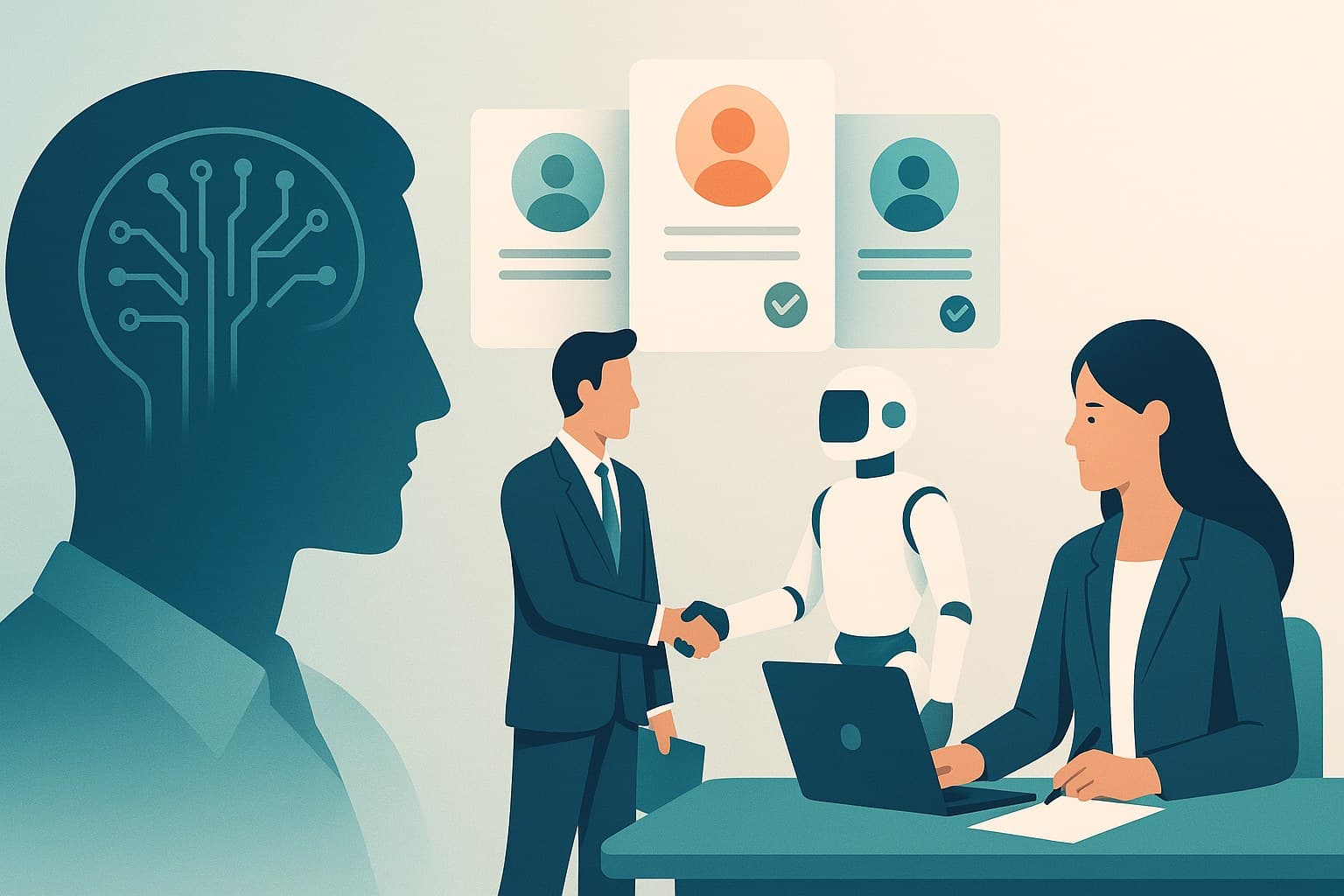
AI Hiring Threshold Validation: Building Evidence-Based Hiring Processes
In today's fast-paced business landscape, organizations are constantly seeking ways to streamline their hiring processes and find the best talent for their teams. With the rise of artificial intelligence (AI) in recruitment, there has been a growing concern around the need for validation of these tools. This is where AI hiring threshold validation comes into play.
AI hiring threshold validation is the process of ensuring that AI tools used for recruitment are effective, unbiased, and reliable. It involves building evidence-based hiring processes that can withstand scrutiny and produce fair and accurate results. In this article, we will explore the importance of AI hiring threshold validation, how it can be achieved, and its impact on the hiring process.
The Rise of AI in Hiring
AI has become increasingly popular in the hiring process due to its ability to analyze large sets of data and make predictions based on patterns and algorithms. This has led to the development of AI tools for various stages of recruitment, including resume screening, candidate sourcing, and even video interviews.
The Need for AI Hiring Threshold Validation
One of the main concerns with using AI in recruitment is the potential for bias. AI tools are trained on data sets that may contain inherent biases, leading to biased hiring decisions. For example, if a company's past hiring decisions have been biased towards a particular gender or race, the AI tool may learn and replicate these biases.
Another concern is the lack of transparency and explainability of AI algorithms. Unlike human recruiters, AI algorithms do not have the ability to explain the reasoning behind their decisions. This can lead to legal and ethical issues, especially if an AI tool rejects a candidate for reasons that cannot be justified.
To address these concerns, it is crucial to validate AI tools used in the hiring process. This involves building evidence-based hiring processes that can withstand scrutiny and produce fair and accurate results.
Building Evidence-Based Hiring Processes
Building evidence-based hiring processes involves several key steps:
Hire a Validation Pod, Not a Unicorn
To effectively validate AI tools, it is essential to have a team with diverse expertise. This includes data scientists, industrial-organizational psychologists, and HR professionals. Each member brings a unique perspective and skill set to the table, ensuring a comprehensive and thorough validation process.
Identify Key Performance Indicators (KPIs)
Before validating an AI tool, it is crucial to identify the key performance indicators (KPIs) that will be used to measure its effectiveness. These KPIs can vary depending on the job role, but generally include metrics such as accuracy, fairness, and predictive validity.
Test the AI Tool on Diverse Data Sets
To ensure that an AI tool is not biased, it is crucial to test it on diverse data sets. This includes data from different genders, races, and backgrounds. This will help identify any biases and allow for adjustments to be made before the tool is used in the hiring process.
Monitor and Update the Tool Regularly
AI tools are not a one-time solution. They require constant monitoring and updating to ensure they remain effective and unbiased. This involves regularly reviewing the data sets used to train the AI tool and making adjustments as needed.
Impact on the Hiring Process
Validating AI tools used in the hiring process has a significant impact on the overall process. It ensures that the tools are reliable and accurate, leading to better hiring decisions. It also helps reduce the risk of legal and ethical issues and promotes diversity and inclusion in the workplace.
Moreover, a validated AI tool can save time and resources in the hiring process by efficiently screening resumes and identifying top candidates. This allows recruiters to focus on other aspects of the hiring process, such as interviewing and onboarding.
Conclusion
As AI continues to play a significant role in the hiring process, it is crucial to validate these tools to ensure they are effective and unbiased. Building evidence-based hiring processes, hiring a diverse validation team, and regularly monitoring and updating AI tools are key steps in achieving this.
Organizations that invest in AI hiring threshold validation will not only benefit from more accurate and reliable hiring decisions but also create a more diverse and inclusive workplace. With the right approach to validating AI tools, organizations can streamline their hiring processes and find the best talent for their teams.
If you are considering implementing AI in your hiring process, be sure to prioritize validation to ensure the effectiveness and fairness of your tools.
Frequently Asked Questions
Key questions often raised by business leaders and HR teams:
What is AI hiring threshold validation?
AI hiring threshold validation is the process of ensuring that AI tools used in recruitment are effective, unbiased, and reliable.
Why is it important to validate AI hiring tools?
Validating AI hiring tools helps to prevent bias in hiring decisions and ensures that the tools produce fair and accurate results.
How can organizations build evidence-based hiring processes?
Organizations can build evidence-based hiring processes by hiring a diverse validation team, identifying key performance indicators, and testing AI tools on diverse data sets.
What are the benefits of validating AI tools in recruitment?
Validating AI tools leads to better hiring decisions, reduces legal risks, and promotes a more diverse and inclusive workplace.
How often should AI hiring tools be monitored and updated?
AI hiring tools should be regularly monitored and updated to ensure they remain effective and unbiased, with adjustments made as needed.