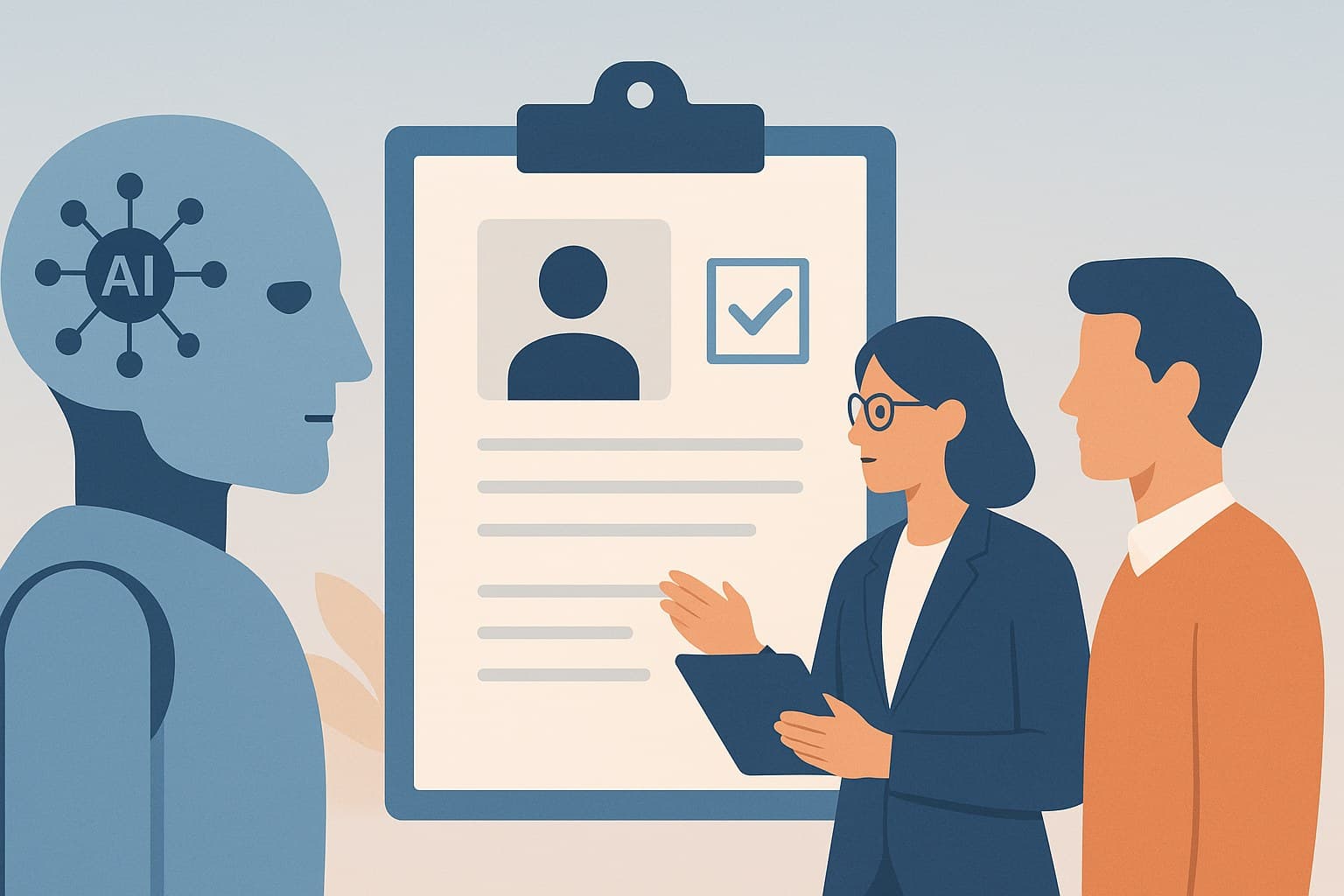
Navigating Vendor Lock-In and Data Portability in AI Hiring Contracts: A Guide for Business Decision Makers and HR Leaders
In the rapidly evolving landscape of artificial intelligence, businesses are increasingly relying on AI-driven solutions to enhance their recruitment processes. These technologies promise efficiency, reduced bias, and improved candidate matching. However, as organizations integrate AI solutions into their hiring processes, they encounter critical considerations around vendor lock-in and data portability. For business decision-makers and HR leaders, understanding these concepts is essential to making informed choices that align with long-term strategic goals.
Understanding Vendor Lock-In
Vendor lock-in occurs when a company becomes overly dependent on a single vendor for products or services, making it challenging to switch to another provider without incurring significant costs or operational disruptions. In the context of AI hiring solutions, this can manifest in several ways:
-
Proprietary Data Formats: Vendors may use proprietary data formats that are incompatible with other systems. This means that if you want to switch vendors, you may face difficulties in transferring your historical data.
-
Customized Integrations: Many AI hiring platforms offer customized integrations with your existing HR systems. While these can be beneficial, they can also create dependencies that complicate transitions to other vendors.
-
Long-Term Contracts: Vendors may require long-term contracts that lock businesses into their services for extended periods, limiting flexibility and negotiation power.
-
Limited Interoperability: Some AI solutions lack interoperability with other systems, making it difficult to adopt a multi-vendor strategy or integrate new technologies.
The Importance of Data Portability
Data portability refers to the ability to easily transfer data from one system to another. In the context of AI hiring, it ensures that your organization can move its recruitment data — including candidate profiles, assessment results, and hiring analytics — between different platforms without losing integrity or value. Data portability is crucial for several reasons:
- Flexibility: It allows organizations to switch vendors more easily, fostering competition and innovation among solution providers.
- Cost-Effectiveness: Reducing the friction and cost associated with transferring data can lead to more competitive pricing and improved service offerings.
- Data Ownership: Ensuring data portability reinforces the principle that businesses own their data and can control its use and storage.
Strategies for Mitigating Vendor Lock-In and Ensuring Data Portability
To navigate these challenges effectively, business decision-makers and HR leaders can adopt several strategies:
-
Conduct Thorough Vendor Assessments: Before entering into a contract, evaluate potential vendors based on their data portability features and the likelihood of vendor lock-in. Consider their track record, client reviews, and the flexibility of their solutions.
-
Negotiate Contract Terms: Work with your legal team to negotiate terms that protect your organization's interests. This might include clauses on data portability, termination rights, and penalties for non-compliance with agreed standards.
-
Prioritize Open Standards: When selecting AI hiring solutions, prioritize vendors that use open standards and interoperable technologies. This approach reduces the risk of lock-in and facilitates easier integration with other systems.
-
Develop a Data Migration Plan: Create a comprehensive plan for data migration that includes timelines, risk assessments, and resource allocation. This plan should be revisited regularly to accommodate changes in vendor offerings or organizational needs.
-
Invest in Vendor Management: Building strong relationships with vendors can lead to better service and more favorable terms. Regularly review vendor performance and hold them accountable to contractual obligations.
-
Empower Your IT Team: Ensure that your IT team has the skills and resources needed to manage integration and migration processes effectively. Providing training on the latest data standards and interoperability protocols can be beneficial.
The Role of Regulation and Industry Standards
Regulatory frameworks and industry standards are playing an increasingly important role in addressing issues of vendor lock-in and data portability. Regulations like the General Data Protection Regulation (GDPR) in Europe emphasize data portability as a fundamental right, encouraging businesses to adopt practices that facilitate easy data transfer. Similarly, industry bodies are developing standards to ensure interoperability and data exchange between different AI systems.
Conclusion
As AI continues to transform the hiring landscape, business decision-makers and HR leaders must remain vigilant about the risks of vendor lock-in and the importance of data portability. By adopting strategic approaches to vendor selection, contract negotiation, and data management, organizations can harness the benefits of AI while maintaining flexibility and control over their recruitment data. This proactive stance not only safeguards against future disruptions but also positions businesses to leverage AI innovations effectively, ensuring a competitive edge in the talent market.
Frequently Asked Questions
Key questions often raised by business leaders and HR teams:
What is vendor lock-in in AI hiring?
Vendor lock-in occurs when a company becomes overly dependent on a single vendor, making it difficult to switch providers without incurring costs or disruptions.
Why is data portability important in recruitment?
Data portability allows organizations to easily transfer recruitment data between platforms, ensuring flexibility, cost-effectiveness, and data ownership.
How can businesses mitigate vendor lock-in?
Businesses can mitigate vendor lock-in by conducting thorough vendor assessments, negotiating favorable contract terms, and prioritizing open standards.
What role do regulations play in data portability?
Regulations like GDPR emphasize data portability as a fundamental right, encouraging businesses to adopt practices that facilitate easy data transfer.
How can organizations ensure data migration success?
Organizations should develop a comprehensive data migration plan that includes timelines, risk assessments, and regular reviews to accommodate changes.