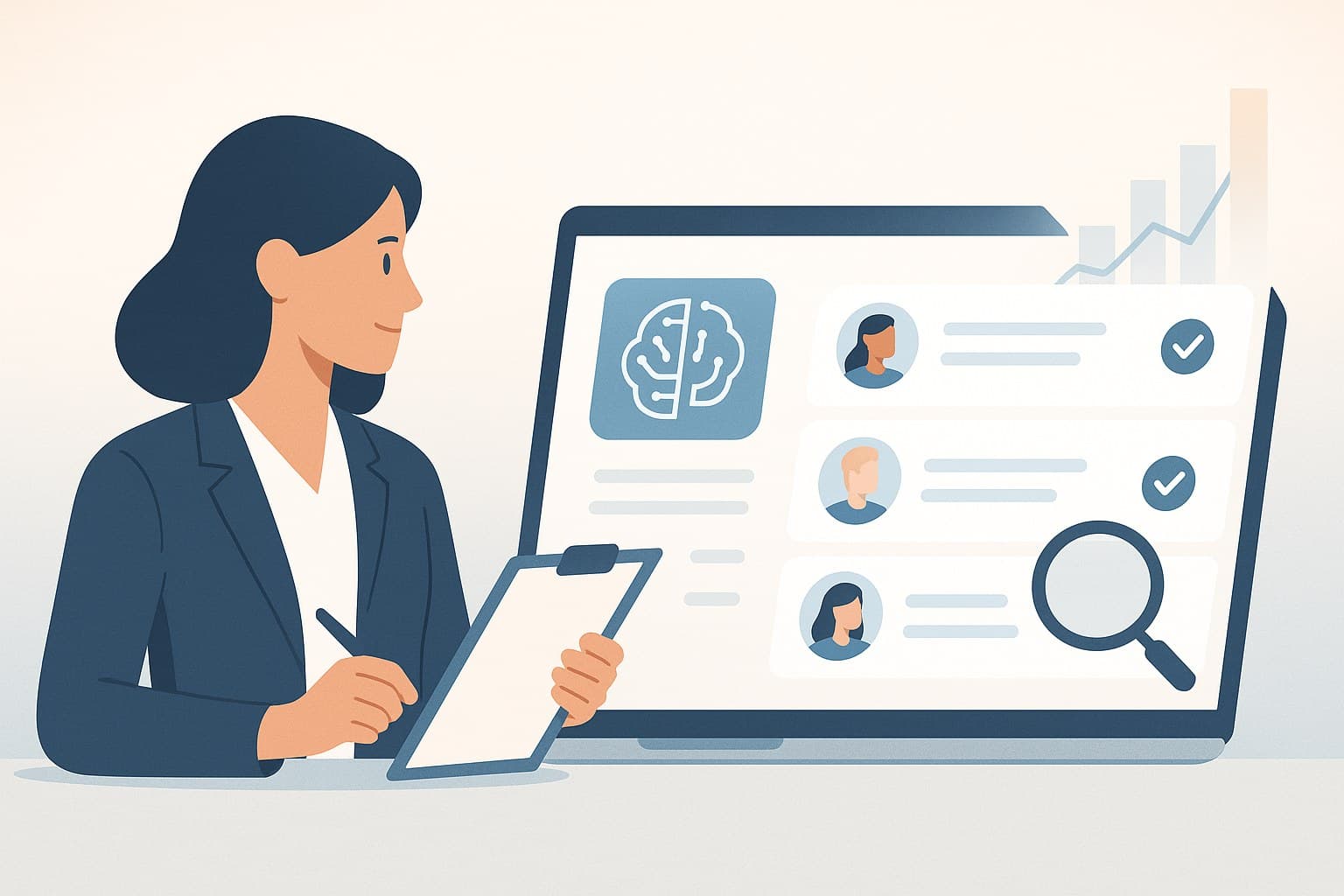
Title: Harnessing AI in Procurement: A Business Case for Decision Makers and HR Leaders
Introduction
In the rapidly evolving business landscape, organizations are constantly on the lookout for innovative strategies to gain a competitive edge. One area ripe for transformation is the procurement process, which can significantly benefit from the integration of artificial intelligence (AI). This article explores the potential of AI in procurement, presenting a compelling business case for decision makers and HR leaders to consider its adoption.
Understanding AI in Procurement
AI in procurement involves utilizing advanced technologies such as machine learning, natural language processing, and data analytics to streamline and enhance various procurement activities. From sourcing and supplier management to contract negotiation and risk assessment, AI offers a range of applications that can improve efficiency, reduce costs, and drive strategic decision-making.
Benefits of AI in Procurement
-
Cost Reduction and Efficiency: AI can automate routine tasks such as purchase order processing, invoice management, and inventory control. This not only reduces the time and resources required but also minimizes human errors, leading to significant cost savings.
-
Data-Driven Decision Making: AI systems can analyze vast amounts of data to provide insights into spending patterns, supplier performance, and market trends. This enables procurement teams to make informed decisions, optimize supplier selection, and negotiate better contracts.
-
Risk Management: AI tools can assess supplier risk by monitoring financial stability, compliance records, and geopolitical factors. This proactive approach helps organizations mitigate potential disruptions and ensure a resilient supply chain.
-
Supplier Relationship Management: AI can enhance supplier relationship management by providing real-time insights into supplier performance and facilitating more effective communication. This fosters collaboration and drives mutual growth.
-
Strategic Sourcing: AI algorithms can identify the best sourcing strategies by analyzing factors such as price fluctuations, demand forecasts, and supplier capabilities. This allows procurement teams to align sourcing decisions with organizational goals.
Challenges and Considerations
While the benefits of AI in procurement are clear, there are several challenges and considerations that organizations must address:
-
Data Quality and Integration: The effectiveness of AI depends on the quality of the data it processes. Ensuring data accuracy, consistency, and integration across systems is crucial for successful AI implementation.
-
Change Management: Introducing AI requires a cultural shift within the organization. Decision makers and HR leaders must champion change management initiatives to ensure buy-in from employees and stakeholders.
-
Skill Development: As AI automates routine tasks, the role of procurement professionals will evolve. Organizations must invest in upskilling employees to equip them with the competencies needed to leverage AI tools effectively.
-
Ethical Considerations: AI systems must be designed and implemented ethically, ensuring transparency, fairness, and accountability in decision-making processes.
The Role of HR Leaders
HR leaders play a pivotal role in the successful integration of AI in procurement. They are tasked with managing the human element of this transformation, ensuring that employees are prepared and equipped for the change. Key responsibilities include:
-
Talent Management: HR must identify and recruit individuals with the skills necessary to navigate the AI-driven procurement landscape. This includes data analysts, AI specialists, and strategic thinkers.
-
Training and Development: HR should design training programs to enhance employees' digital literacy and AI competencies. Continuous learning opportunities will help employees adapt to new technologies and processes.
-
Change Advocacy: HR leaders must act as change advocates, communicating the benefits of AI adoption to employees and addressing any concerns or resistance. Building a culture of innovation is essential for smooth implementation.
-
Performance Measurement: As procurement processes transform, HR must redefine performance metrics to align with AI-driven objectives. This involves setting new KPIs that reflect efficiency, innovation, and strategic outcomes.
Conclusion
The integration of AI in procurement offers a transformative opportunity for organizations to enhance efficiency, drive cost savings, and make strategic decisions. However, successful implementation requires a collaborative effort between decision makers and HR leaders. By addressing challenges, investing in skills development, and fostering a culture of innovation, organizations can harness the full potential of AI in procurement.
For decision makers and HR leaders, the business case for AI in procurement is compelling. Embracing this technology not only positions organizations for future success but also empowers employees to thrive in an increasingly digital world. As AI continues to evolve, its role in procurement will undoubtedly expand, offering even greater opportunities for those ready to seize them.
Frequently Asked Questions
Key questions often raised by business leaders and HR teams:
What are the main benefits of AI in procurement?
AI in procurement offers benefits such as cost reduction, improved efficiency, data-driven decision making, and enhanced supplier relationship management.
How can organizations overcome challenges in AI implementation?
Organizations can address challenges by ensuring data quality, managing change effectively, investing in skill development, and adhering to ethical considerations.
What role do HR leaders play in AI adoption?
HR leaders are crucial in managing the human aspect of AI integration, including talent management, training, and fostering a culture of innovation.
Why is data quality important for AI in procurement?
Data quality is vital because AI's effectiveness relies on accurate and consistent data to produce reliable insights and drive decision-making.
What skills should procurement professionals develop for AI integration?
Procurement professionals should focus on developing skills in data analysis, digital literacy, and understanding AI tools to adapt to the evolving landscape.