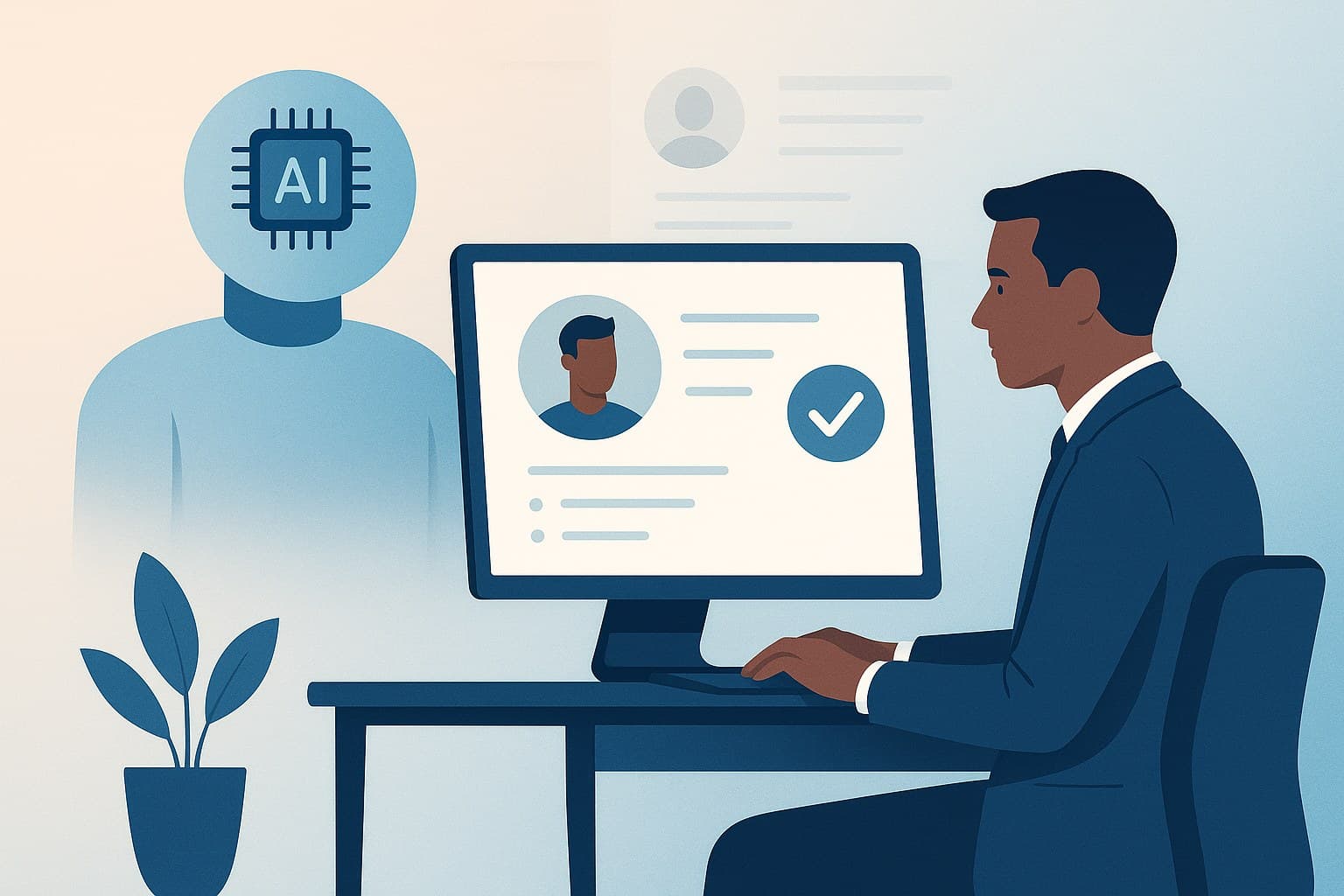
Leveraging AI in Recruitment: An Interview Case Study for Business Leaders and HR Executives
In today’s fast-paced business environment, staying ahead of the competition requires organizations to embrace innovative technologies. Among these, Artificial Intelligence (AI) has emerged as a transformative force, reshaping various sectors, including human resources. For business leaders and HR executives, understanding how to effectively integrate AI into recruitment processes is crucial. This article delves into an AI interview case study, highlighting its potential benefits, challenges, and strategic implementation within recruitment.
Understanding AI in Recruitment
AI in recruitment encompasses a range of technologies designed to streamline and enhance the hiring process. These technologies can include AI-driven algorithms for resume screening, chatbots for initial candidate interaction, and advanced data analytics for predicting candidate success. By automating repetitive tasks and providing data-driven insights, AI can help HR professionals focus on strategic decision-making and improve overall hiring efficiency.
Case Study Overview
Company Background:
TechSolutions Inc., a mid-sized technology company, faced challenges in recruiting skilled software developers. Despite investing heavily in traditional recruitment methods, the company struggled with lengthy hiring cycles and high turnover rates. To address these issues, TechSolutions decided to pilot an AI-driven recruitment system.
Objectives:
- Reduce time-to-hire.
- Improve candidate quality and fit.
- Enhance the candidate experience.
AI Implementation:
TechSolutions partnered with an AI recruitment platform that offered several features: AI-powered resume screening, automated interview scheduling, and a chatbot to engage with candidates. Additionally, the platform provided predictive analytics to assess candidate suitability based on historical hiring data.
Benefits Realized
-
Reduced Time-to-Hire:
The AI system significantly cut down the time spent on screening resumes. The algorithm efficiently filtered out unqualified candidates, allowing HR personnel to focus on top talent. As a result, the average time-to-hire decreased by 30%. -
Improved Candidate Quality:
Using predictive analytics, the AI platform identified candidates who not only possessed the necessary technical skills but also aligned with the company’s culture. This led to a 25% increase in successful hires, as measured by the candidates’ performance and retention rates within the first year. -
Enhanced Candidate Experience:
The AI-driven chatbot maintained constant communication with candidates, providing updates and answering queries. This engagement led to a 40% increase in candidate satisfaction scores, as candidates felt more informed and valued throughout the process.
Challenges and Considerations
Despite the positive outcomes, the implementation of AI in recruitment was not without challenges. TechSolutions encountered several hurdles:
-
Data Privacy Concerns:
Handling sensitive candidate data requires stringent data protection measures. Ensuring compliance with regulations like GDPR was crucial to maintain trust and avoid legal repercussions. -
Bias in AI Algorithms:
There was a concern about potential biases in AI algorithms. It was essential to regularly audit the AI system to ensure fairness and impartiality in candidate selection. -
Change Management:
Integrating AI into existing recruitment processes required a cultural shift within the HR department. Training and support were necessary to help staff adapt to the new technology and maximize its potential.
Strategic Implementation
For business leaders and HR executives considering AI in recruitment, a strategic approach is vital:
-
Define Clear Objectives:
Identify specific recruitment challenges and set measurable goals for AI implementation. This clarity will guide the selection of appropriate AI tools and metrics for success. -
Choose the Right Technology:
Evaluate AI platforms based on their features, scalability, and integration capabilities. A platform that aligns with your organization’s needs and existing systems will ensure smoother implementation. -
Focus on Data Integrity:
AI systems rely heavily on data. Ensure that the data used for training algorithms is accurate, diverse, and representative to minimize biases and enhance decision-making. -
Invest in Training:
Provide comprehensive training for HR staff to understand AI tools and their benefits. Encourage a culture of continuous learning to keep pace with technological advancements. -
Monitor and Evaluate:
Regularly assess the AI system’s performance against the defined objectives. Use feedback and data analytics to make informed adjustments and improvements.
Conclusion
The integration of AI in recruitment offers significant opportunities for organizations to enhance their hiring processes. As demonstrated by the TechSolutions case study, AI can lead to faster hiring, better candidate quality, and improved experiences for both candidates and HR professionals. However, successful implementation requires careful planning, attention to ethical considerations, and a commitment to ongoing evaluation and adaptation.
For business leaders and HR executives, embracing AI is not just about technology adoption; it’s about strategic transformation. By leveraging AI effectively, organizations can not only meet their current recruitment challenges but also position themselves for future success in an increasingly competitive talent landscape.
Frequently Asked Questions
Key questions often raised by business leaders and HR teams:
What are the benefits of using AI in recruitment?
AI can reduce time-to-hire, improve candidate quality, and enhance the overall candidate experience through automation and data-driven insights.
What challenges might organizations face when implementing AI in recruitment?
Challenges include data privacy concerns, potential biases in AI algorithms, and the need for change management within the HR department.
How can organizations ensure ethical AI use in recruitment?
Regular audits of AI systems, ensuring data integrity, and providing staff training can help maintain fairness and transparency in candidate selection.
What should HR leaders consider before implementing AI in recruitment?
HR leaders should define clear objectives, choose the right technology, focus on data integrity, and invest in training for their teams.