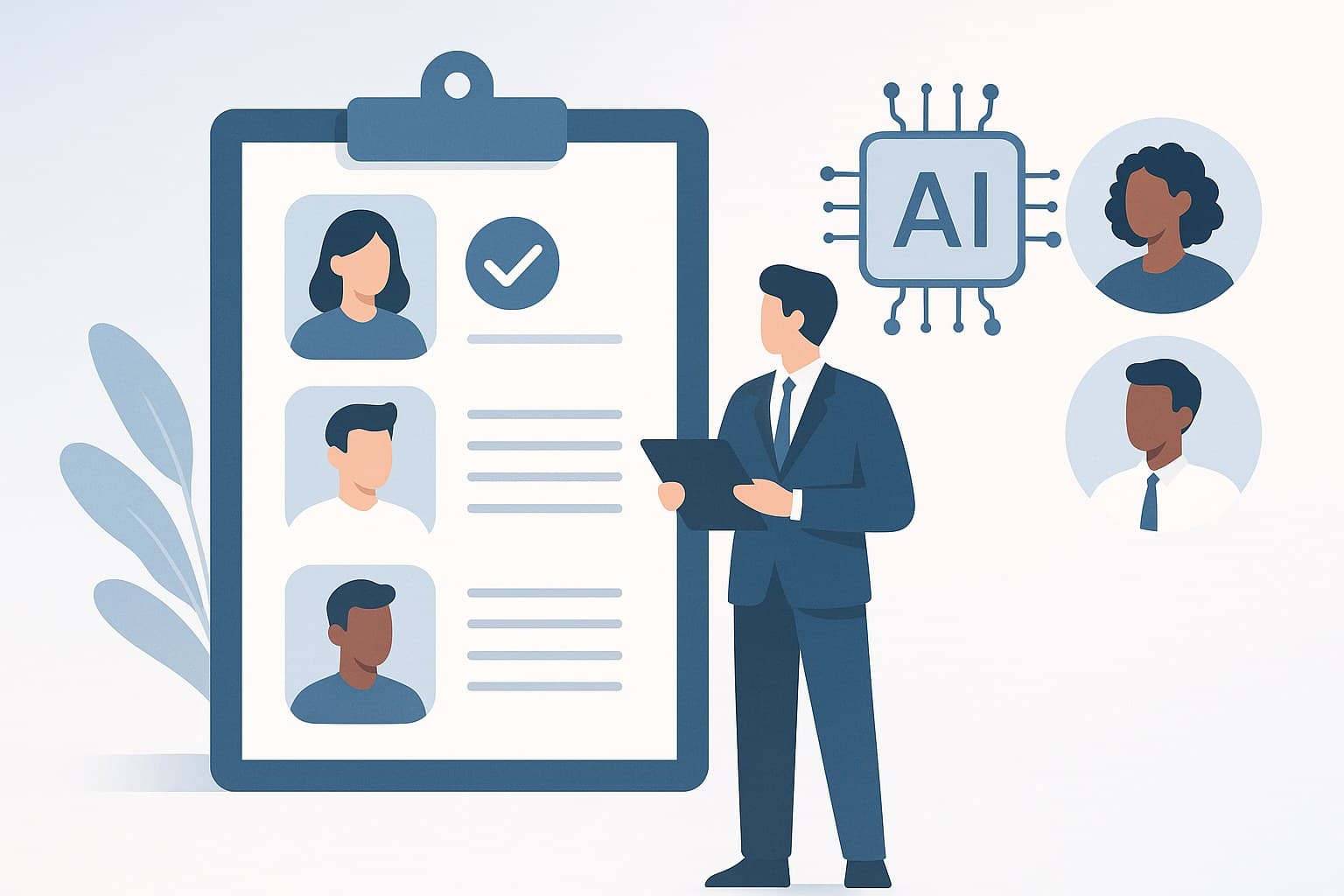
AI Interview Accessibility Compliance: Ensuring Inclusive Hiring Practices
Artificial Intelligence (AI) has become a transformative force in the recruitment industry, streamlining processes and enhancing decision-making. However, as AI-driven tools permeate hiring practices, ensuring accessibility compliance becomes crucial. AI interview accessibility compliance is about creating an inclusive hiring process that aligns with legal standards and ethical responsibilities. This article explores the significance of accessibility in AI interviews, the challenges involved, and offers actionable insights for businesses striving to maintain compliance and inclusivity.
Understanding AI in Recruitment
Despite its potential benefits, the use of AI in recruitment has raised concerns about bias, fairness, and accessibility. Therefore, businesses must ensure these tools are compliant with accessibility standards and do not inadvertently discriminate against candidates with disabilities.
The Importance of Accessibility Compliance
Accessibility compliance in AI interviews refers to designing and implementing AI systems that are usable by people with a wide range of abilities and disabilities. It is essential for several reasons:
-
Legal Obligations: Under laws like the Americans with Disabilities Act (ADA) and the Equality Act in the UK, employers must provide reasonable accommodations to candidates with disabilities. Non-compliance can lead to legal repercussions and reputational damage.
-
Ethical Considerations: Beyond legal requirements, there is a moral imperative to ensure fairness and equal opportunity in hiring practices. AI systems should be designed to accommodate various needs and reduce barriers for all candidates.
Bias in AI Algorithms
AI systems are only as good as the data they are trained on. If the training data reflects biases, the AI system may perpetuate these biases. In recruitment, this can lead to discrimination against candidates with disabilities, as the system may not recognize or appropriately evaluate their potential.
Lack of Standardization
There is currently no universal standard for AI accessibility compliance in recruitment. This lack of standardization poses a challenge for businesses attempting to design or evaluate AI systems for accessibility. Organizations may struggle to determine whether their AI tools meet necessary accessibility criteria.
Technical Limitations
AI systems often rely on verbal and non-verbal cues during interviews, such as speech patterns, body language, and facial expressions. However, these cues may not be applicable for all candidates, particularly those with speech or motor impairments. Ensuring the AI can accurately assess candidates without these cues is a significant technical challenge.
Conduct Accessibility Audits
Regular audits of AI recruitment tools can help identify and rectify accessibility issues. Companies should work with accessibility experts to evaluate whether their AI systems accommodate candidates with various disabilities. Audits should focus on user experience and ensure compliance with relevant legal standards.
Implement Inclusive Design Principles
Inclusive design involves creating AI systems that accommodate the needs of diverse users. This means considering accessibility from the initial design phase and involving individuals with disabilities in the development process. By adopting inclusive design principles, companies can create AI tools that work for everyone.
Provide Alternative Assessment Methods
To ensure inclusivity, businesses should offer alternative methods for candidates to demonstrate their abilities. This could involve offering human-led interviews or assessments that do not rely on AI. By providing choices, companies can accommodate candidates with different needs and preferences.
Train AI with Diverse Data Sets
Training AI systems on diverse data sets can help reduce biases and improve accessibility. Companies should ensure that the data used to train AI tools includes examples from candidates with disabilities. This will help the AI system recognize and fairly assess a broader range of candidates.
Develop Clear Accessibility Policies
Organizations should establish and communicate clear accessibility policies regarding AI use in recruitment. These policies should outline the steps taken to ensure compliance and provide candidates with information on how to request accommodations. Transparency is key to building trust with candidates and demonstrating a commitment to inclusivity.
Collaboration with Accessibility Experts
Businesses should collaborate with accessibility experts and advocacy groups to ensure their AI systems meet the necessary standards. This collaboration can provide valuable insights into best practices and help identify potential accessibility issues early in the development process.
Investment in AI Training and Development
Investing in the training and development of AI systems can enhance their ability to accommodate diverse candidates. This includes continuous updates and improvements to the AI algorithms to ensure they remain fair and unbiased.
Monitoring and Feedback
Regular monitoring of AI systems and soliciting feedback from candidates can help identify areas for improvement. Businesses should create channels for candidates to report any accessibility issues they encounter during the recruitment process.
Compliance with Legal and Ethical Standards
Staying informed about legal and ethical standards related to AI and accessibility is essential for compliance. Businesses should regularly review and update their policies to align with evolving regulations and best practices.
Conclusion
AI interview accessibility compliance is a critical component of modern recruitment practices. By addressing accessibility challenges and implementing inclusive design principles, businesses can ensure their AI systems are fair and equitable for all candidates. This not only fulfills legal obligations but also enhances diversity, boosts company reputation, and fosters a culture of inclusivity.
In an era where technology increasingly shapes hiring practices, prioritizing accessibility is no longer optional. It is a necessary step towards creating a more equitable and diverse workforce. By taking proactive measures, businesses can leverage the benefits of AI while ensuring that no candidate is left behind.
Frequently Asked Questions
Key questions often raised by business leaders and HR teams:
What is AI interview accessibility compliance?
AI interview accessibility compliance ensures that AI recruitment tools are usable by candidates with diverse abilities and disabilities, aligning with legal and ethical standards.
Why is accessibility compliance important in hiring?
Accessibility compliance is crucial for legal obligations, promoting diversity, and upholding ethical considerations in hiring practices.
What challenges exist in ensuring AI interview accessibility?
Challenges include bias in AI algorithms, lack of standardization, and technical limitations in assessing candidates with different needs.
How can companies improve AI interview accessibility?
Companies can conduct accessibility audits, implement inclusive design principles, and train AI with diverse data sets to enhance accessibility.
What role do accessibility experts play in AI recruitment?
Accessibility experts help businesses identify potential issues, provide insights on best practices, and ensure compliance with accessibility standards.