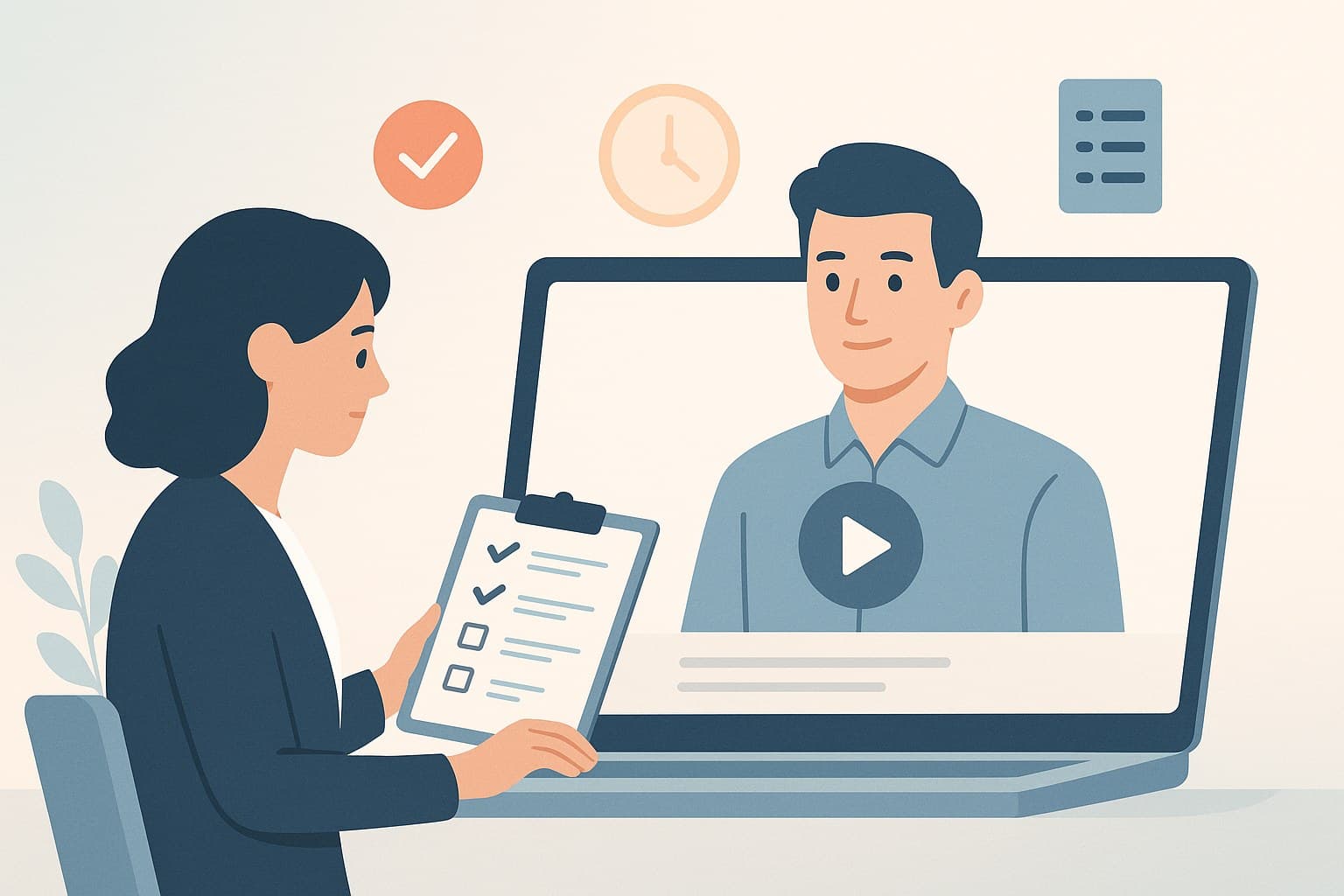
AI Interview Pilot Manager Adoption Plan: Streamlining the Hiring Process
The hiring process has always been a time-consuming and challenging task for HR and talent acquisition teams. With the rise of AI technology, companies are turning towards it to streamline their recruitment process and make it more efficient. However, implementing AI in the hiring process requires careful planning and execution. In this article, we will discuss the AI interview pilot manager adoption plan and how it can help organizations achieve their hiring goals.
Build a Strong Data Foundation Before Scaling AI
Before implementing AI in the hiring process, organizations need to build a strong data foundation. This involves consolidating scattered departmental data into one connected system with standardized formats so that AI can make sense of it. This will not only make the data more accessible but also improve its quality, making it easier for AI to analyze and provide accurate insights.
Conducting Interviews: The Key to Finding the Right Candidate
The interview process is an essential step in the hiring process as it helps organizations assess the skills, experience, and personality of a candidate. However, traditional interviews can be time-consuming, subjective, and prone to human biases. This is where AI can make a significant impact.
Introducing the AI Interview Pilot Manager Adoption Plan
The AI interview pilot manager adoption plan is a comprehensive strategy that organizations can use to implement AI in their hiring process. It involves a series of steps that organizations can follow to ensure the successful adoption of AI in their hiring process. Let's take a closer look at these steps.
Step 1: Identify the Pain Points
The first step in the AI interview pilot manager adoption plan is to identify the pain points in the current hiring process. This can include challenges like a lack of clarity, safety, and time, as mentioned earlier. It is crucial to understand the pain points to develop a tailored AI adoption plan that addresses these challenges.
Step 2: Choose the Right AI Tool
The next step is to choose the right AI tool for your organization. With numerous AI tools available in the market, it can be overwhelming to select the right one. However, it is essential to choose an AI tool that aligns with your hiring goals and has features that can address the identified pain points.
Step 3: Pilot the AI Tool
Once the AI tool is selected, the next step is to pilot it. This involves running a small-scale test to evaluate the tool's performance and gather feedback from hiring managers. This will help organizations understand how the tool works and identify any issues that need to be addressed before scaling it.
Step 4: Train Managers and HR Teams
Implementing AI in the hiring process will also require training managers and HR teams on how to use the tool effectively. This will help them understand the tool's capabilities and how to leverage it to improve the hiring process. Additionally, training will also help to dispel any fears or concerns about AI among employees.
Step 5: Monitor and Analyze Results
Once the AI tool is implemented, it is essential to monitor and analyze its results. This will help organizations measure the tool's effectiveness and make any necessary adjustments. It is also crucial to gather feedback from hiring managers and candidates to continuously improve the AI tool's performance.
Conclusion: Embrace AI for a More Efficient Hiring Process
Implementing AI in the hiring process can bring numerous benefits, including faster hiring, improved candidate quality, and reduced bias. However, it is crucial to have a well-thought-out plan in place to ensure the successful adoption of AI. The AI interview pilot manager adoption plan provides organizations with a structured approach to implementing AI in their hiring process and achieving their hiring goals.
If you are looking to streamline your hiring process and improve the quality of your hires, consider using MIND Interview. MIND Interview is an enterprise-grade AI recruitment platform that offers AI resume analysis and structured asynchronous AI video interviews. With MIND Interview, you can cut hiring time and raise match quality while ensuring fairness and compliance in your hiring decisions. To learn more about MIND Interview and how it can benefit your organization, visit https://www.mind-interview.com/en/.
Frequently Asked Questions
Key questions often raised by business leaders and HR teams:
What is the AI Interview Pilot Manager Adoption Plan?
It is a structured strategy for organizations to implement AI in their hiring process, focusing on identifying pain points and selecting appropriate tools.
How can AI improve the hiring process?
AI can enhance the hiring process by reducing biases, increasing efficiency, and providing consistent evaluations of candidates.
What are the key steps in the adoption plan?
The key steps include identifying pain points, choosing the right AI tool, piloting the tool, training staff, and monitoring results.
Why is data quality important for AI hiring tools?
High-quality data ensures that AI tools can provide accurate insights and improve decision-making in the hiring process.
What is MIND Interview?
MIND Interview is an AI recruitment platform that offers features like AI resume analysis and structured video interviews to streamline hiring.