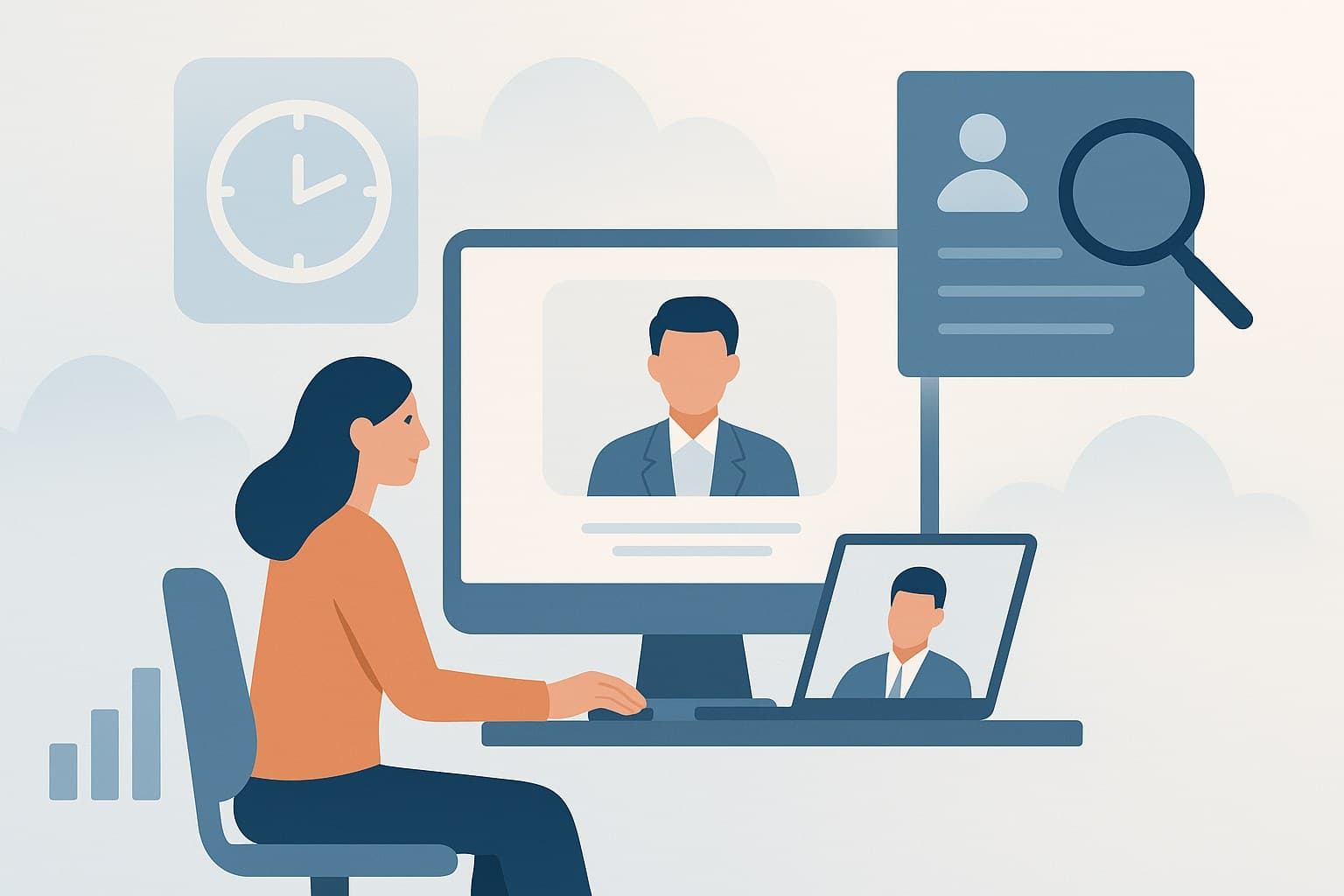
AI Interview Analytics for Diversity Recruiting: Breaking Barriers and Building Inclusive Workplaces
In today's competitive job market, companies are constantly seeking ways to attract top talent and build a diverse workforce. However, traditional recruiting methods can often lead to unconscious bias and hinder diversity efforts. This is where AI interview analytics comes in, offering a data-driven and unbiased approach to recruiting.
AI interview analytics is a technology that uses artificial intelligence to analyze and evaluate job candidates based on various parameters such as skills, qualifications, and personality traits. This tool not only streamlines the recruitment process but also helps to identify and eliminate any biases that may exist in the hiring process.
The Importance of Diversity in Recruiting
Before delving into the details of AI interview analytics, it is crucial to understand the significance of diversity in recruiting. A diverse workforce brings a range of perspectives, experiences, and ideas, leading to better decision-making and innovation. It also helps companies to better understand and cater to a diverse customer base. Studies have shown that diverse teams lead to better financial performance, making diversity a business imperative.
However, despite the benefits of diversity, many companies struggle with recruiting a diverse workforce. One of the main reasons for this is unconscious bias, which refers to the stereotypes and prejudices that individuals may hold without being aware of them. These biases can negatively impact hiring decisions and perpetuate a lack of diversity in the workplace.
How AI Interview Analytics Can Help
AI interview analytics can help to overcome unconscious bias and promote diversity in recruiting in several ways. Firstly, it uses data and algorithms to evaluate candidates, eliminating the risk of human error and subjectivity. This ensures that all candidates are evaluated based on their qualifications and skills alone, without any personal bias.
Moreover, AI interview analytics can also identify any patterns of bias in the recruitment process. It can provide insights into areas where diversity may be lacking, such as the selection of candidates for interviews or job offers. This allows companies to make necessary changes and improve their diversity efforts.
Tailored Messaging for Better Candidate Engagement
Aside from eliminating bias, AI interview analytics can also help with candidate engagement. Tailored messaging is a crucial aspect of attracting diverse candidates. According to a study by LinkedIn, 52% of job seekers say that customized communication is key to a positive candidate experience.
With AI interview analytics, recruiters can create tailored messaging for different groups of candidates based on their skills, experiences, and backgrounds. This customized approach not only resonates better with candidates but also helps to attract a more diverse pool of applicants.
HRbrain's AI Recruitment Marketing Assistant
One tool that has been making waves in the world of AI interview analytics is HRbrain's AI Recruitment Marketing Assistant. This platform uses AI to analyze job postings and generate tailored messaging based on the target audience. It also offers insights on candidate engagement, helping recruiters to make data-driven decisions.
HRbrain's platform also integrates with various job boards and social media platforms, allowing companies to reach a wider and more diverse pool of candidates. With its AI-driven approach, the platform helps to remove any unconscious bias and promote diversity in recruiting.
IBM's AI-Driven Blue Matching Program
Another example of AI interview analytics at work is IBM's Blue Matching program. This program uses AI to evaluate employees' skills, experiences, and interests, and match them with internal opportunities for career advancement. This not only helps to promote diversity within the company but also ensures that employees are given equal opportunities for growth and development.
IBM's use of AI in HR also extends to their recruitment process. The company uses AI-powered tools to analyze resumes and identify the most qualified candidates for interviews, based on skills and qualifications alone.
The Future of Diversity Recruiting
As technology continues to advance, AI interview analytics is expected to play a bigger role in diversity recruiting. New tools and platforms are emerging, offering even more sophisticated approaches to eliminate bias and promote diversity. However, it is important to remember that AI is only as unbiased as the data it is fed. Companies must ensure that their data is diverse and representative to prevent any biases in the AI algorithms.
Conclusion: Breaking Barriers and Building Inclusive Workplaces
In a world where diversity and inclusion are more important than ever, AI interview analytics offers a solution to overcome unconscious bias and promote diversity in recruiting. With its data-driven and unbiased approach, it helps companies to attract top talent from diverse backgrounds and build inclusive workplaces. The future of diversity recruiting is undoubtedly tied to AI, and companies that embrace this technology will have a competitive advantage in the long run.
So, if you're looking to break barriers and build a diverse workforce, consider incorporating AI interview analytics into your recruitment process. With the right tools and approach, you can attract top talent from all backgrounds and create a truly inclusive workplace.
Frequently Asked Questions
Key questions often raised by business leaders and HR teams:
What is AI interview analytics?
AI interview analytics uses artificial intelligence to evaluate job candidates based on skills and qualifications, minimizing bias in the hiring process.
How does AI help in diversity recruiting?
AI helps by providing data-driven evaluations, identifying bias patterns, and enabling tailored messaging to engage a diverse pool of candidates.
Why is diversity important in the workplace?
Diversity brings varied perspectives and ideas, leading to better decision-making, innovation, and improved financial performance.
What tools can assist with AI interview analytics?
Tools like HRbrain's AI Recruitment Marketing Assistant and IBM's Blue Matching program are examples of platforms that enhance diversity recruiting through AI.
What is unconscious bias?
Unconscious bias refers to stereotypes and prejudices that affect hiring decisions without awareness, often hindering diversity in recruitment.