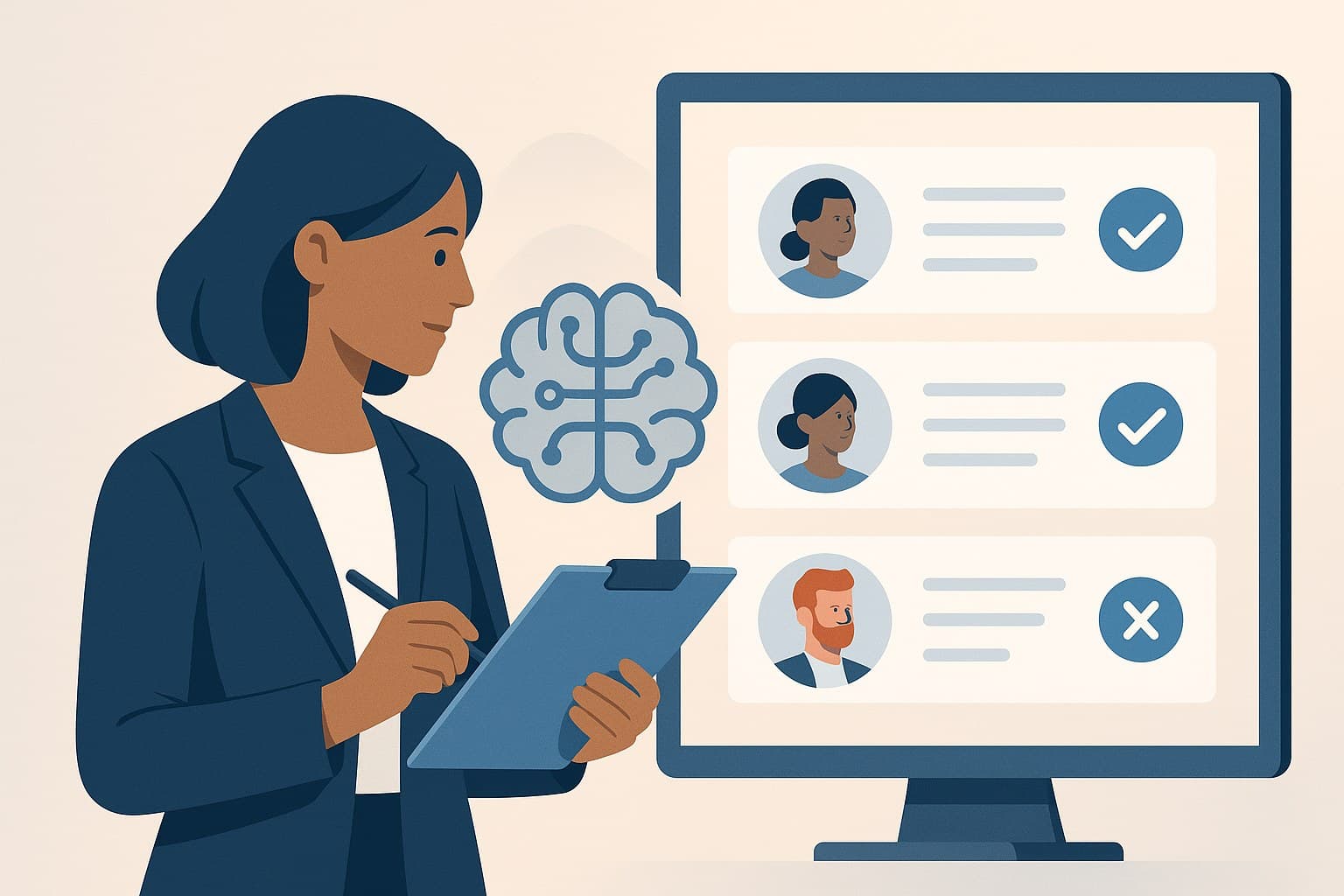
AI Interview Compliance in Unionized Workplaces: Challenges and Solutions
As technology continues to advance, the use of artificial intelligence (AI) in the workplace is becoming more prevalent. One area where AI is gaining traction is in the hiring process, specifically with AI-powered interviews. This technology promises to streamline and improve the hiring process, but it also brings up questions about compliance and fairness, especially in unionized workplaces.
Unions have been at the forefront of challenging the use of AI in the hiring process, citing concerns about discrimination and fairness. In fact, the Screen Actors Guild-American Federation of Television and Radio Artists (SAG-AFTRA) recently filed an unfair labor practice charge against a major media company for using AI-powered interviews in their hiring process. This raises the question: how does the use of AI in interviews comply with union regulations?
This article will explore the challenges and solutions for compliance with AI-powered interviews in unionized workplaces, based on extensive research.
The Rise of AI in Recruitment
AI-powered interviews are becoming increasingly popular in the recruitment process. This technology uses algorithms to analyze resumes and conduct video interviews, with the goal of identifying the most qualified candidates for a position. The benefits of using AI in recruitment are clear – it can save time and resources, reduce bias, and improve the overall hiring process.
However, the use of AI in hiring has also raised concerns about discrimination and fairness. AI algorithms are only as unbiased as the data they are trained on, and if the data contains biases, the algorithm may replicate them. This can lead to discriminatory hiring practices, which is a major concern for unions.
Union Challenges to AI Interviews
Unions have been quick to challenge the use of AI in hiring, particularly with AI-powered interviews. One of the main concerns is that AI may discriminate against certain groups of workers, such as women, people of color, and older workers. Unions argue that this technology may not take into account the unique experiences and skills of these workers, leading to their exclusion from the hiring process.
Another challenge is the lack of human interaction in AI-powered interviews. Unions argue that this eliminates the opportunity for candidates to advocate for themselves and explain any gaps or inconsistencies in their resumes. This can also disadvantage workers who may not have experience with video interviews or have limited access to the technology.
Unions are also challenging the use of AI before the National Labor Relations Board (NLRB). Recently, SAG-AFTRA filed an unfair labor practice charge against a major media company, claiming that the use of AI-powered interviews violated the union’s collective bargaining agreement. This case highlights the need for employers to consider the impact of AI on their unionized workforce.
Solutions for Compliance
So, what can employers do to ensure compliance with AI-powered interviews in unionized workplaces? The key is to prioritize fairness and transparency throughout the entire recruitment process.
First and foremost, employers should carefully evaluate the AI technology they use for recruitment. It’s important to choose a vendor that has a strong track record of fairness and compliance. Look for companies that have gone through bias testing and have a process for regularly auditing their algorithms.
Training the AI algorithm on a diverse set of data is also crucial for reducing bias. This means including data from a diverse pool of candidates, and regularly reviewing and updating the algorithm to ensure it remains fair and accurate.
Transparency is also key when it comes to AI-powered interviews. Employers should be upfront with candidates about the use of AI in the hiring process and provide them with information on how the technology works. This can help alleviate concerns and build trust with candidates.
Finally, employers should consider involving human oversight in the AI-powered interview process. This can include having a human review the results of the algorithm and conducting traditional interviews with candidates who have passed the AI stage. This can help ensure that the algorithm is not making biased decisions and gives candidates an opportunity to advocate for themselves.
The Role of MIND Interview in AI Compliance
One way to ensure compliance with AI-powered interviews in unionized workplaces is to use MIND Interview, an enterprise-grade AI recruitment platform. MIND Interview offers AI resume analysis and structured asynchronous AI video interviews, all under the AI Verify governance. This means that the technology has been validated, bias-tested, and auditable, giving employers peace of mind when it comes to compliance.
MIND Interview also offers features such as 24/7 asynchronous AI video interviews with scoring on expression, tone, logic, and structure, as well as visualized candidate reports with 5-dimension radars and Big Five traits. This not only saves time and resources, but it also provides objective data points for employers to base their hiring decisions on.
Furthermore, MIND Interview offers a hiring workspace with bulk invites, pipeline stages, and manager review links, making it easy for employers to manage the recruitment process. It also has a headhunting service, where consultants and AI work together to deliver recommendation reports with interview recordings, ensuring a fair and unbiased process.
Conclusion
In conclusion, the use of AI in interviews poses challenges for compliance in unionized workplaces. Unions are concerned about discrimination and fairness, while employers are looking for ways to streamline and improve the hiring process. The key is to prioritize fairness and transparency throughout the entire recruitment process.
Employers can ensure compliance by carefully evaluating the AI technology they use, training the algorithm on a diverse set of data, and involving human oversight in the process. Using a platform like MIND Interview can also help with compliance, as it offers validated, bias-tested, and auditable technology for AI-powered interviews.
By understanding the challenges and implementing solutions, employers can successfully use AI in recruitment while complying with union regulations. This not only benefits the company but also creates a fair and inclusive hiring process for all candidates.
CTA: Ready to streamline your hiring process with AI? Try out MIND Interview today: https://www.mind-interview.com/en/
Frequently Asked Questions
Key questions often raised by business leaders and HR teams:
What are the main challenges of AI in unionized workplaces?
The main challenges include concerns about discrimination, lack of human interaction, and compliance with collective bargaining agreements.
How can employers ensure fairness in AI-powered interviews?
Employers can ensure fairness by choosing compliant AI vendors, training algorithms on diverse data, and involving human oversight in the interview process.
What role does MIND Interview play in compliance?
MIND Interview provides validated AI recruitment tools that help ensure compliance with union regulations while maintaining a fair hiring process.
Why are unions concerned about AI in hiring?
Unions are concerned that AI may replicate biases present in training data, leading to discriminatory hiring practices against marginalized groups.
What steps can be taken to improve transparency in AI interviews?
Employers should inform candidates about AI usage, explain how the technology works, and provide insights into the evaluation process.