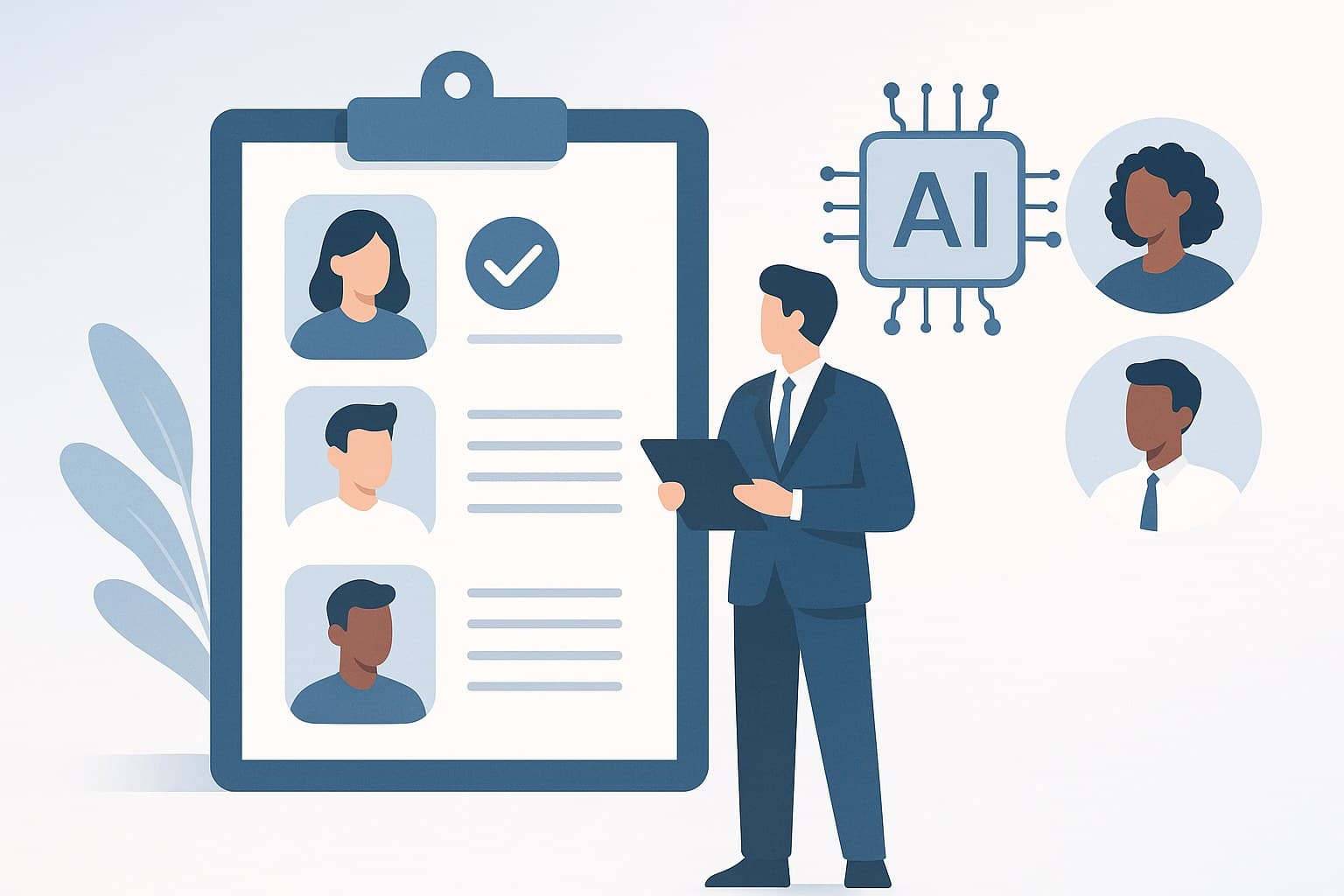
AI Interview Data Breach Response: A Comprehensive Guide for HR Teams
In today's digital age, data breaches have become a common occurrence, with companies of all sizes falling victim to cyber attacks. And with the rise of artificial intelligence (AI) in various industries, it has become crucial for HR teams to have a solid plan in place to respond to data breaches involving AI-driven interview processes. This is where the incident runbook HR and key rotation plan come into play.
In this article, we will delve into the importance of having a well-defined response plan for AI interview data breaches, the structure of an incident runbook for lean IT teams, and the role of key rotation in mitigating the impact of such incidents.
The Rise of AI in the Recruitment Process
With the increasing use of AI in recruitment processes, companies are able to streamline their hiring processes and make more informed decisions. AI-enabled tools can quickly sift through thousands of resumes, analyze candidate responses, and even conduct interviews. This not only saves time and resources but also helps in making unbiased hiring decisions.
However, with this convenience comes the risk of a data breach. AI interview data often contains sensitive personal information, such as names, addresses, work history, and even social security numbers. If this data falls into the wrong hands, it can lead to identity theft, financial loss, and reputational damage for both the company and the candidates.
The Incident Runbook HR
The incident runbook HR is a crucial component of a data breach response plan. It is a comprehensive document that outlines the steps to be taken in the event of a data breach. This runbook is especially important for lean IT teams, as they may not have dedicated cybersecurity personnel to handle such incidents.
The structure of an incident runbook for lean IT teams should include the following sections:
- Introduction and Overview: This section should provide a brief overview of the incident response plan and its purpose.
- Roles and Responsibilities: It is essential to clearly define the roles and responsibilities of each team member involved in the response plan.
- Detection and Containment: This section should outline the steps to be taken to detect and contain the data breach.
- Communication Plan: Communication is vital during a data breach, and this section should detail how and when to communicate with stakeholders, such as employees, customers, and law enforcement.
- Legal Considerations: In the event of a data breach, legal implications must be considered, and this section should outline the steps to be taken in terms of compliance and reporting.
- Recovery and Remediation: This section should detail the steps to be taken to recover and remediate any damage caused by the data breach.
- Post-Incident Activities: Once the incident has been resolved, it is essential to conduct a post-incident review to identify any weaknesses and improve the response plan for future incidents.
Key Rotation Plan
Another crucial aspect of responding to AI interview data breaches is implementing a key rotation plan. This involves regularly changing the encryption keys used to protect the data. In the event of a data breach, changing the encryption keys renders the stolen data useless, mitigating the impact of the breach.
Furthermore, it is essential to have a secure system in place to manage and rotate these keys. This could include a centralized key management platform, such as Logical Commander's E-Commander, which provides a unified dashboard for all departments to manage their encryption keys securely.
Best Practices for HR Teams
Having a well-defined incident response plan and key rotation plan is not enough. HR teams must also regularly review and test these plans to ensure their effectiveness. Here are some best practices for HR teams to follow:
- Conduct regular tabletop exercises and simulated attacks to identify any weaknesses in the response plan.
- Train employees on cybersecurity best practices, such as identifying phishing emails and using secure passwords.
- Regularly review and update the incident runbook and key rotation plan to stay ahead of any potential threats.
- Consider investing in cybersecurity insurance to mitigate financial losses in the event of a data breach.
Conclusion
In today's digital landscape, data breaches are a constant threat, and companies must be prepared to respond to such incidents effectively. For HR teams, this means having a well-defined incident runbook HR and key rotation plan in place. By regularly reviewing and testing these plans, HR teams can mitigate the impact of AI interview data breaches and protect both their company and candidates' sensitive information.
Remember, prevention is always better than cure, and investing in cybersecurity measures now can save your company from significant financial and reputational damage in the long run.
Are you looking for a secure and centralized platform to manage your encryption keys? Check out Logical Commander's E-Commander and take the first step towards protecting your data today.
Frequently Asked Questions
Key questions often raised by business leaders and HR teams:
What is an incident runbook?
An incident runbook is a comprehensive document outlining the steps to take during a data breach. It helps HR teams manage the incident effectively.
Why is key rotation important?
Key rotation is crucial as it regularly changes encryption keys, rendering stolen data useless and reducing the impact of a data breach.
How can HR teams prepare for data breaches?
HR teams can prepare by developing an incident response plan, conducting regular training, and testing their response strategies through simulated attacks.
What are best practices for managing data breaches?
Best practices include regular reviews of response plans, employee training on cybersecurity, and considering cybersecurity insurance.
What should be included in a communication plan during a breach?
A communication plan should detail how to inform stakeholders, including employees and customers, about the breach and the steps being taken to address it.