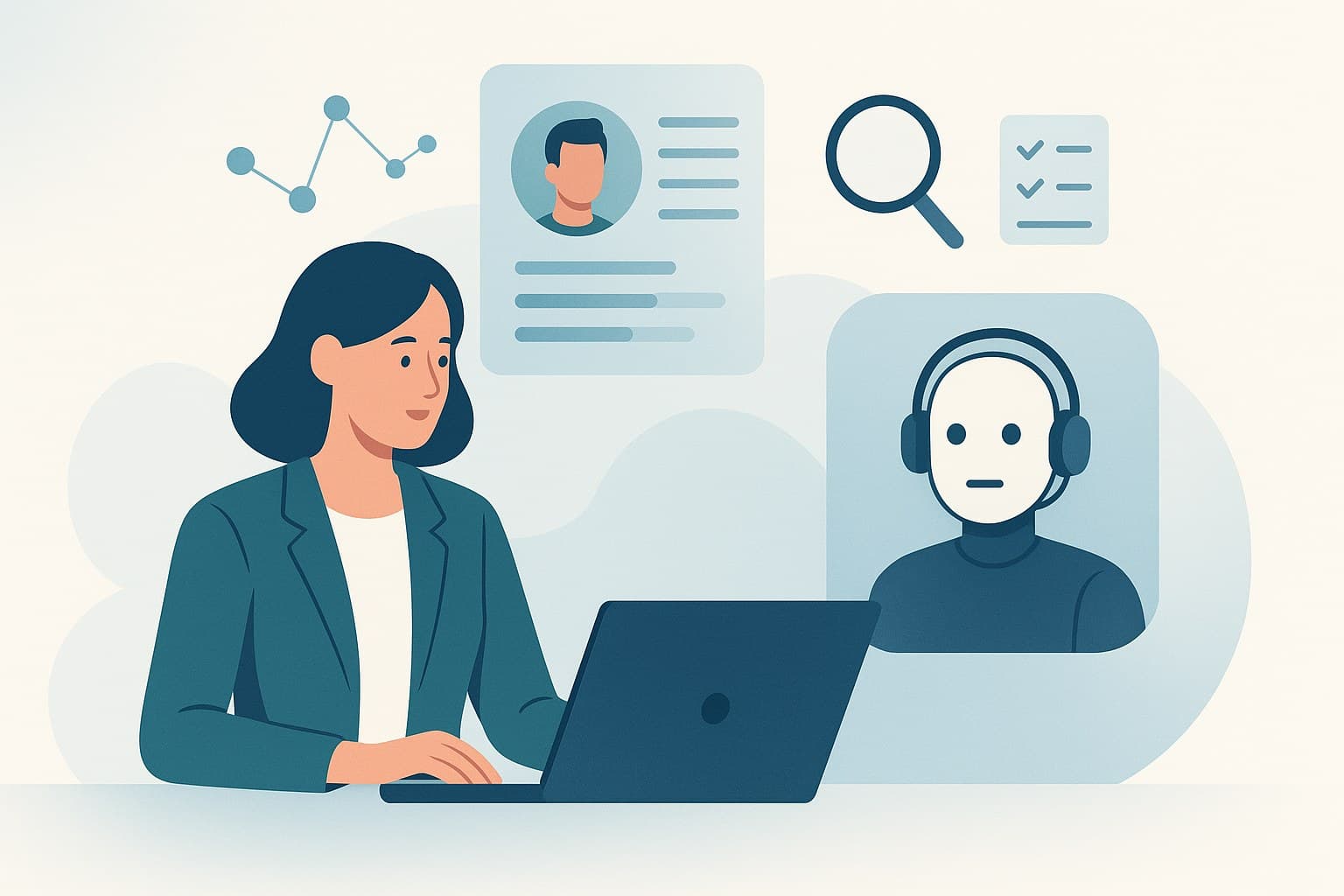
AI Interview Data Predict Candidate Drop-Off: Understanding the Reasons and Solutions
In today's competitive job market, companies are constantly looking for ways to streamline their hiring process and make it more efficient. This has led to the adoption of artificial intelligence (AI) in the recruitment process, specifically in interviews. While AI interviews have shown great promise in terms of saving time and resources, they also come with their own set of challenges.
Understanding the Drop-Off in AI Interviews
Before delving into the reasons, it is essential to understand what exactly constitutes a drop-off in AI interviews. A drop-off occurs when a candidate quits the interview process before completing it. This could happen at any stage - from the initial screening questions to the final round of the interview. The drop-off rate varies by industry, with technology and finance having the highest rates.
Reasons for Candidate Drop-Off in AI Interviews
-
Lack of Personalization One of the most significant reasons for candidate drop-off in AI interviews is the lack of personalization. AI interviews are designed to be standardized, which can make candidates feel like they are just a number in the hiring process. This can lead to disengagement and a lack of interest in continuing the interview.
-
Technical Glitches Technology is not perfect, and neither are AI interviews. Technical glitches can occur during the interview, leading to frustration for candidates. This could include issues with the audio or video, which can disrupt the flow of the interview and cause candidates to drop off.
-
Poor User Experience The user experience (UX) of an AI interview is crucial in keeping candidates engaged. If the interface is not user-friendly or if there are too many steps involved, it can lead to candidates dropping off. Additionally, if the interview is too long or if there are too many repetitive questions, it can also cause candidates to lose interest and quit.
-
Lack of Transparency Another reason for drop-off in AI interviews is the lack of transparency. Candidates may not be aware that they are being evaluated by AI, which can lead to feelings of mistrust and discomfort. This is especially true if the company has not disclosed the use of AI in their job posting or during the interview.
-
Bias in AI Algorithms AI algorithms are only as good as the data they are fed. If the data used to train the algorithm is biased, it can result in biased decision-making. This can lead to qualified candidates being rejected and can also create a negative perception of the company, causing candidates to drop off.
-
Poor Quality Data The quality of data used in AI interviews is crucial in determining its effectiveness. If the data is not relevant or if it is incomplete, it can lead to inaccurate assessments and decisions. This can cause candidates to drop off, feeling like their skills and abilities were not accurately evaluated.
-
Lack of Human Interaction Lastly, the absence of human interaction in AI interviews can lead to candidates feeling disconnected and disengaged. Interviews are not just an evaluation of skills but also an opportunity for candidates to connect with the company and its culture. Without human interaction, candidates may not get a sense of the company's values and may drop off as a result.
Solutions to Prevent Candidate Drop-Off in AI Interviews
-
Personalization is Key To prevent drop-off in AI interviews, companies need to focus on personalization. This could include customizing questions based on the candidate's skill set and experience, incorporating some human interaction, and providing feedback at the end of the interview. This will make candidates feel more valued and engaged in the process.
-
Conduct Frequent Testing To avoid technical glitches, companies should conduct frequent testing of their AI interview platform. This will help identify and fix any issues before they impact the candidate's experience. Additionally, companies should also have a backup plan in case of technical difficulties during an interview.
-
Enhance User Experience Improving the user experience of AI interviews is crucial in keeping candidates engaged. Companies should aim to make the process as seamless and user-friendly as possible. This could include reducing the number of steps, incorporating interactive elements, and having a clear and concise interface.
-
Communicate the Use of AI To address the lack of transparency, companies should communicate the use of AI in their job postings and during the interview process. This will help candidates understand the evaluation process and feel more comfortable participating in it.
-
Address Bias in AI Algorithms Companies should ensure that the data used to train their AI algorithms is diverse and unbiased. This will help prevent biased decision-making and increase the chances of hiring the best candidates for the job.
-
Use High-Quality Data To prevent inaccurate assessments, companies should use high-quality data in their AI interviews. This could include using data from multiple sources and regularly updating the data to ensure its relevance.
-
Incorporate Human Interaction Lastly, companies should try to incorporate some human interaction in their AI interviews. This could be through a video introduction or a follow-up call to discuss the candidate's experience. This will help candidates feel more connected to the company and its values.
Conclusion
AI interviews have the potential to revolutionize the hiring process, but they also come with their own set of challenges. Candidate drop-off is a significant issue that companies need to address to make their AI interviews successful. By understanding the reasons for drop-off and implementing the solutions discussed in this article, companies can improve their AI interview process and attract top talent.
To learn more about how AI can improve your recruitment process, check out Ninjahire.
Frequently Asked Questions
Key questions often raised by business leaders and HR teams:
What is candidate drop-off in AI interviews?
Candidate drop-off occurs when applicants quit the interview process before completion, often due to various factors like lack of personalization or technical issues.
How can companies reduce candidate drop-off?
Companies can reduce drop-off by personalizing the interview experience, improving user interface, and ensuring transparency about the use of AI.
Why is personalization important in AI interviews?
Personalization helps candidates feel valued and engaged, reducing the likelihood of them dropping out during the interview process.
What role does user experience play in AI interviews?
A positive user experience keeps candidates engaged and motivated to complete the interview, while a poor experience can lead to frustration and drop-off.
How can bias in AI algorithms affect candidate evaluations?
Bias in AI algorithms can lead to unfair evaluations, causing qualified candidates to be overlooked and potentially increasing drop-off rates.