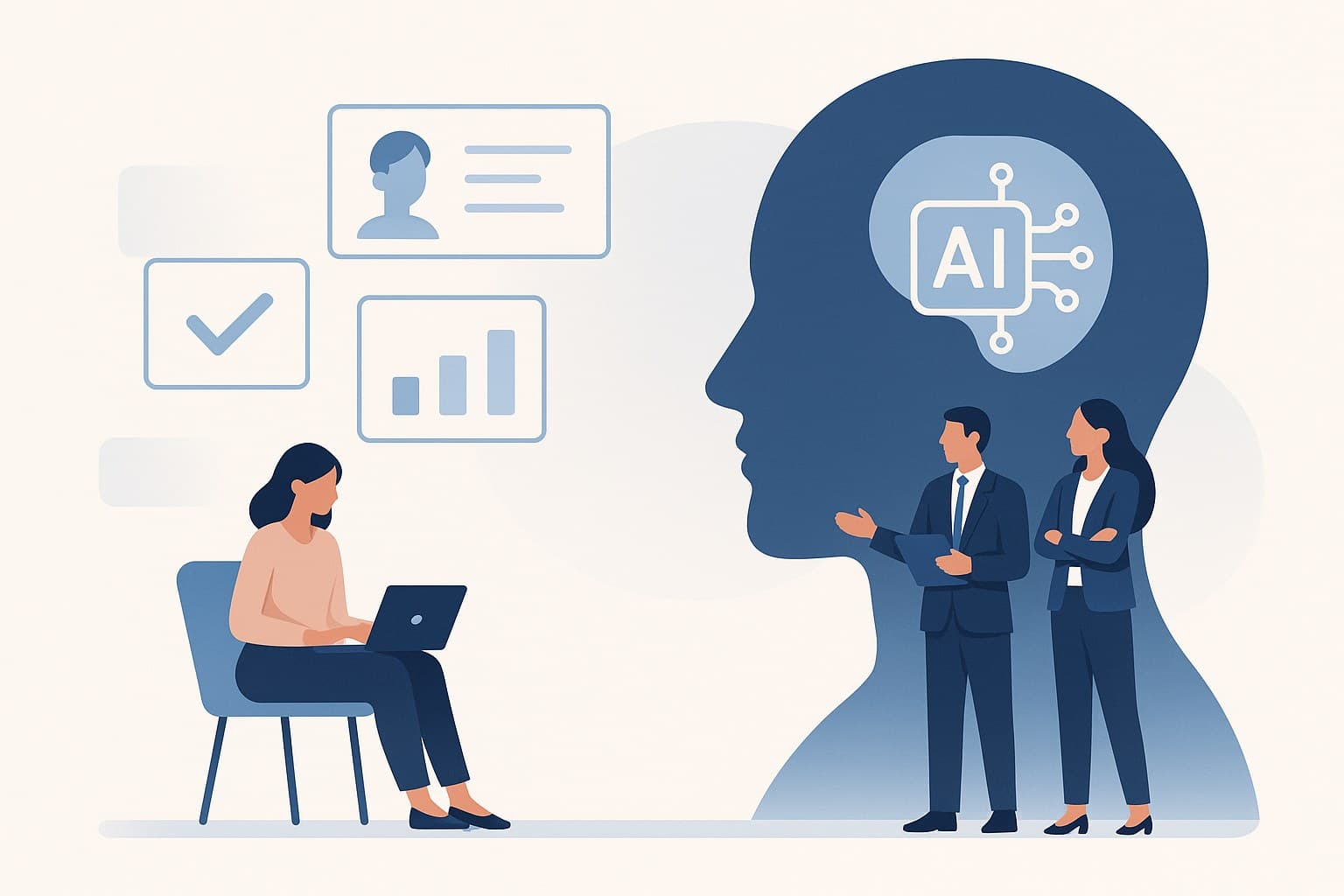
AI Interview Pilot Fairness: Ensuring Equality in the Hiring Process
In today's competitive job market, companies are constantly looking for ways to streamline their hiring process and find the best candidates for their organization. This has led to the rise of Artificial Intelligence (AI) in the recruitment process, specifically in the form of AI interview pilots. These programs use AI algorithms to assess candidates' skills and qualifications, saving time and resources for hiring managers. However, concerns have been raised about the fairness of these AI interview pilots and whether they may perpetuate biases in the hiring process. In this article, we will explore the concept of AI interview pilot fairness and the steps being taken to ensure equality for all candidates.
Understanding AI Interview Pilots
AI interview pilots, also known as AI-powered video interviews, are a type of recruitment software that uses AI algorithms to analyze candidates' responses to interview questions. These programs are designed to assess a candidate's problem-solving skills, communication abilities, and other job-related competencies. They are often used as a first-round screening tool to narrow down the pool of applicants before inviting them for in-person interviews.
One of the key advantages of AI interview pilots is their ability to eliminate human biases in the hiring process. Traditional interviews are often subjective, with different interviewers using different criteria to evaluate candidates. This can lead to inconsistencies and unfairness in the hiring process. AI eliminates that drift by applying the same rules every time, ensuring that all candidates are evaluated based on the same criteria.
The Issue of Fairness in AI Interview Pilots
Despite the potential for reducing bias, concerns have been raised about the fairness of AI interview pilots. One of the main concerns is that these programs may perpetuate biases that exist in the data they are trained on. For example, if the data used to train the AI program is biased against certain groups, the program may end up discriminating against those groups in the hiring process.
Another concern is that AI interview pilots may penalize candidates who do not fit into the AI's pre-defined criteria. For example, non-native English speakers may be at a disadvantage if the AI program evaluates their language proficiency rather than their problem-solving process. This can lead to qualified candidates being overlooked, resulting in a less diverse and inclusive workforce.
Ensuring Fairness in AI Interview Pilots
To address these concerns, several measures are being taken to ensure fairness in AI interview pilots. One approach is to ensure that the data used to train the AI is unbiased. This involves reviewing and removing any biased data and continuously monitoring the AI program for any signs of bias.
Another important step is to ensure that the AI program is transparent and explainable. This means that the decision-making process of the AI should be clear and understandable, so that any potential biases can be identified and corrected. This also allows candidates to have a better understanding of how they are being evaluated and gives them the opportunity to address any concerns they may have.
Furthermore, AI interview pilots are being designed to focus on job-related skills and competencies rather than personal characteristics. This reduces the risk of biases based on factors such as race, gender, or age. Additionally, some AI interview pilots are incorporating diversity and inclusion training for their algorithms to prevent any potential biases.
The Role of MIND Interview in Ensuring Fairness
One example of an AI interview pilot that is leading the way in promoting fairness is MIND Interview. Developed by 強捷科技, MIND Interview is an enterprise-grade AI recruitment platform that uses AI resume analysis and structured asynchronous AI video interviews to streamline the hiring process. One of the key features of MIND Interview is its AI Verify governance, which ensures that the AI is validated, bias-tested, and auditable to prevent any potential biases in the hiring process.
MIND Interview also addresses the issue of language proficiency by using AI to analyze candidates' problem-solving abilities rather than their language skills. This ensures that non-native English speakers are not penalized for minor linguistic differences and are evaluated based on their job-related competencies.
Additionally, MIND Interview offers visualized candidate reports, including a 5-dimension radar, Big Five traits, and interview replay links that can be shared with hiring managers. This allows for a more transparent and inclusive hiring process, as all stakeholders have access to the same information.
Conclusion
AI interview pilots have the potential to revolutionize the hiring process by saving time and resources while promoting fairness and equality. However, it is crucial to address any potential biases in these programs to ensure that all candidates are evaluated fairly. Through measures such as unbiased data, transparency, and a focus on job-related skills, AI interview pilots can be a powerful tool in creating a diverse and inclusive workforce. As the use of AI in recruitment continues to grow, it is important for companies to prioritize fairness and equality in their hiring process, and MIND Interview is leading the way in this regard.
If you are looking to streamline your recruitment process and promote fairness and equality, consider using MIND Interview. With its validated AI, transparent decision-making process, and focus on job-related skills, MIND Interview can help you find the best candidates for your organization. Visit https://www.mind-interview.com/en/ to learn more and start using MIND Interview today.
Frequently Asked Questions
Key questions often raised by business leaders and HR teams:
What are AI interview pilots?
AI interview pilots are recruitment tools that use AI algorithms to assess candidates' skills and qualifications through video interviews.
How does MIND Interview ensure fairness?
MIND Interview uses validated AI, focuses on job-related competencies, and continuously monitors data to prevent biases in the hiring process.
What are the concerns regarding AI interview fairness?
Concerns include potential biases in the training data and the risk of penalizing candidates who do not fit predefined criteria.
Why is transparency important in AI interviews?
Transparency allows candidates to understand the evaluation process and helps identify any potential biases in the AI's decision-making.
Can AI interview pilots improve diversity in hiring?
Yes, by focusing on skills rather than personal characteristics, AI interview pilots can help create a more diverse and inclusive workforce.