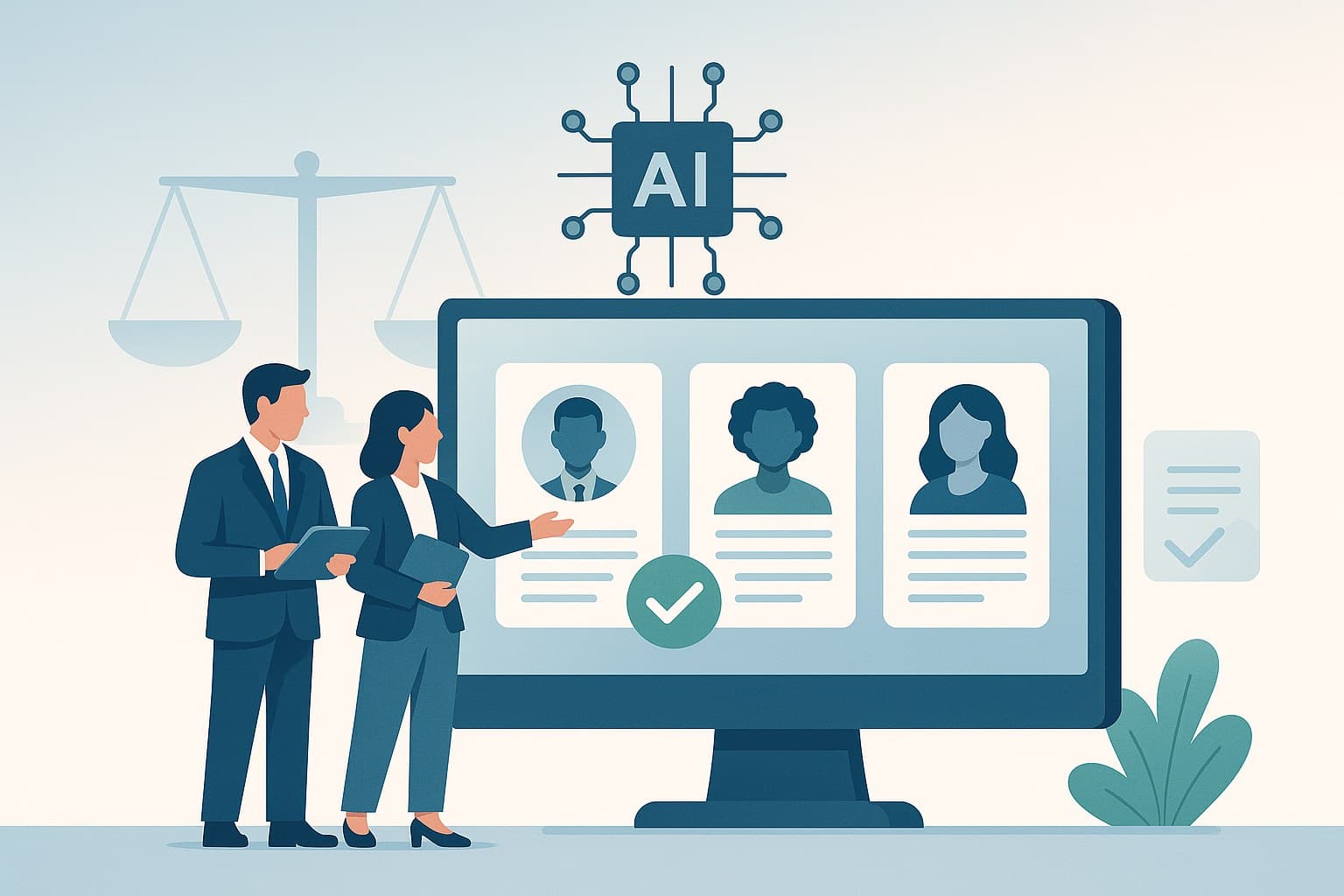
Title: Enhancing Hiring Success: A Deep Dive into AI Interview Predictive Validity Pilot 90-Day Metrics
In the rapidly evolving landscape of talent acquisition, organizations are constantly seeking innovative solutions to enhance their hiring processes. One such innovation is the integration of Artificial Intelligence (AI) into interview processes. This article explores the significance of AI interview predictive validity, focusing on the insights gathered from a 90-day pilot program. It is designed to provide HR leaders and corporate decision-makers with a comprehensive understanding of how AI can transform hiring outcomes.
Introduction to AI in Recruitment
Artificial Intelligence has been a game-changer in many industries, and recruitment is no exception. AI-powered tools are now being used to screen resumes, conduct preliminary interviews, and even predict candidate success. These technologies promise to reduce biases, increase efficiency, and ultimately improve the quality of hires.
Understanding Predictive Validity
Predictive validity refers to the extent to which a tool can accurately predict future job performance. In the context of AI interviews, it assesses whether the AI's analysis correlates with a candidate's subsequent performance. Establishing high predictive validity is crucial for ensuring that AI tools are genuinely beneficial in the hiring process.
The 90-Day Pilot Program
The pilot program conducted over 90 days involved several organizations across different sectors. The primary objective was to evaluate the effectiveness of AI-driven interviews in predicting candidate success and improving overall hiring outcomes. Key metrics used in the pilot included candidate performance scores, retention rates, and hiring manager satisfaction.
Key Metrics and Findings
-
Candidate Performance Scores
One of the main metrics evaluated was the correlation between AI interview scores and actual job performance. During the pilot, candidates who scored higher in AI interviews tended to perform better in their roles. This correlation was particularly strong in roles with well-defined performance metrics, such as sales and customer service positions.
-
Hiring Manager Satisfaction
Feedback from hiring managers indicated a high level of satisfaction with the AI interview process. Managers reported that AI interviews provided valuable insights that supplemented their assessments. However, some expressed concerns about over-reliance on AI, emphasizing the need for a balanced approach that combines AI insights with human judgment.
Benefits of AI Interview Predictive Validity
-
Reduced Bias
AI systems are designed to minimize human biases by focusing on data-driven insights rather than subjective judgments. This can lead to a more diverse and inclusive workplace, as decisions are based on objective criteria.
-
Efficiency and Speed
AI interviews can process and analyze candidate data much faster than human recruiters. This efficiency can significantly reduce the time-to-hire, allowing organizations to secure top talent before competitors.
-
Enhanced Candidate Experience
Candidates often appreciate the consistency and fairness of AI-driven processes. Clear, standardized assessments can improve the candidate experience and enhance the organization's reputation as an employer of choice.
Challenges and Considerations
Despite the promising results, there are challenges and considerations that organizations must address when integrating AI into their hiring processes.
-
Data Privacy and Ethics
The use of AI in hiring raises important questions about data privacy and ethics. Organizations must ensure that their AI systems comply with relevant data protection regulations and that candidates are informed about how their data will be used.
-
Algorithmic Bias
While AI can reduce certain biases, it is not immune to algorithmic bias. AI systems must be regularly audited and refined to ensure they do not inadvertently perpetuate existing biases.
-
Integration with Human Judgment
AI should complement, not replace, human judgment. It is essential to train hiring managers on how to effectively integrate AI insights with their evaluations to make well-rounded hiring decisions.
Conclusion
The 90-day AI interview predictive validity pilot provides compelling evidence that AI can enhance hiring processes by improving predictive accuracy, increasing retention rates, and enhancing overall efficiency. However, to fully realize these benefits, organizations must approach AI integration thoughtfully, addressing potential challenges and ensuring that AI tools are used ethically and effectively.
For HR leaders and corporate decision-makers, the message is clear: embracing AI in recruitment is not just about adopting new technology, but about transforming the hiring process to better align with the strategic goals of the organization. By doing so, companies can not only improve their hiring outcomes but also gain a competitive edge in the talent market.
As AI continues to evolve, staying informed and adaptable will be key. By leveraging AI's capabilities while maintaining a strong ethical and human-centric approach, organizations can create a more efficient, fair, and successful hiring process.
Frequently Asked Questions
Key questions often raised by business leaders and HR teams:
What is AI interview predictive validity?
AI interview predictive validity measures how accurately AI can predict a candidate's future job performance based on their interview scores.
How did the 90-day pilot program evaluate AI interviews?
The pilot evaluated AI interviews by analyzing candidate performance scores, retention rates, and hiring manager satisfaction over a 90-day period.
What are the benefits of using AI in hiring?
Benefits of AI in hiring include reduced bias, increased efficiency, and improved candidate experience, leading to better hiring outcomes.
What challenges are associated with AI in recruitment?
Challenges include data privacy concerns, algorithmic bias, and the need to integrate AI insights with human judgment effectively.
Why is it important to address algorithmic bias in AI?
Addressing algorithmic bias is crucial to ensure that AI systems do not perpetuate existing biases and promote fair hiring practices.