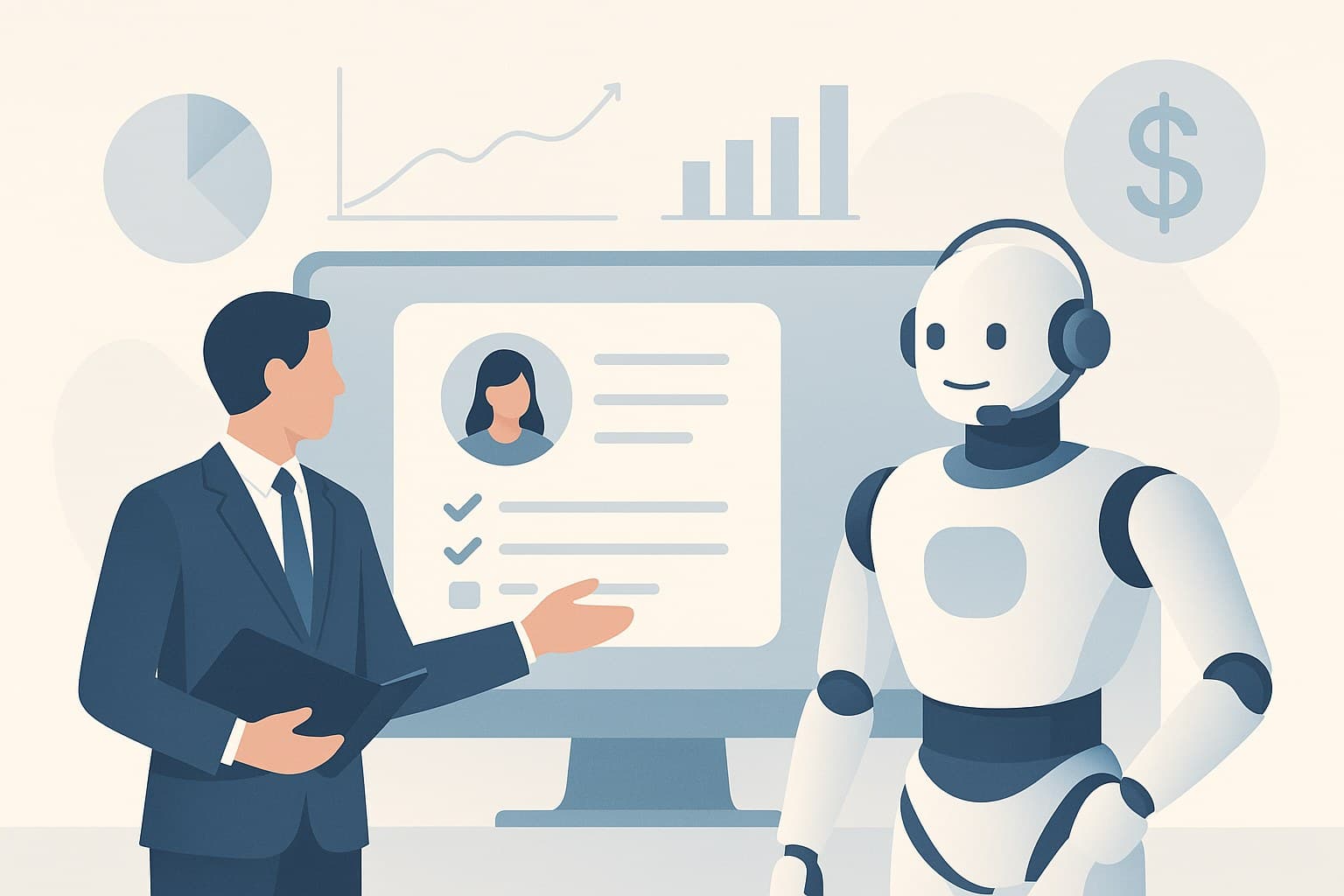
Leveraging AI Interview Pilots to Mitigate Managerial Non-Response: A Guide for Business Decision-Makers and HR Leaders
In today's fast-paced business environment, the ability to make informed decisions quickly and efficiently is a critical component of organizational success. One area where this is particularly important is in the recruitment and interview process. Traditional interviewing methods, often reliant on the availability and subjective judgment of managers, can lead to delays and inconsistencies. This is where AI interview pilots come into play, offering a transformative solution to reduce managerial non-response and streamline the hiring process.
Understanding Managerial Non-Response
Managerial non-response occurs when managers fail to promptly engage with or respond to the recruitment process. This can happen for several reasons: overwhelming workloads, lack of prioritization of recruitment tasks, or simply the inefficiencies inherent in traditional interviewing methods. The consequences of such non-responses can be severe, leading to prolonged hiring cycles, loss of top-tier candidates, and ultimately, a negative impact on team performance and company growth.
The Role of AI in Modern Recruitment
Artificial Intelligence (AI) has emerged as a powerful tool in modern recruitment, offering capabilities that extend beyond simple automation. AI interview pilots are designed to conduct initial candidate assessments, analyze responses, and provide objective data-driven insights that assist in the decision-making process. By incorporating AI into the recruitment strategy, companies can significantly reduce the burden on managers, allowing them to focus on candidates who are the best fit for their teams.
Key Benefits of AI Interview Pilots
-
Efficiency and Speed: AI interview pilots can quickly assess a large number of candidates, significantly reducing the time-to-hire. This ensures that potential employees are engaged promptly and not lost to competitors.
-
Consistency and Objectivity: AI systems evaluate candidates based on predefined criteria, ensuring that each applicant is assessed consistently. This minimizes the biases that can occur in human-led interviews and promotes a fairer recruitment process.
-
Data-Driven Insights: AI tools can analyze candidate data to identify patterns and predict success rates. This allows HR teams and managers to make more informed decisions based on analytics rather than intuition alone.
-
Enhanced Candidate Experience: Candidates often appreciate the prompt feedback and structured nature of AI-driven interviews. This can improve the overall candidate experience and enhance the company's reputation as an innovative and responsive employer.
-
Resource Optimization: By offloading the initial stages of the interview process to AI, managers can focus their efforts on strategic decision-making and team leadership, rather than administrative tasks.
Implementing AI Interview Pilots
For organizations looking to implement AI interview pilots, it is essential to follow a strategic approach:
-
Define Objectives: Clearly outline what you hope to achieve with AI integration. Whether it's reducing time-to-hire, improving candidate quality, or minimizing biases, setting specific goals will guide the implementation process.
-
Select the Right Technology: Choose an AI platform that aligns with your organizational needs. Consider factors such as ease of integration with existing systems, scalability, and the ability to customize evaluation criteria.
-
Train and Support Staff: Ensure that HR teams and managers are adequately trained to work with AI tools. Provide resources and support to facilitate a smooth transition and maximize the benefits of the technology.
-
Monitor and Adjust: Continuously monitor the performance of AI interview pilots. Gather feedback from candidates and internal stakeholders to identify areas for improvement and make necessary adjustments.
-
Ensure Compliance and Ethics: Maintain transparency with candidates about the use of AI in the interview process. Ensure that the technology complies with legal standards and ethical guidelines, particularly concerning data privacy and discrimination.
Challenges and Considerations
While AI interview pilots offer numerous advantages, there are challenges that organizations must consider:
-
Technical Limitations: AI systems are only as good as the data they are trained on. Ensure that your AI tools are regularly updated and refined to improve accuracy and relevance.
-
Human Element: Despite the efficiency of AI, human interaction remains a critical component of the recruitment process. Balance AI assessments with human interviews to ensure a comprehensive evaluation of candidates.
-
Resistance to Change: Some managers and employees may be skeptical of AI adoption. Address concerns through education and by demonstrating the tangible benefits of AI integration.
Conclusion
AI interview pilots represent a significant advancement in recruitment technology, offering a solution to the perennial challenge of managerial non-response. By embracing AI, organizations can enhance efficiency, improve candidate quality, and ultimately, gain a competitive edge in the talent market. For business decision-makers and HR leaders, the integration of AI into the interview process is not just an option but a strategic imperative to drive future success. As the digital landscape continues to evolve, staying ahead of the curve with AI technology will be crucial in attracting and retaining the best talent.
Frequently Asked Questions
Key questions often raised by business leaders and HR teams:
What are AI interview pilots?
AI interview pilots are tools that conduct initial candidate assessments using artificial intelligence, providing data-driven insights to streamline the recruitment process.
How do AI interview pilots improve hiring efficiency?
They quickly assess a large pool of candidates, reducing time-to-hire and ensuring timely engagement with potential employees.
What challenges might organizations face when implementing AI in recruitment?
Organizations may encounter technical limitations, resistance to change among staff, and the need to balance AI assessments with human interaction.
Why is it important to ensure compliance and ethics in AI recruitment?
Maintaining transparency and adhering to legal standards is crucial to protect candidate data and prevent discrimination during the hiring process.
Can AI interview pilots replace human recruiters?
While AI can enhance efficiency, human interaction remains vital for comprehensive candidate evaluation, making a balanced approach essential.