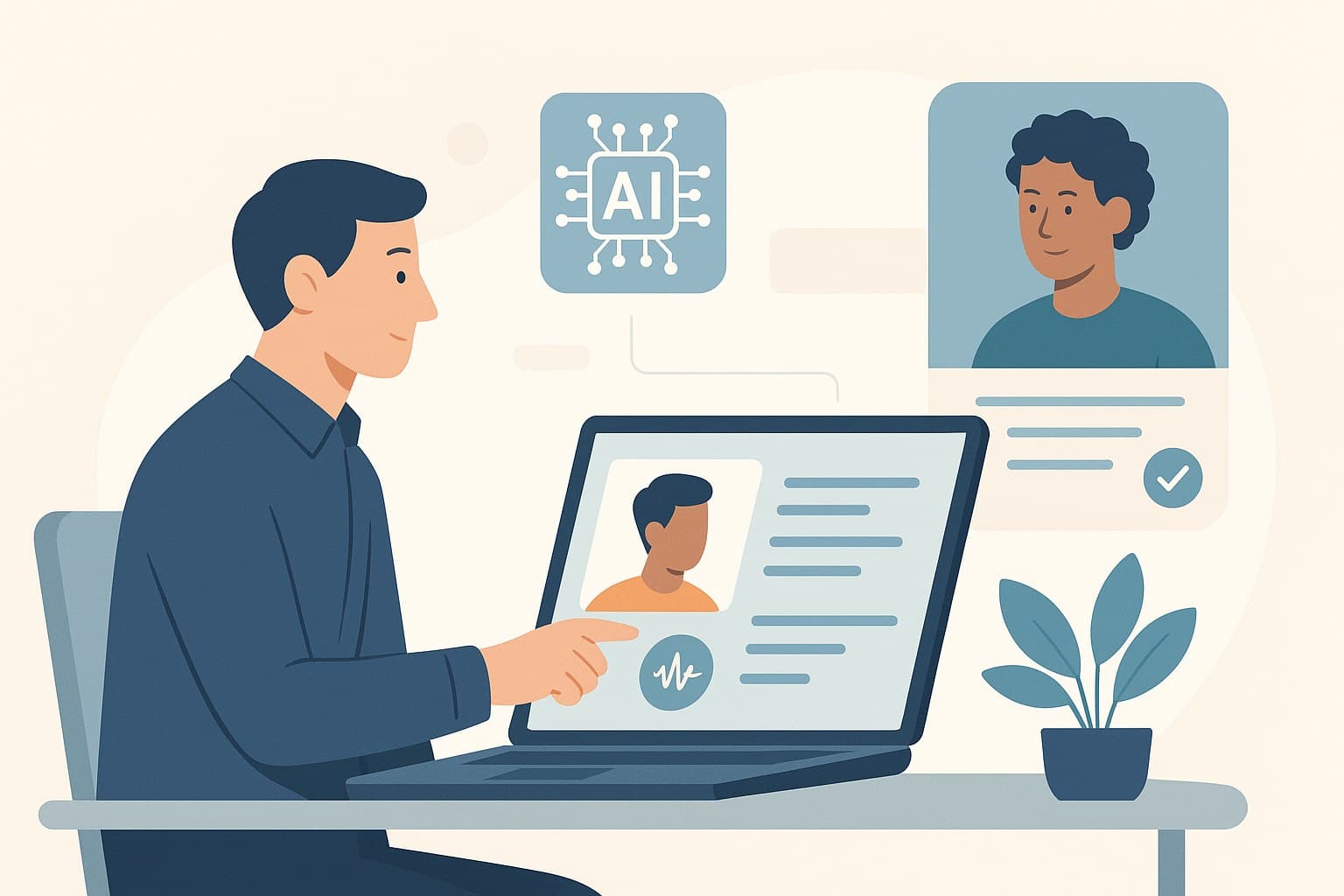
Leveraging AI Interview Platforms for Enterprise HR: A New Paradigm in Talent Acquisition
In today's rapidly evolving business landscape, the ability to adapt and innovate is crucial for maintaining a competitive edge. One area where innovation is particularly impactful is in the recruitment and talent acquisition process. As enterprises seek to streamline operations and enhance efficiency, AI interview platforms have emerged as a transformative tool for Human Resources (HR) departments. For decision-makers and HR leaders, understanding the potential of these platforms is essential to harnessing their full benefits.
The Evolution of Recruitment
Traditional recruitment processes often involve multiple stages, from sourcing and screening candidates to conducting interviews and making hiring decisions. This can be time-consuming and resource-intensive, particularly for large enterprises that receive thousands of applications for a single position. Moreover, human biases can inadvertently influence the selection process, leading to less-than-optimal hiring decisions.
Enter AI interview platforms—sophisticated systems that leverage artificial intelligence to automate and enhance various stages of the recruitment process. These platforms offer a range of functionalities, including resume screening, candidate assessment, and even conducting preliminary interviews. By integrating AI into recruitment, enterprises can achieve greater efficiency, consistency, and objectivity.
Key Benefits of AI Interview Platforms
-
Efficiency and Speed: AI interview platforms can significantly reduce the time-to-hire by automating repetitive tasks. For instance, AI algorithms can quickly scan and evaluate resumes, identifying top candidates in a fraction of the time it would take a human recruiter. This allows HR teams to focus on more strategic activities, such as engaging with candidates and building relationships.
-
Enhanced Candidate Experience: In a competitive job market, providing a positive candidate experience is crucial. AI platforms can facilitate seamless communication and provide timely updates, ensuring candidates remain engaged throughout the process. Additionally, AI-driven assessments and interviews can be scheduled at the candidate's convenience, offering flexibility and enhancing the overall experience.
-
Improved Accuracy and Objectivity: AI systems are designed to minimize human biases that can affect recruitment decisions. By evaluating candidates based on data-driven insights and predefined criteria, AI platforms can ensure a more objective selection process. This not only leads to better hiring outcomes but also promotes diversity and inclusion within the organization.
-
Scalability: For enterprises that need to fill multiple positions simultaneously, AI interview platforms offer unparalleled scalability. These systems can handle high volumes of applications without compromising on quality, making them ideal for large-scale recruitment drives or seasonal hiring needs.
-
Data-Driven Insights: AI platforms provide HR leaders with valuable data and analytics, enabling them to make informed decisions. By analyzing patterns and trends in candidate performance, HR teams can refine their recruitment strategies and improve future hiring outcomes.
Implementing AI Interview Platforms: Considerations for HR Leaders
While the benefits of AI interview platforms are compelling, successful implementation requires careful planning and consideration. HR leaders should focus on the following key areas:
-
Integration with Existing Systems: To maximize the benefits of AI, it's important to ensure seamless integration with existing HR systems, such as Applicant Tracking Systems (ATS) and Human Resource Information Systems (HRIS). This enables a unified approach to recruitment and facilitates data sharing across platforms.
-
Training and Change Management: Introducing AI into the recruitment process may require a shift in mindset and practices among HR teams. Providing adequate training and support is essential to ensure a smooth transition and encourage adoption. Change management strategies can help address any resistance and highlight the advantages of AI-driven recruitment.
-
Data Privacy and Compliance: As with any technology that handles personal data, it's crucial to ensure compliance with data protection regulations. HR leaders must work closely with legal and IT teams to establish robust data privacy policies and safeguard candidate information.
-
Continuous Evaluation and Improvement: AI technology is constantly evolving, and it's important to regularly evaluate the performance of AI interview platforms. Gathering feedback from both candidates and recruiters can provide insights into areas for improvement and help refine the system to better meet organizational needs.
The Future of AI in Recruitment
As AI technology continues to advance, its role in recruitment is set to expand. Future developments may include more sophisticated natural language processing capabilities, enabling AI platforms to conduct more nuanced and conversational interviews. Additionally, AI systems could evolve to provide more personalized candidate recommendations, taking into account factors such as company culture and team dynamics.
For enterprise HR leaders, staying ahead of these trends is crucial to maintaining a competitive edge in talent acquisition. By embracing AI interview platforms, organizations can not only enhance their recruitment processes but also position themselves as forward-thinking employers of choice.
In conclusion, AI interview platforms represent a new paradigm in enterprise HR, offering significant benefits in terms of efficiency, objectivity, and scalability. For decision-makers and HR leaders, leveraging these platforms is an opportunity to transform recruitment practices and drive organizational success. As the business landscape continues to evolve, embracing AI-driven solutions will be key to attracting and retaining top talent in an increasingly competitive market.
Frequently Asked Questions
Key questions often raised by business leaders and HR teams:
What are AI interview platforms?
AI interview platforms are tools that use artificial intelligence to automate and enhance various stages of the recruitment process, including resume screening and candidate assessment.
How do AI interview platforms improve recruitment efficiency?
These platforms automate repetitive tasks, allowing HR teams to quickly identify top candidates and focus on strategic activities, significantly reducing the time-to-hire.
What considerations should HR leaders keep in mind when implementing AI interview platforms?
HR leaders should ensure integration with existing systems, provide training for staff, address data privacy concerns, and continuously evaluate the platform's performance.
Can AI interview platforms help reduce hiring biases?
Yes, AI systems are designed to evaluate candidates based on data-driven insights, minimizing human biases and promoting a more objective selection process.