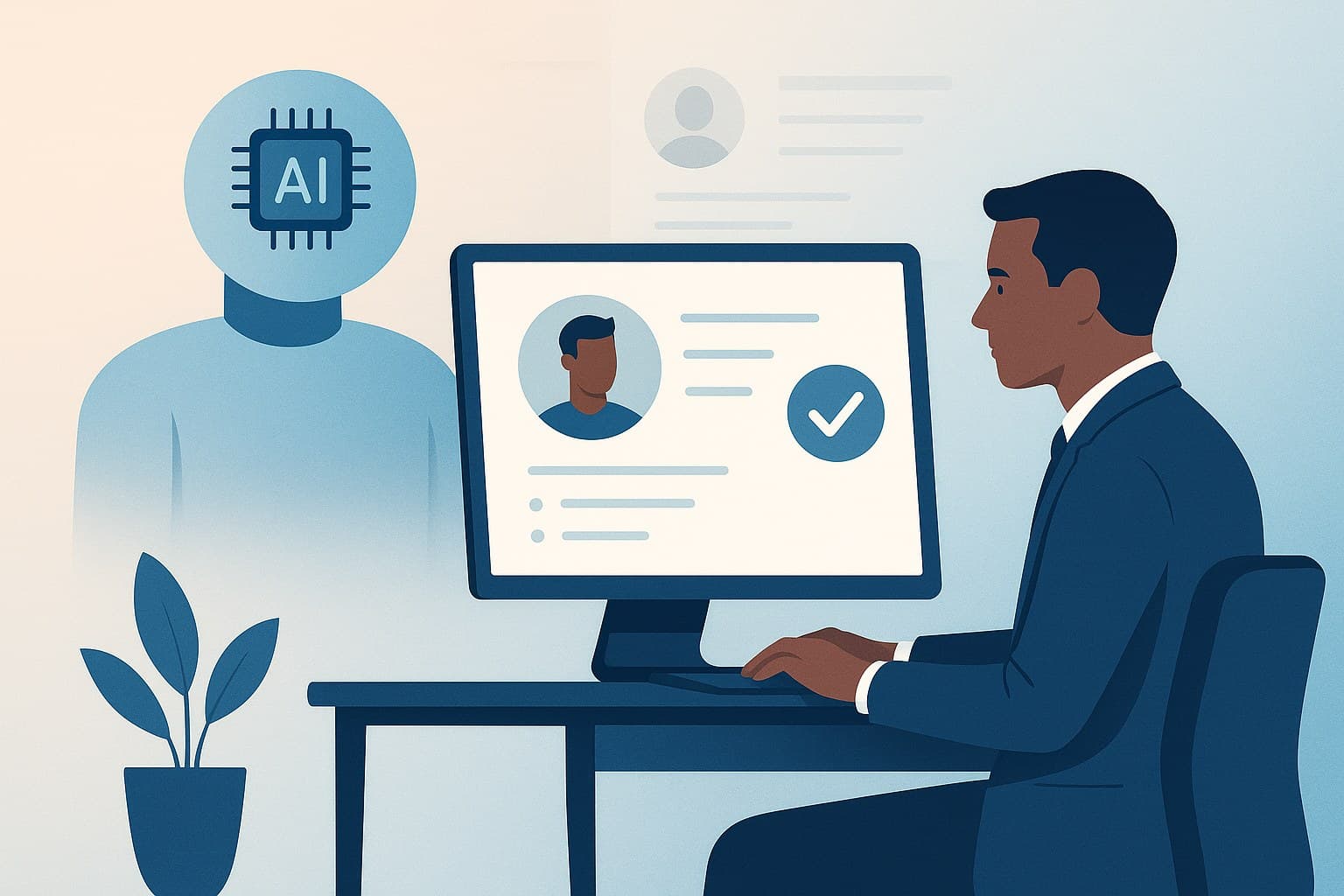
AI Interview Predictive Validity Pilot 90-Day Metrics: A Comprehensive Analysis
As the job market becomes increasingly competitive, companies are turning to technology to streamline their recruitment process. One such technology that has gained popularity in recent years is AI (Artificial Intelligence) in the form of structured interviews. These interviews use AI algorithms to evaluate candidates based on predetermined criteria, promising to save time, reduce bias, and improve the quality of hires. However, many companies are still skeptical about the effectiveness of AI interviews and are looking for metrics to measure its predictive validity.
In this article, we will delve into the concept of AI interview predictive validity pilot 90-day metrics, its key insights, and how it can help organizations make informed decisions about their recruitment process. We will also explore the role of AI in structured interviews and how it can impact the hiring process. Finally, we will discuss how MIND Interview, an AI recruitment platform, can help organizations achieve their recruitment goals.
The Importance of AI Interview Predictive Validity Pilot 90-Day Metrics
Before we delve into the metrics, let's first understand the concept of predictive validity. Predictive validity refers to the ability of a tool or method to accurately predict future outcomes. In the context of recruitment, predictive validity means selecting assessment methods that are statistically shown to correlate with job performance. By using metrics to measure the predictive validity of AI interviews, organizations can ensure that they are using an effective and reliable tool to make hiring decisions.
The 90-day metric is specifically designed for pilot studies, where a small group of candidates is evaluated using AI interviews, and their performance is tracked for 90 days after being hired. This timeframe allows for a fair evaluation of the candidates' performance and their fit within the organization. By tracking key performance indicators (KPIs) such as quality-of-hire at six months, time-to-productivity, retention at one year, and manager satisfaction ratings, organizations can get a clear picture of the effectiveness of AI interviews in their hiring process.
Key Insights: Define KPIs that Reflect Actual Outcomes
The success of any recruitment method can be measured by the actual outcomes it produces. In the case of AI interviews, the key to understanding its effectiveness lies in defining KPIs that reflect the actual outcomes that organizations are looking for. These KPIs should not only focus on the candidate's performance but also take into account the impact on the organization as a whole.
One of the main benefits of using AI interviews is the promise of reducing bias in the hiring process. However, this can only be measured if organizations track the diversity of candidates interviewed and hired. By monitoring the diversity of candidates, organizations can ensure that AI interviews are not perpetuating any biases and are providing equal opportunities to all candidates.
Another important KPI to track is the time-to-productivity of candidates. AI interviews are designed to evaluate candidates based on the skills and competencies required for the job. By tracking the time it takes for candidates to become productive in their roles, organizations can assess the accuracy of AI interviews in predicting the candidate's potential for success.
Retention at one year is another key KPI to track. High retention rates are crucial for organizations as it not only reduces turnover costs but also indicates the effectiveness of their recruitment process. By comparing the retention rates of candidates hired through AI interviews to those hired through traditional methods, organizations can determine the impact of AI interviews on their employee turnover.
Lastly, manager satisfaction ratings can provide valuable insights into the effectiveness of AI interviews. Managers are the ones who work closely with the new hires and can provide feedback on their performance and fit within the company. By tracking manager satisfaction ratings, organizations can identify any discrepancies between the predictions made by AI interviews and the actual performance of the new hires.
The Role of AI in Structured Interviews
Now let's shift our focus to the role of AI in structured interviews. Structured interviews are a type of job interview where every candidate is asked the same set of questions in the same order. The responses are then evaluated against predetermined criteria, providing a fair and consistent comparison between candidates. It eliminates the subjectivity of traditional interviews, where candidates may be asked different questions, making it difficult to compare their responses.
AI adds another layer of consistency and experience to structured interviews. By using AI algorithms, the interview process is standardized, ensuring that every candidate is evaluated fairly. This also eliminates any potential biases that may exist in traditional interviews, such as gender, race, or age. Additionally, AI interviews can also analyze non-verbal cues such as tone, expression, and body language, providing a more holistic evaluation of the candidate.
One company that has successfully integrated AI into structured interviews is MIND Interview. Their platform, powered by AI Verify, offers 24/7 asynchronous AI video interviews with scoring on expression, tone, logic, and structure. This not only saves time for the hiring team but also provides a comprehensive evaluation of the candidate's communication skills, which are crucial for success in any role.
How MIND Interview Can Help Organizations Achieve Their Recruitment Goals
One of the most significant pain points for organizations in the recruitment process is cross-timezone and cross-language interview scheduling. MIND Interview solves this by offering multilingual and global-ready interviews, where candidates can interview in any language and their reports can be translated in one click for multilingual hiring teams.
MIND Interview also offers a unique headhunting service, where consultants and AI work together to deliver recommendation reports with interview recordings. This feature is especially useful for high-volume and campus/MA recruiters, as well as cross-border hiring teams.
Frequently Asked Questions
Key questions often raised by business leaders and HR teams:
What is predictive validity in recruitment?
Predictive validity refers to the ability of a recruitment tool to accurately predict future job performance and outcomes.
How do 90-day metrics help in evaluating AI interviews?
90-day metrics track candidates' performance post-hire, providing insights into their fit and productivity, which helps assess the effectiveness of AI interviews.
What are key performance indicators (KPIs) for AI interviews?
Key performance indicators include quality-of-hire, time-to-productivity, retention rates, and manager satisfaction ratings.
How does AI reduce bias in the hiring process?
AI standardizes the interview process, ensuring that all candidates are evaluated on the same criteria, thus minimizing potential biases.
What role does MIND Interview play in AI recruitment?
MIND Interview offers an AI-driven platform that streamlines the recruitment process with features like AI resume analysis and asynchronous video interviews.