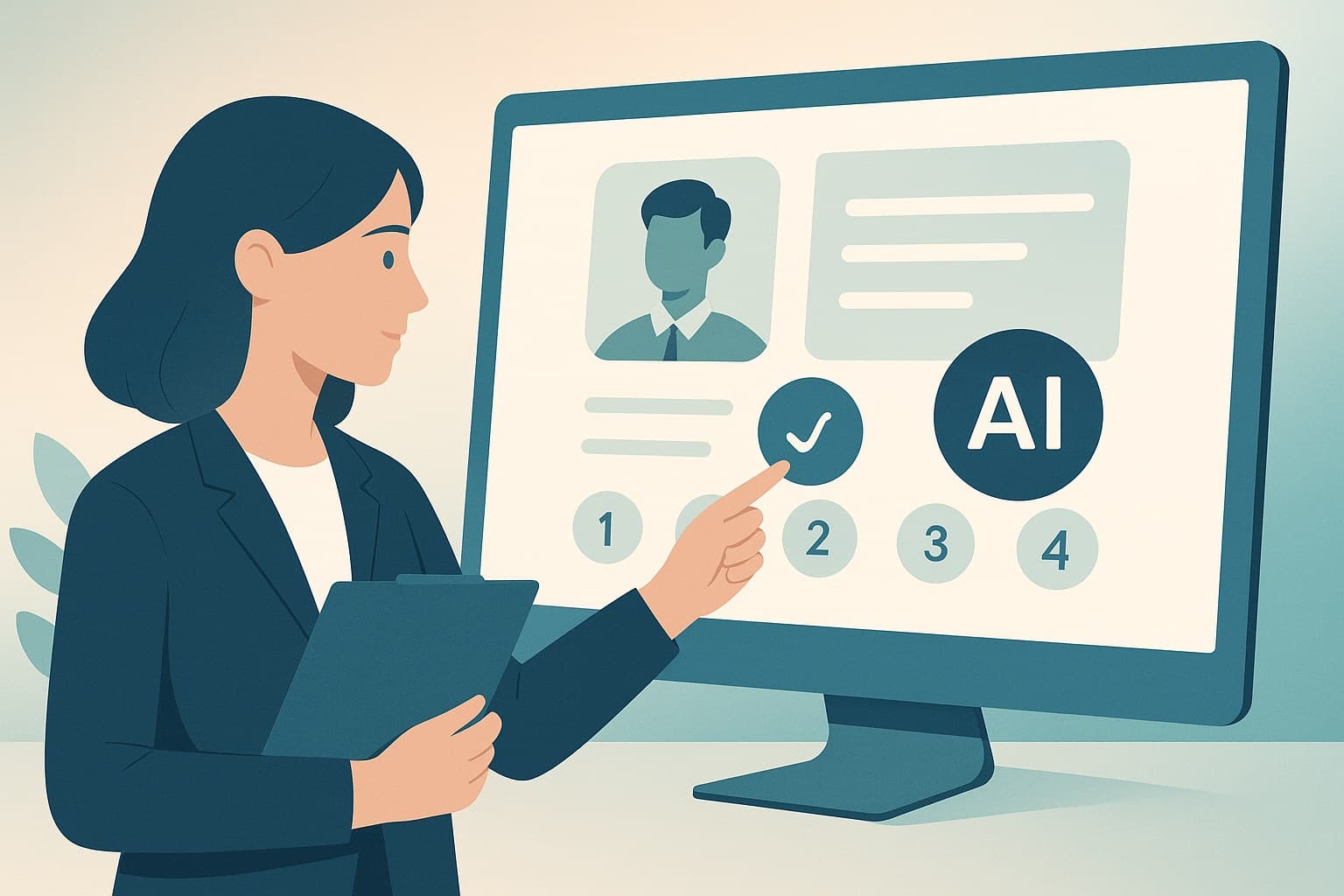
Title: Navigating AI Interview Video Privacy, EEO, and State Law: A Guide for Corporate Decision-Makers and HR Leaders
Introduction
In the rapidly evolving landscape of recruitment technology, artificial intelligence (AI) powered interview platforms have revolutionized the hiring process. These tools promise efficiency, consistency, and objectivity. However, they also introduce complex challenges related to privacy, Equal Employment Opportunity (EEO) compliance, and state-specific legal frameworks. As corporate decision-makers and HR leaders, understanding and addressing these issues is critical to leveraging AI technology effectively while safeguarding your organization's legal and ethical standards.
The Rise of AI in Recruitment
AI-driven interview platforms analyze candidate responses through video recordings to assess traits such as communication skills, emotional intelligence, and cultural fit. These systems can streamline the hiring process, reduce biases, and provide data-driven insights. However, the use of AI in this capacity raises significant privacy concerns. Video interviews involve collecting, storing, and analyzing personal data, which necessitates careful handling to protect candidate privacy.
Privacy Concerns and Best Practices
-
Transparency and Consent: It is imperative to inform candidates about how their data will be used. Obtain explicit consent before recording interviews and explain the purpose of data collection, storage duration, and how the information will be used. Transparency builds trust and ensures compliance with privacy laws.
-
Data Security: Implement robust security measures to protect interview videos from unauthorized access or breaches. Encryption, secure storage solutions, and regular audits are essential to maintaining data integrity.
-
Data Minimization: Collect only the information necessary for the hiring process. Avoid excessive data retention by establishing clear guidelines on data deletion once it's no longer needed.
EEO Compliance: AI Bias and Fairness
The use of AI in interviews must align with EEO principles, ensuring that hiring practices do not discriminate based on race, gender, age, disability, or other protected characteristics. While AI can reduce human biases, it can also inadvertently perpetuate them if not properly managed.
-
Algorithmic Fairness: Regularly audit AI algorithms to ensure they do not favor or disadvantage any group. This involves testing for disparate impact and making necessary adjustments to algorithms.
-
Diverse Training Data: Use diverse datasets to train AI models. Biases in training data can lead to discriminatory outcomes, so it's essential to include a wide range of demographic groups.
-
Human Oversight: Maintain a human element in decision-making. AI should assist rather than replace human judgment. Ensure that recruiters are trained to interpret AI recommendations critically and make final decisions.
State Law Considerations
State laws vary significantly regarding data protection, privacy, and employment practices. It is crucial to stay informed about the legal requirements in the states where your organization operates. Key areas to consider include:
-
Data Privacy Laws: States like California (CCPA) and Illinois (BIPA) have stringent data privacy regulations. Understand the specific requirements related to data collection, consent, and user rights in each jurisdiction.
-
Employment Laws: State-level employment laws may impose additional obligations on employers using AI in hiring. For instance, Illinois requires candidates to be notified and consent to AI analysis in video interviews.
-
Record-Keeping Requirements: Some states have specific record-keeping laws for employment-related data. Ensure compliance by maintaining accurate records of consent, data usage, and retention policies.
Implementing an Ethical and Legal AI Strategy
To effectively integrate AI interview technologies while adhering to privacy, EEO, and state legal standards, consider the following steps:
-
Policy Development: Develop comprehensive policies that address AI use in recruitment, focusing on privacy, bias prevention, and legal compliance. Regularly update these policies to reflect changes in technology and law.
-
Training and Education: Provide training for HR teams and decision-makers on the ethical use of AI in hiring. Ensure they understand the technological, legal, and ethical implications of AI systems.
-
Vendor Due Diligence: When selecting AI vendors, conduct thorough due diligence. Assess their compliance with privacy laws, EEO standards, and their commitment to ethical AI development.
-
Continuous Monitoring: Regularly review and update AI systems and processes. Monitor for potential biases, legal compliance, and effectiveness in achieving recruitment goals.
Conclusion
As AI continues to transform recruitment, it presents both opportunities and challenges. For corporate decision-makers and HR leaders, navigating these complexities requires a proactive approach to privacy, EEO compliance, and state law adherence. By implementing transparent practices, ensuring algorithmic fairness, and staying informed about legal obligations, organizations can harness the power of AI to enhance their recruitment processes while upholding ethical and legal standards. This balanced approach not only protects the organization from legal risks but also builds a reputation as a fair and forward-thinking employer in the competitive talent market.
Frequently Asked Questions
Key questions often raised by business leaders and HR teams:
What are the privacy concerns with AI interview videos?
AI interview videos raise significant privacy concerns, including data collection, storage, and analysis of personal information. It's crucial to obtain candidate consent and ensure data security.
How can organizations ensure EEO compliance when using AI?
Organizations can ensure EEO compliance by regularly auditing AI algorithms for bias, using diverse training data, and maintaining human oversight in decision-making.
What state laws should be considered when implementing AI in hiring?
State laws vary widely, with some states having strict data privacy regulations and specific employment laws regarding AI usage. It's essential to stay informed about these legal requirements.
What best practices should be followed for data security in AI interviews?
Best practices include implementing robust security measures, such as encryption and secure storage, and regularly auditing data access to protect candidate information.
How can organizations develop an ethical AI strategy for recruitment?
Organizations can develop an ethical AI strategy by creating comprehensive policies, providing training for HR teams, conducting vendor due diligence, and continuously monitoring AI systems.