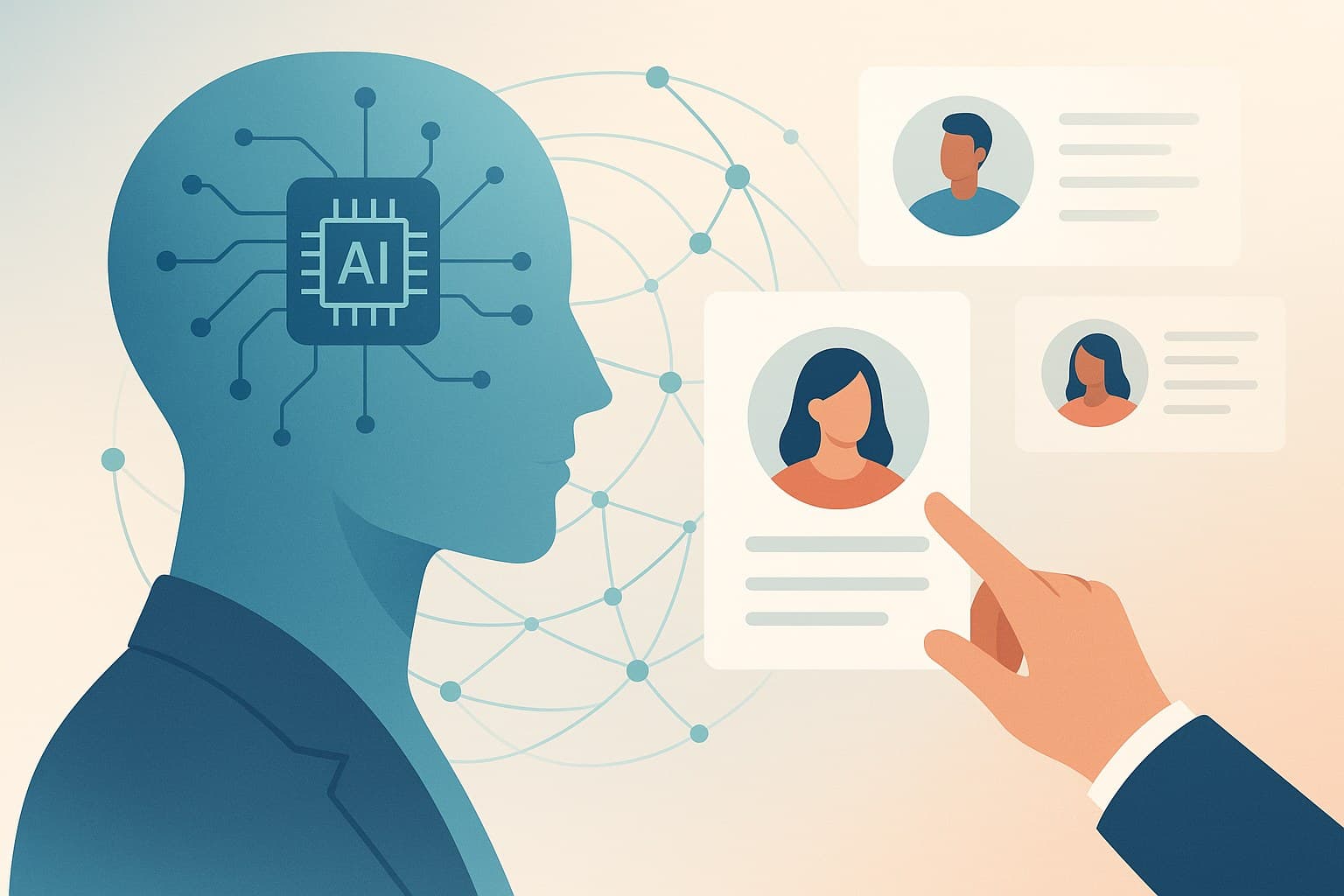
Leveraging AI for Interview Process Optimization: A POC Playbook for Decision-Makers and HR Leaders
In the rapidly evolving landscape of recruitment, Artificial Intelligence (AI) is becoming an indispensable tool for enhancing the efficiency and effectiveness of interview processes. As decision-makers and HR leaders, understanding how to implement AI-driven solutions can significantly streamline operations, reduce bias, and improve candidate experiences. This article presents a Proof of Concept (POC) playbook designed to guide you through integrating AI into your interview process.
Understanding the Need for AI in Interviews
The traditional interview process is often fraught with challenges such as unconscious bias, inconsistent evaluation criteria, and time-intensive procedures. AI offers the potential to mitigate these issues by providing data-driven insights, automating repetitive tasks, and ensuring a more objective assessment of candidates. For HR leaders seeking to maintain a competitive edge, embracing AI is no longer optional but essential.
Developing a Clear POC Strategy
A successful AI integration begins with a well-defined POC strategy. This involves several critical steps:
-
Identify Objectives and Metrics
- Clearly define what you aim to achieve with AI in your interview process. This could range from reducing time-to-hire, improving candidate quality, enhancing diversity, or increasing hiring manager satisfaction.
- Establish measurable metrics to evaluate the success of the AI implementation. Metrics could include reductions in time spent per interview, improved candidate feedback scores, or increased diversity ratios.
-
Select Suitable AI Tools
- Choose AI tools that align with your objectives. Common tools include AI-driven chatbots for initial candidate screening, video interview platforms with sentiment analysis capabilities, and assessment software that evaluates technical skills using AI algorithms.
- Consider factors such as ease of integration with existing systems, scalability, data security, and vendor support when selecting tools.
-
Pilot with a Controlled Group
- Start with a small segment of your hiring process to minimize risk and gather insightful data. This could involve a specific department or a particular type of role.
- Ensure that the pilot group is adequately trained and informed about the new AI tools to facilitate smooth adoption.
Implementing the POC
With a strategy in place, the next phase involves the practical implementation of the POC:
-
Data Collection and Preparation
- Gather historical data and current process workflows to train AI models effectively. This data might include past interview records, candidate feedback, and hiring outcomes.
- Ensure data privacy and compliance with regulations such as GDPR by anonymizing candidate information where necessary.
-
Integration with Existing Systems
- Work closely with IT to integrate AI tools with your current HR systems, such as Applicant Tracking Systems (ATS) or Human Resource Information Systems (HRIS).
- Address any technical challenges promptly to prevent disruptions in the recruitment process.
-
Continuous Monitoring and Feedback
- Regularly monitor the performance of AI tools against the defined metrics. This will help in identifying areas for improvement and ensuring the AI system is functioning as intended.
- Collect feedback from both candidates and hiring managers to refine the AI implementation further.
Evaluating POC Results
After a defined trial period, evaluate the outcomes of the POC against your initial objectives:
-
Analyze Data and Insights
- Review the data collected during the POC to assess improvements in efficiency, candidate quality, and diversity.
- Look for patterns and insights that can inform future recruitment strategies.
-
Stakeholder Review
- Present the findings to key stakeholders, including senior management and department heads, to secure buy-in for broader AI adoption.
- Use insights from the POC to address any concerns or resistance to change.
-
Make Data-Driven Decisions
- Decide whether to scale the AI implementation based on the POC results. If successful, develop a roadmap for wider adoption across the organization.
- Continuously iterate the process, leveraging AI to address evolving recruitment challenges.
Ethical Considerations and Best Practices
While AI offers numerous benefits, HR leaders must also consider ethical implications:
-
Bias Mitigation
- Ensure AI algorithms are regularly audited and updated to minimize biases in candidate selection and evaluation.
- Use diverse data sets for training AI models to prevent the reinforcement of existing biases.
-
Transparency and Communication
- Maintain transparency with candidates about how AI is used in the interview process. This includes informing them about data usage and decision-making processes.
- Foster a culture of open communication within the organization to address any concerns related to AI adoption.
-
Compliance and Data Security
- Adhere to all relevant legal and ethical standards regarding data privacy and security. Implement robust measures to protect candidate data from breaches.
Conclusion
Integrating AI into the interview process is a strategic move that can yield significant benefits for organizations willing to embrace change. By following a structured POC playbook, HR leaders and decision-makers can effectively implement AI solutions that enhance the recruitment process, drive better hiring outcomes, and maintain a competitive advantage. As AI technology continues to evolve, staying informed and adaptable will be key to leveraging its full potential in recruitment.
Frequently Asked Questions
Key questions often raised by business leaders and HR teams:
What is a POC playbook in AI recruitment?
A POC playbook outlines the steps to integrate AI into the recruitment process, focusing on objectives, tool selection, and implementation strategies.
How can AI reduce bias in interviews?
AI can minimize bias by providing data-driven insights and standardizing evaluation criteria, ensuring a more objective assessment of candidates.
What metrics should I track when implementing AI in interviews?
Key metrics include time-to-hire, candidate quality, diversity ratios, and hiring manager satisfaction scores.
Is it necessary to pilot AI tools before full implementation?
Yes, piloting AI tools with a controlled group allows you to gather insights and address challenges before broader adoption.
What ethical considerations should I keep in mind when using AI?
Consider bias mitigation, data privacy compliance, and maintaining transparency with candidates about AI usage in the interview process.