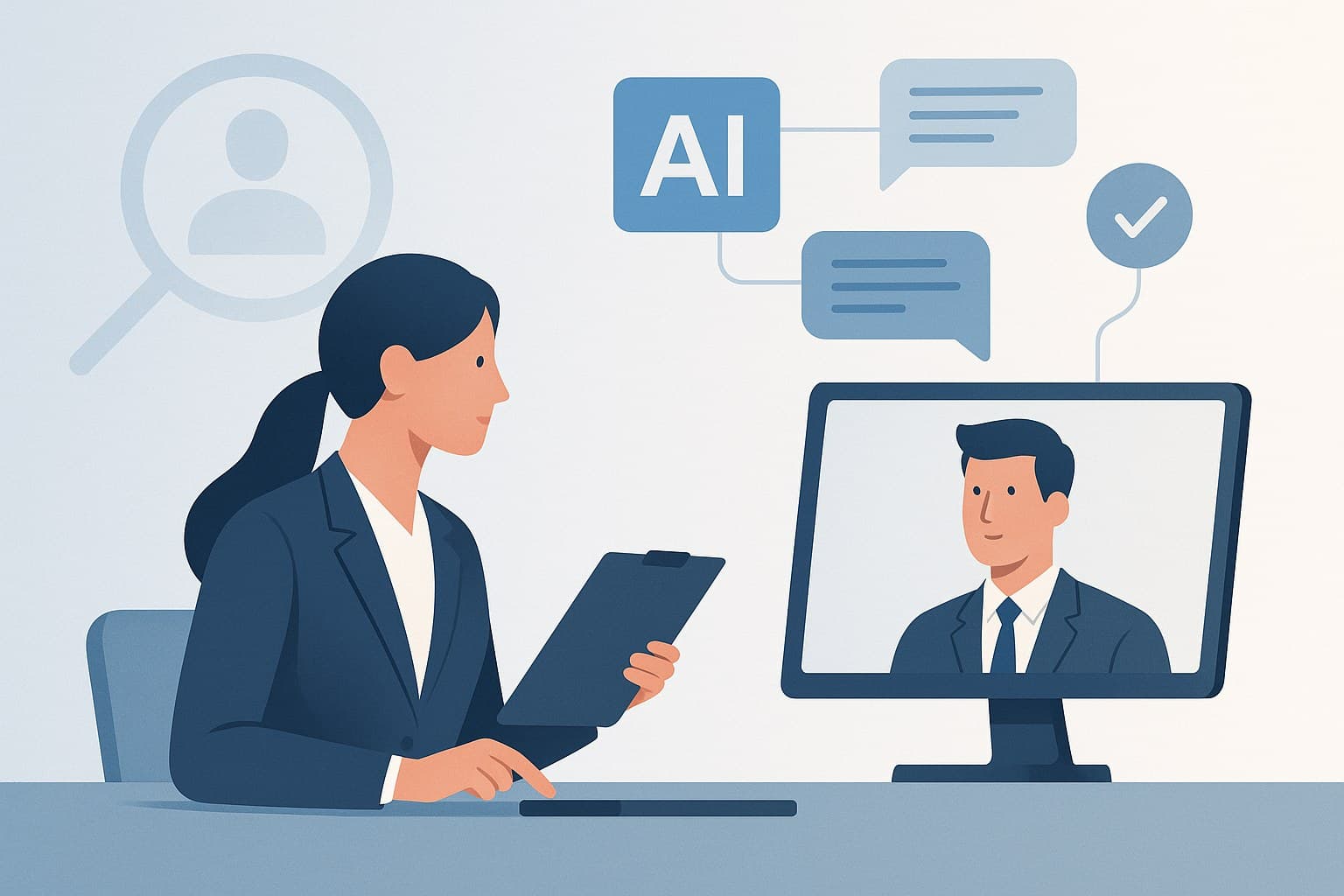
Title: Leveraging AI in Interview Retention Across U.S. States: A Strategic Guide for HR Leaders
In today's rapidly evolving business landscape, retaining talent is just as crucial as acquiring it. As organizations across the United States grapple with high turnover rates, HR leaders are increasingly turning to innovative solutions to enhance employee retention. One such solution is the integration of Artificial Intelligence (AI) in the interview process. By leveraging AI, companies can not only streamline their hiring processes but also significantly improve their retention rates. This article explores how AI can be harnessed for interview retention across different U.S. states and offers strategic insights for HR decision-makers.
Understanding AI's Role in the Interview Process
AI technologies have the potential to revolutionize traditional interview processes. From resume screening to conducting initial interviews, AI can handle various tasks, freeing up time for HR professionals to focus on strategic initiatives. However, AI's role doesn't end with recruitment—it extends to improving employee retention.
AI can help identify candidates who are not only qualified but also culturally aligned with the organization. By analyzing data from previous hires, AI tools can predict which candidates are likely to stay longer and contribute positively to the company culture. This predictive capability is crucial for reducing turnover rates, especially in states with high employee mobility.
The State-Wise Perspective: AI and Retention
Different states present unique challenges and opportunities when it comes to employee retention. For instance, states like California and New York, known for their competitive job markets, may benefit significantly from AI's ability to identify candidates with a strong alignment to company values and long-term potential. Conversely, states with lower employee churn, such as North Dakota or Maine, can use AI to maintain their high retention rates by focusing on cultural fit and career development opportunities.
In states with diverse populations, AI can also help ensure diversity and inclusion by eliminating biases in the hiring process. This is particularly important as companies strive to build inclusive workplaces that reflect the communities they serve.
Strategic Implementation of AI for HR Leaders
For HR leaders aiming to implement AI in their interview processes, a strategic approach is essential. Here are some key steps and considerations:
-
Define Clear Objectives: Before deploying AI, companies must define what they hope to achieve. Are they looking to reduce time-to-hire, improve candidate quality, or enhance retention rates? Clear objectives will guide the selection and implementation of AI tools.
-
Choose the Right Technology: Not all AI solutions are created equal. HR leaders should select tools that fit their specific needs, whether it's an AI-driven applicant tracking system or a tool for predictive analytics. Consider the scalability and flexibility of the technology to ensure it can grow with your organization.
-
Data Privacy and Ethics: With AI, data privacy and ethical considerations are paramount. Ensure that any AI tool complies with local and federal regulations, and be transparent with candidates about how their data will be used. Ethical AI practices not only protect the company but also build trust with current and prospective employees.
-
Training and Change Management: Implementing AI requires a culture shift. HR teams should be trained to work alongside AI tools, interpreting data effectively and making informed decisions. Moreover, a change management strategy should be in place to guide the transition and address any resistance.
-
Continuous Evaluation and Improvement: The implementation of AI should be an ongoing process. Regularly evaluate the effectiveness of AI tools in achieving retention goals and be open to making adjustments as needed. Feedback from hiring managers and new hires can provide valuable insights for continuous improvement.
Conclusion
AI offers a powerful tool for HR leaders aiming to improve interview retention across U.S. states. By strategically implementing AI, companies can enhance their hiring processes, fostering a more engaged and loyal workforce. However, the success of AI in retention hinges on clear objectives, ethical practices, and continuous improvement.
As the business landscape continues to evolve, those who embrace AI and adapt to new technologies will be better positioned to attract and retain top talent. For HR decision-makers, the message is clear: AI is not just a tool for the future; it's a vital component of today's strategic HR toolkit.
Frequently Asked Questions
Key questions often raised by business leaders and HR teams:
How can AI improve interview retention rates?
AI can analyze candidate data to identify those who are culturally aligned with the organization, thus increasing the likelihood of long-term retention.
What are the key steps to implement AI in HR?
Define clear objectives, choose the right technology, ensure data privacy, provide training, and continuously evaluate the AI tools' effectiveness.
Are there any ethical concerns with using AI in hiring?
Yes, it's crucial to comply with data privacy regulations and be transparent with candidates about how their data will be used to build trust.
Can AI help in promoting diversity in hiring?
Absolutely, AI can help eliminate biases in the hiring process, ensuring a diverse and inclusive workforce.
What are some success stories of AI in HR?
Companies like a Texas tech firm and a Florida healthcare provider have successfully used AI to enhance retention rates by focusing on cultural fit and candidate values.