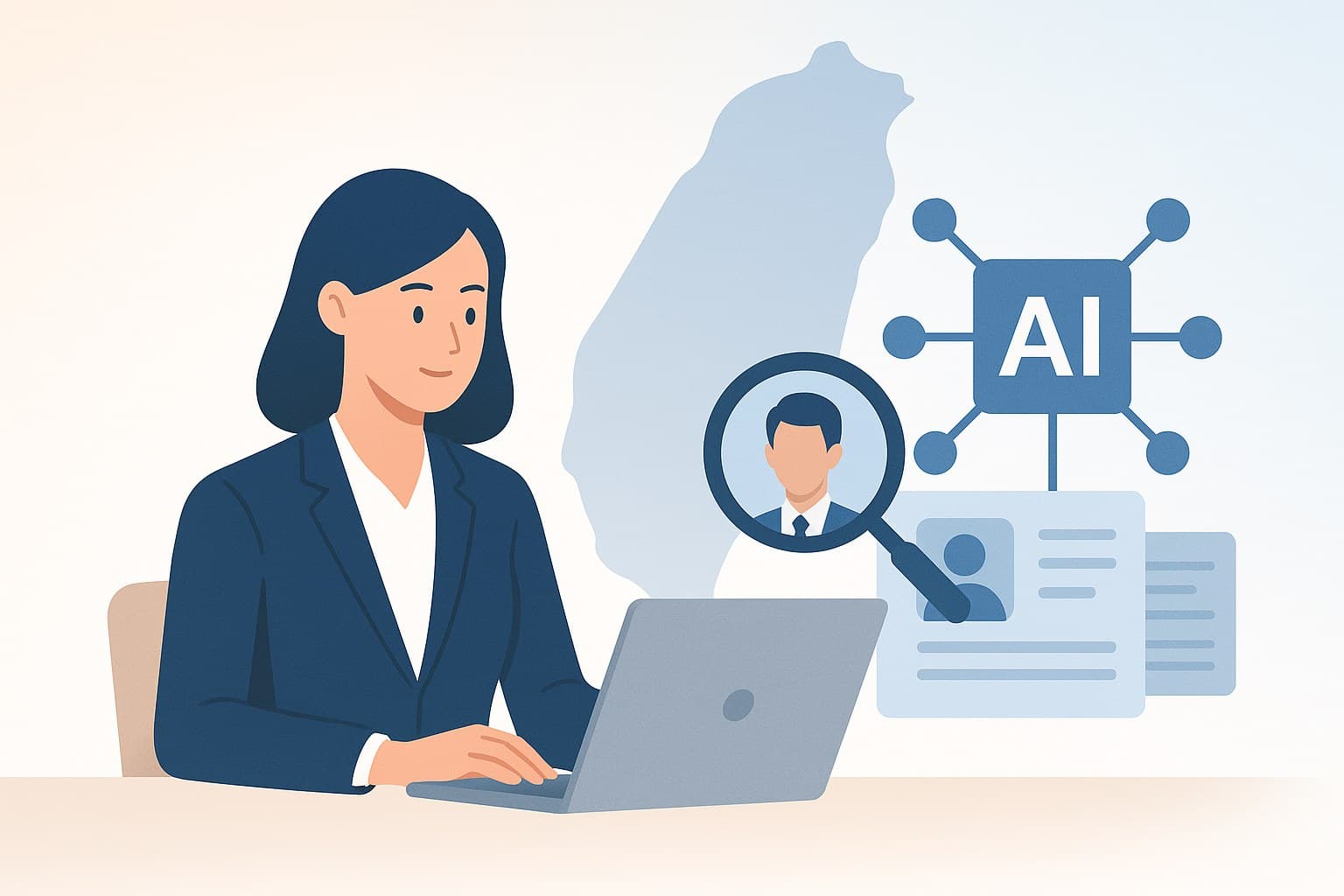
Title: Implementing a 90-Day AI Interview Rollout Plan: A Comprehensive Guide for Business Leaders and HR Executives
In today's rapidly evolving business environment, leveraging artificial intelligence (AI) in recruitment processes is no longer a futuristic notion but a competitive necessity. Companies that integrate AI into their hiring processes can benefit from enhanced efficiency, improved candidate experiences, and better data-driven decisions. This article outlines a structured 90-day AI interview rollout plan designed to help business leaders and HR executives effectively implement AI-driven interviewing solutions.
Day 1-30: Laying the Foundation
1. Assess Current Processes and Set Objectives Begin by conducting a comprehensive evaluation of your existing interview processes. Identify pain points such as time-consuming manual screenings, unconscious biases, or high turnover rates. Set clear objectives for the AI integration, such as reducing time-to-hire, enhancing candidate experience, or improving diversity.
2. Research and Select AI Tools Explore various AI interviewing platforms available in the market. Consider factors such as the platform's scalability, ease of integration with existing systems, data security measures, and user-friendliness. Engage with vendors to understand their offerings and request demonstrations.
3. Stakeholder Engagement and Buy-In Involve key stakeholders from HR, IT, and senior management early in the process. Present the benefits of AI-driven interviews and how they align with the organization's strategic goals. Securing buy-in from these stakeholders is crucial for a successful rollout.
4. Develop a Project Team Assemble a cross-functional project team responsible for overseeing the AI implementation. This team should include HR professionals, IT specialists, and data analysts. Define roles and responsibilities clearly to ensure smooth collaboration.
5. Create a Detailed Implementation Plan Draft a detailed implementation plan outlining key milestones, timelines, and resource allocations. This plan should include pilot testing phases, training sessions, and evaluation metrics to measure success.
Day 31-60: Pilot Testing and Training
6. Pilot AI Interviews Implement a pilot program with a small segment of your recruitment process. This could involve using AI for initial screenings or conducting AI-assisted video interviews. Monitor the pilot closely to identify any issues or areas for improvement.
7. Collect Feedback and Make Adjustments Gather feedback from both candidates and recruiters involved in the pilot. Use this feedback to make necessary adjustments to the AI system or the interview process. This iterative approach ensures the system aligns with your organizational needs.
8. Train HR Staff and Interviewers Conduct training sessions for HR staff and interviewers on how to effectively use the AI tools. Provide them with best practices for interpreting AI-generated insights and making informed decisions. Training should also address any ethical considerations related to AI usage.
9. Address Ethical and Bias Concerns Ensure that the AI tools you are using are designed to minimize bias and uphold ethical standards. Work with vendors to understand their algorithms and data handling practices. Develop guidelines for ethical AI usage in recruitment.
Day 61-90: Full Implementation and Evaluation
10. Roll Out AI Interviews Organization-Wide Expand the use of AI interviews to all relevant recruitment processes across the organization. Ensure that the transition is smooth by providing ongoing support and addressing any technical or operational challenges.
11. Monitor and Evaluate Performance Establish metrics to evaluate the impact of AI interviews on your recruitment objectives. Key performance indicators may include time-to-hire, candidate satisfaction scores, and diversity metrics. Use data analytics to gain insights into the AI system's effectiveness.
12. Continuous Improvement AI technologies evolve rapidly. Stay informed about the latest advancements and continuously seek ways to improve your AI interview process. Regularly review performance data and be open to adopting new features or making changes as needed.
13. Communicate Success and Learnings Share the successes and learnings from the AI interview rollout with the entire organization. Highlight how AI has transformed your recruitment processes and contributed to achieving strategic goals. Celebrate milestones and acknowledge the efforts of the project team.
Conclusion
Implementing AI in your interview process is a significant step towards modernizing your recruitment strategy. By following this 90-day rollout plan, business leaders and HR executives can ensure a smooth transition to AI-driven interviews, leading to more efficient hiring processes and better candidate experiences. As AI technology continues to advance, staying proactive and adaptive will be key to maintaining a competitive edge in talent acquisition.
Frequently Asked Questions
Key questions often raised by business leaders and HR teams:
What is the first step in implementing an AI interview process?
The first step is to assess your current interview processes and set clear objectives for AI integration.
How can I ensure my team is ready for AI tools?
Conduct training sessions for HR staff and interviewers to effectively use AI tools and understand best practices.
What should I do if I encounter issues during the pilot phase?
Gather feedback from participants and make necessary adjustments to improve the AI system and interview process.
How do I measure the success of AI interviews?
Establish key performance indicators like time-to-hire and candidate satisfaction scores to evaluate the impact of AI interviews.
What are the ethical considerations when using AI in recruitment?
It's important to use AI tools designed to minimize bias and uphold ethical standards in the hiring process.