
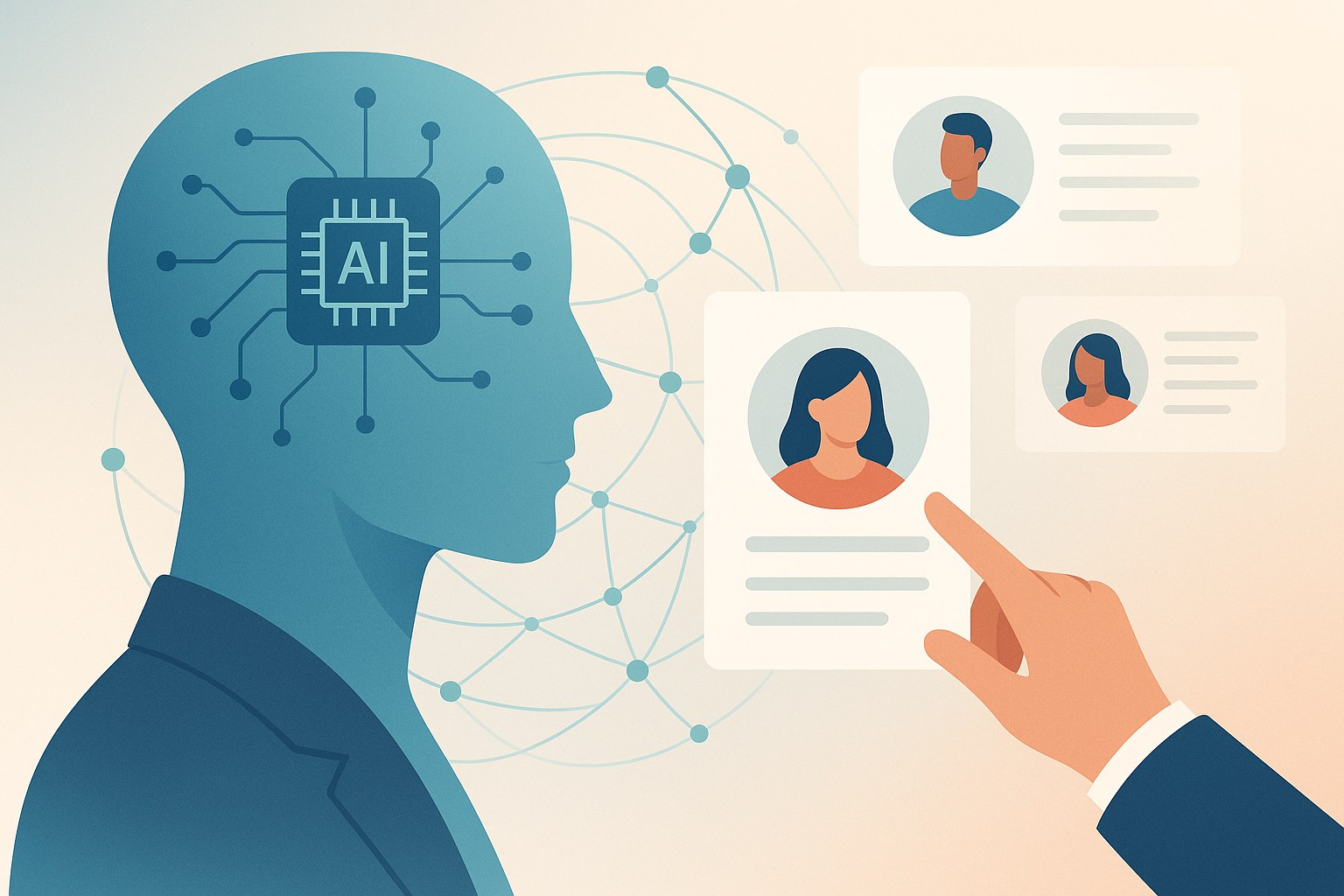
AI Interview Scoring Rubric Validation: Ensuring Reliable and Fair Hiring Decisions
In today's competitive job market, companies are constantly looking for ways to streamline their hiring process and find the best candidates for their open positions. With the rapid advancement of technology, artificial intelligence (AI) has emerged as a solution to help organizations efficiently and effectively screen and assess job applicants.
One of the key components of AI in recruitment is the use of scoring rubrics to evaluate candidates. These rubrics provide a standardized set of criteria for assessing candidates, allowing for a more objective and fair evaluation. However, the effectiveness of these rubrics relies heavily on their validation. In this article, we will delve into the importance of AI interview scoring rubric validation and how it can impact hiring decisions.
The Role of AI in Hiring
Before we dive into the specifics of AI interview scoring rubric validation, it is important to understand the role of AI in the hiring process. AI in recruitment refers to the use of technology, such as machine learning and natural language processing, to assist in the screening and evaluation of job candidates.
The use of AI in recruitment has gained popularity in recent years due to its ability to save time and resources, as well as reduce bias in the hiring process. By automating the initial stages of recruitment, AI allows hiring teams to focus on the most qualified candidates, leading to better hiring decisions.
The Importance of Scoring Rubrics in AI Interviewing
The foundation of AI in recruitment lies in the use of scoring rubrics. These rubrics outline the specific criteria and behaviors that candidates will be assessed on during the hiring process. A well-structured scoring system with clear behavioral criteria produces reliable rankings, while a vague rubric can lead to inconsistent and unfair evaluations.
The use of scoring rubrics in AI interviewing allows for a more objective evaluation of candidates, as it removes the potential for human bias. By focusing on specific skills and behaviors, AI can provide a more accurate assessment of a candidate's qualifications, leading to better hiring decisions.
The Need for AI Interview Scoring Rubric Validation
While scoring rubrics are a crucial component of AI in recruitment, they are not infallible. The effectiveness of these rubrics relies heavily on their validation. Without proper validation, there is a risk of inaccurate evaluations and biased outcomes.
AI interview scoring rubric validation is the process of ensuring that the rubric accurately measures the skills and behaviors it is designed to assess. This involves testing the rubric on a diverse set of candidates and comparing the results to the desired outcomes. It is an ongoing process that requires constant review and adjustments to ensure fairness and effectiveness.
The Impact of AI Interview Scoring Rubric Validation on Hiring Decisions
The validation of AI interview scoring rubrics has a direct impact on hiring decisions. A well-validated rubric ensures that all candidates are evaluated fairly and accurately, leading to better hiring decisions. On the other hand, an invalid rubric can lead to biased evaluations, resulting in the exclusion of qualified candidates and potentially legal ramifications.
Moreover, the validation process also allows for continuous improvement of the scoring rubric. As organizations gather more data and insights from the validation process, they can make necessary updates to the rubric to ensure it aligns with the evolving needs of the company.
Best Practices for AI Interview Scoring Rubric Validation
To ensure the effectiveness of AI interview scoring rubrics, organizations must follow best practices for validation. This includes:
1. Clearly Define Criteria and Behaviors
The first step in validation is to clearly define the criteria and behaviors that the rubric will assess. This involves identifying the key skills and behaviors required for the job and translating them into specific measurable criteria.
2. Gather Diverse Candidate Data
To validate a scoring rubric, it is important to test it on a diverse group of candidates. This includes individuals from different backgrounds, cultures, and demographics to ensure the rubric is fair and unbiased.
3. Compare Results to Desired Outcomes
Once the rubric has been tested on a diverse set of candidates, the results should be compared to the desired outcomes. This will reveal any discrepancies or biases that need to be addressed.
4. Continuously Review and Update the Rubric
AI interview scoring rubric validation is an ongoing process. As organizations gather more data and insights, they should continuously review and update the rubric to ensure it remains effective and aligns with the company's needs.
The Solution: MIND Interview
As the demand for AI in recruitment continues to grow, it is essential for organizations to have a reliable and validated scoring rubric in place. This is where MIND Interview comes in. MIND Interview is an enterprise-grade AI recruitment platform that combines AI resume analysis with structured asynchronous AI video interviews. This platform, under AI Verify governance, ensures fair and unbiased hiring decisions by validating the scoring rubric and eliminating human bias.
With MIND Interview, organizations can experience the benefits of AI in recruitment, such as a shortened screening time and a more objective evaluation of candidates. Additionally, MIND Interview offers features such as visualized candidate reports and one-click report translations for multilingual hiring teams.
In conclusion, AI interview scoring rubric validation is crucial for ensuring reliable and fair hiring decisions. By following best practices and utilizing platforms like MIND Interview, organizations can streamline their hiring process and find the best candidates for their open positions. To learn more about MIND Interview and its features, visit https://www.mind-interview.com/en/.
Takeaways
- AI in recruitment relies on scoring rubrics to assess candidates objectively and fairly.
- The effectiveness of scoring rubrics depends on their validation.
- AI interview scoring rubric validation is an ongoing process that requires continuous review and adjustments.
- MIND Interview is an enterprise-grade AI recruitment platform that offers validated scoring rubrics and other features to ensure fair and unbiased hiring decisions.
Frequently Asked Questions
Key questions often raised by business leaders and HR teams:
What is AI interview scoring rubric validation?
AI interview scoring rubric validation ensures that the scoring criteria accurately measure the skills and behaviors of candidates, leading to fair evaluations.
Why is validation important in recruitment?
Validation is crucial as it prevents biased evaluations and ensures that all candidates are assessed fairly, which can improve hiring outcomes.
How can organizations validate their scoring rubrics?
Organizations can validate scoring rubrics by testing them on a diverse group of candidates and comparing results to desired outcomes.
What are best practices for AI interview scoring rubric validation?
Best practices include clearly defining criteria, gathering diverse candidate data, comparing results to desired outcomes, and continuously reviewing the rubric.