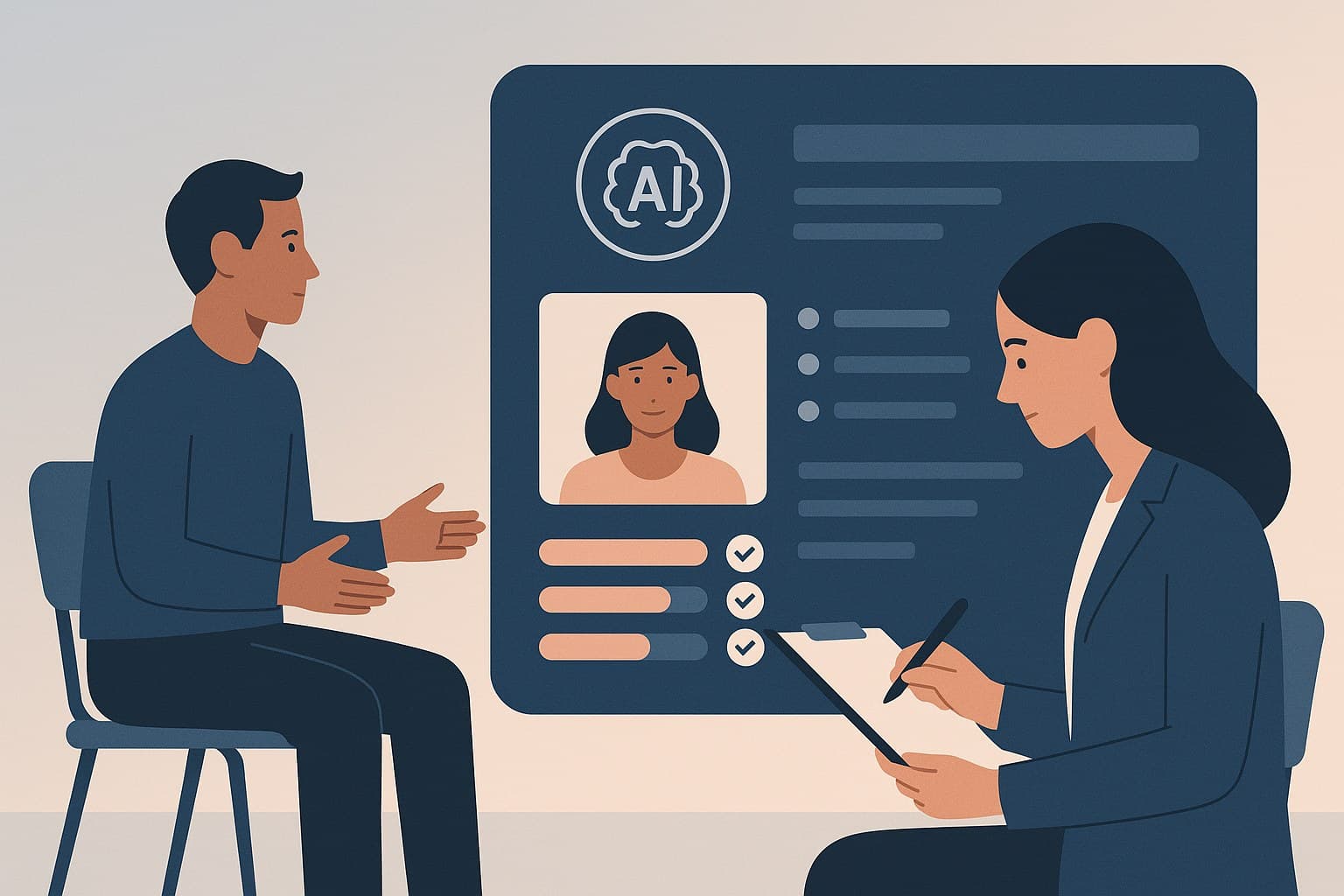
AI Interview Soft Skills Evaluation: Unlocking the Human Element in the Age of Automation
The rise of artificial intelligence (AI) has revolutionized the way we live and work. From virtual assistants to self-driving cars, AI is transforming industries and changing the way we interact with technology. And with the increasing use of AI in recruitment, it's no surprise that the traditional job interview is also being impacted.
AI-powered interview software is becoming increasingly popular among companies looking to streamline their hiring process and find the best candidates. But with so much emphasis on technical skills and qualifications, how can AI evaluate the soft skills that are crucial for success in the workplace?
In this article, we'll delve into the world of AI interview soft skills evaluation and explore how this technology is changing the way we assess candidates.
The Evaluation Criteria for AI Interviews
When it comes to evaluating candidates, AI interview software uses a combination of natural language processing (NLP) and machine learning algorithms to analyze and understand responses. These algorithms are designed to assess candidates based on five key soft skills – communication, adaptability, problem-solving, teamwork, and emotional intelligence.
Each of these soft skills is evaluated independently, with a focus on specific behaviors and competencies. For example, when evaluating communication skills, the software looks for the use of active listening, clear and concise language, and the ability to articulate thoughts and ideas effectively. Similarly, adaptability is assessed by looking for examples of how a candidate has responded to change and handled unforeseen challenges in the past.
But how accurate are these evaluations? According to a study by Pymetrics, a company that uses AI for candidate assessments, their algorithms are 90% accurate in identifying successful candidates. This suggests that AI is a reliable tool for evaluating soft skills, but it's important to note that these evaluations are still based on how a candidate performs in a simulated environment rather than in a real workplace setting.
The Rise of AI: Data Privacy and Protection
As AI technology continues to advance, concerns around data privacy and protection are also on the rise. With the introduction of the General Data Protection Regulation (GDPR) in the EU and the California Consumer Privacy Act (CCPA) in the US, organizations are now more accountable for the collection, processing, and storage of personal data.
These frameworks govern how personal data is collected, processed, stored, accessed, and retained, with controls designed to protect confidentiality and privacy. With AI interview software, the responsibility falls on the organization to ensure that the data collected is used ethically and in compliance with these regulations.
To address these concerns, some AI interview software companies have implemented transparency and accountability measures, such as providing candidates with information on how their data will be used and giving them the option to opt-out of the process. This not only ensures compliance with regulations but also builds trust with candidates and promotes a positive candidate experience.
The Human Element: Bringing Soft Skills Back into the Picture
While AI is undoubtedly a powerful tool for evaluating soft skills, it's important to remember that it can never fully replace the human element in the hiring process. Soft skills are inherently human – they involve emotions, empathy, and the ability to connect with others – and these qualities can't be accurately assessed by a machine.
Instead, AI should be seen as a complement to the traditional recruitment process, helping to eliminate bias and provide a more efficient and scalable way of identifying top candidates. But ultimately, it's the human recruiters who make the final decision based on an overall assessment of a candidate's qualifications, experience, and soft skills.
How to Prepare for an AI Interview
As AI continues to play a larger role in the recruitment process, it's essential for candidates to understand how to prepare for an AI interview. Here are some tips to help you ace your next AI-powered interview:
- Know the company and the role: Just like with any other interview, it's important to research the company and the role you're applying for. This will help you understand the organization's values, culture, and expectations, and enable you to tailor your responses accordingly.
- Practice behavioral questions: Instead of asking random questions, AI interview software uses behavioral questions that prompt candidates to explain how they acted in real situations. Practice answering these types of questions to ensure you can provide clear and concise examples.
- Be yourself: While it's important to prepare for an AI interview, it's also essential to be authentic. Don't try to game the system or give answers you think the software is looking for. Be true to yourself and let your personality shine through.
In Conclusion
AI interview soft skills evaluation is here to stay, and as technology continues to evolve, we can expect to see more organizations incorporating it into their recruitment process. It offers many benefits, including increased efficiency, reduced bias, and improved candidate experience. However, it's important to remember that AI is just one piece of the puzzle – the human element is still crucial in making the final hiring decision.
As candidates, it's important to understand how AI interviews work and how to prepare for them. By leveraging your soft skills and combining them with technical qualifications, you can increase your chances of success in the ever-evolving job market. So embrace the technology, but don't forget to showcase your unique human qualities that make you stand out from the rest.
Frequently Asked Questions
Key questions often raised by business leaders and HR teams:
What are soft skills and why are they important in interviews?
Soft skills include communication, teamwork, and emotional intelligence, which are crucial for workplace success. They help employers assess how well candidates will fit into their company culture.
How does AI evaluate soft skills during interviews?
AI uses natural language processing and machine learning algorithms to analyze candidates' responses, focusing on specific behaviors associated with key soft skills.
Can AI completely replace human recruiters?
No, while AI can streamline the process and reduce bias, the human element remains vital for making nuanced hiring decisions.
How can candidates prepare for an AI interview?
Candidates should research the company, practice behavioral questions, and be authentic in their responses to showcase their personality.
What are the privacy concerns related to AI interviews?
With regulations like GDPR and CCPA, organizations must handle personal data ethically and transparently, ensuring candidates are informed about data usage.