Run AI Interview Pilot with Unions and Legal: Navigating the Intersection of Technology and Employment Law
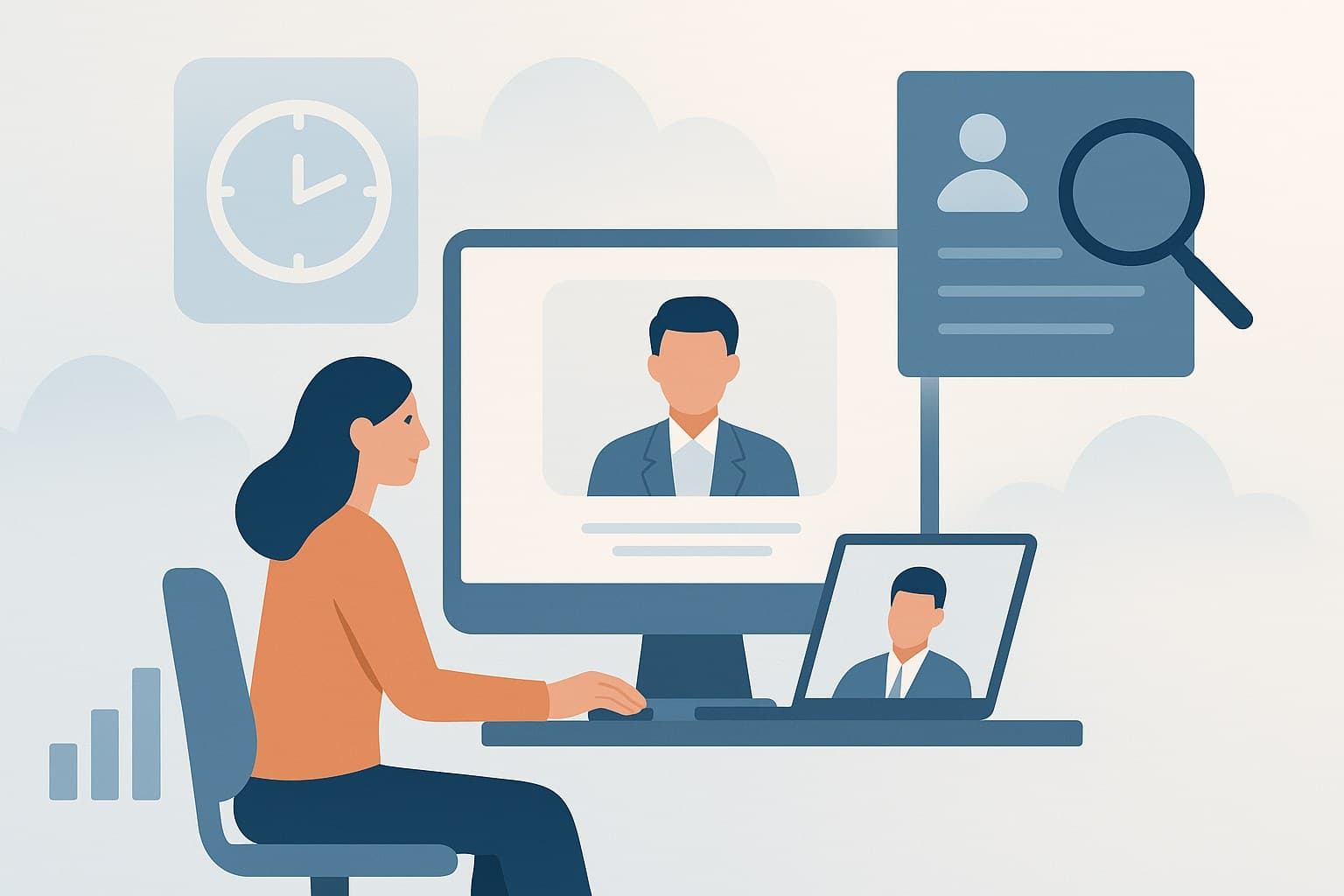
As the job market becomes increasingly competitive, companies are turning to technology to streamline their hiring processes. One such technology that has gained popularity in recent years is AI interview software. These programs use artificial intelligence to assess and analyze a candidate's responses to interview questions, providing employers with insights and recommendations for their hiring decisions.
While the use of AI in the hiring process may offer benefits such as efficiency and objectivity, it also raises concerns about potential biases and discrimination. As a result, some unions and legal bodies have raised questions about the use of AI in interviews, leading to the need for companies to navigate this intersection carefully.
In this article, we will explore the current landscape of running AI interview pilots with unions and legal considerations. We will delve into the key insights and data points from our research and provide actionable takeaways for companies considering implementing AI interview software in their hiring process.
The Rise of AI Interview Software
The use of AI in the hiring process is not a new concept. However, with advancements in technology, AI interview software has become more prevalent in recent years. These programs use natural language processing and machine learning algorithms to analyze a candidate's responses to interview questions and provide insights to employers.
One of the main benefits of using AI interview software is its ability to reduce bias in the hiring process. By removing human decision-making, these programs claim to provide an objective evaluation of a candidate's skills and qualifications. They also help reduce the time and resources spent on traditional interviews, making the hiring process more efficient.
According to a survey conducted by Montage, a video and AI hiring platform, 50% of companies are currently using AI in their hiring process, and an additional 22% are planning to implement it in the next year. These numbers show the growing trend towards the use of AI in recruitment.
Legal Considerations
While the use of AI in the hiring process may offer benefits, it also raises concerns about potential biases and discrimination. As a result, some legal bodies have taken steps to regulate its use.
One notable example is the Illinois Artificial Intelligence Video Interview Act (the “Illinois Act”), which went into effect on January 1, 2020. This act requires companies to provide candidates with a notice and obtain their consent before using AI interview software. It also prohibits the use of certain features that may contribute to discriminatory practices, such as facial analysis and voice recognition.
Additionally, the Equal Employment Opportunity Commission (EEOC) has stated that employers must ensure their hiring processes comply with federal laws that prohibit discrimination based on race, color, religion, sex, and national origin. This includes the use of AI interview software, which must not have a disparate impact on any protected group.
Union Concerns
Unions have also expressed concerns about the use of AI in the hiring process. One of the main concerns is the lack of transparency in the algorithms used by AI interview software. Unions argue that this lack of transparency can lead to discriminatory hiring practices and can make it difficult for candidates to understand why they were not selected for a job.
Moreover, unions believe that the use of AI interview software may lead to the displacement of workers who would typically be involved in the hiring process, such as recruiters and hiring managers. This can create tension between employers and unions, leading to potential legal issues.
Navigating the Intersection of Technology and Employment Law
With the rise of AI interview software and the concerns raised by legal bodies and unions, companies must navigate this intersection carefully. Failure to do so can result in legal repercussions and damage to their reputation.
To start, companies should ensure that their AI interview software complies with all applicable laws and regulations, including the Illinois Act and federal anti-discrimination laws. This can be achieved by working closely with legal counsel and ensuring that the software is regularly audited for potential biases.
Transparency is also crucial. Companies should be transparent with candidates about the use of AI interview software and provide them with a clear understanding of how their data will be used. This can help build trust with candidates and avoid any potential legal issues.
Furthermore, involving unions in the decision-making process can help address any concerns and avoid potential conflicts. This can also help build a positive relationship between employers and unions, leading to a more harmonious workplace.
Conclusion
The use of AI interview software in the hiring process offers benefits such as efficiency and objectivity. However, it also raises concerns about potential biases and discrimination. With legal bodies and unions closely monitoring its use, companies must navigate this intersection carefully.
By ensuring compliance with applicable laws and regulations, promoting transparency, and involving unions in the decision-making process, companies can successfully run AI interview pilots with unions and legal considerations. This will not only help them avoid legal repercussions but also build trust with candidates and promote a positive employer brand.
As technology continues to advance, it is essential for companies to stay informed and adapt their practices to comply with evolving legal and ethical standards. By doing so, they can create a fair and inclusive hiring process for all candidates.
Frequently Asked Questions
Key questions often raised by business leaders and HR teams:
What is AI interview software?
AI interview software uses artificial intelligence to analyze candidates' responses during interviews, providing insights for hiring decisions.
What legal considerations are there for using AI in hiring?
Companies must comply with laws like the Illinois Artificial Intelligence Video Interview Act and ensure their practices do not discriminate against protected groups.
Why are unions concerned about AI in hiring?
Unions worry about the lack of transparency in AI algorithms, which may lead to discriminatory practices and could displace traditional hiring roles.
How can companies ensure compliance with AI hiring regulations?
Companies should work with legal counsel to audit AI systems regularly and maintain transparency with candidates about their data usage.
What are the benefits of using AI interview software?
AI interview software can enhance efficiency, reduce bias, and streamline the hiring process, making it more objective.