Leveraging AI Interview Tools for Enhanced Recruitment: A Guide for Business Decision-Makers and HR Leaders
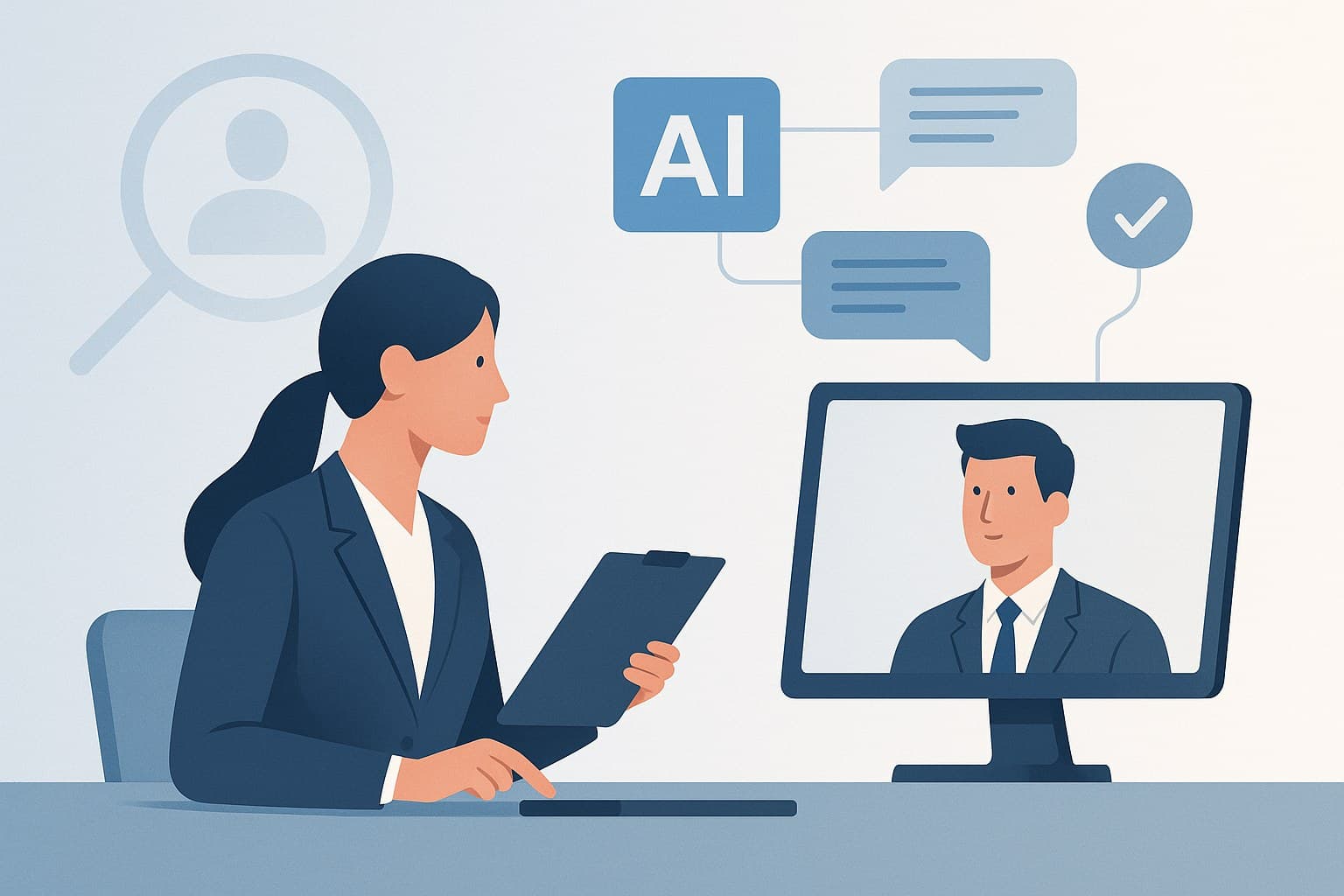
In today's rapidly evolving business landscape, the integration of artificial intelligence (AI) into various sectors is no longer a luxury but a necessity. Among the myriad of applications, AI-driven interview tools have emerged as a transformative force in the recruitment process. For business decision-makers and HR leaders, understanding and leveraging these tools can mean the difference between staying ahead in the competitive talent market and falling behind. This article delves into the potential of AI interview tools and offers insights into how they can be effectively integrated into recruitment strategies.
The Rise of AI in Recruitment
The traditional recruitment process has long been fraught with challenges, from unconscious bias to inefficiencies in screening and evaluating candidates. AI interview tools offer a revolutionary approach by automating and enhancing various aspects of the hiring process. These tools are designed to streamline recruitment, improve candidate evaluations, and ensure a more objective hiring process.
Key Features of AI Interview Tools
-
Automated Screening: AI tools can quickly sift through hundreds or thousands of resumes to identify candidates who meet the specific criteria set by the company. This not only saves time but also reduces the risk of overlooking qualified candidates.
-
Bias Reduction: AI systems are programmed to focus on objective data points, which can help reduce unconscious bias in the hiring process. By evaluating candidates based on their skills and experiences rather than subjective factors, companies can foster a more diverse and inclusive workforce.
-
Enhanced Candidate Experience: AI tools can provide candidates with immediate feedback and updates, improving their overall experience. This is crucial in maintaining a positive employer brand and attracting top talent.
-
Data-Driven Insights: AI interview tools can analyze vast amounts of data to provide insights into the effectiveness of recruitment strategies, helping HR leaders make more informed decisions.
-
Predictive Analytics: By analyzing patterns in candidate responses and behaviors, AI tools can predict a candidate's potential success and cultural fit within the organization.
Implementing AI Interview Tools: A Step-by-Step Guide
-
Define Objectives and Requirements: Before implementing AI tools, it's crucial to define what you aim to achieve. Whether it's reducing time-to-hire, improving candidate quality, or enhancing diversity, having clear objectives will guide the selection and deployment of the right tools.
-
Choose the Right Tool: There are numerous AI interview tools available, each with different features and capabilities. Evaluate these tools based on your specific needs, budget, and compatibility with existing systems.
-
Integration with Existing Systems: Ensure that the AI tool can seamlessly integrate with your existing HR systems, such as Applicant Tracking Systems (ATS) and Human Resource Information Systems (HRIS).
-
Training and Change Management: Train your HR team and other stakeholders on how to use the new AI tools effectively. Address any concerns or resistance by highlighting the benefits and providing ongoing support.
-
Monitor and Evaluate: Continuously monitor the performance of AI tools and evaluate their impact on the recruitment process. Use feedback from HR teams and candidates to make necessary adjustments.
Overcoming Challenges
While the benefits of AI interview tools are significant, there are challenges that businesses must navigate:
-
Data Privacy and Security: Ensure that the AI tools comply with data protection regulations and have robust security measures in place to protect candidate information.
-
Maintaining Human Touch: While AI can handle many aspects of recruitment, the human element remains crucial. Ensure that AI tools enhance rather than replace human judgment and interaction.
-
Avoiding Over-Reliance: AI tools should be used as an aid rather than the sole decision-maker in the recruitment process. Human oversight is essential to interpret AI-generated insights and make final hiring decisions.
The Future of AI in Recruitment
The adoption of AI interview tools is set to grow as technology advances and businesses seek more efficient recruitment methods. Future developments could include more sophisticated natural language processing capabilities, improved emotional intelligence assessments, and even virtual reality-based interviews.
For business decision-makers and HR leaders, staying informed about these trends and continuously adapting to technological advancements will be key to maintaining a competitive edge in the recruitment landscape.
Conclusion
AI interview tools represent a powerful ally in the quest for top talent. By automating mundane tasks, reducing bias, and providing valuable insights, these tools can significantly enhance the recruitment process. For HR leaders and business decision-makers, embracing AI in recruitment is not just about keeping up with trends; it's about strategically positioning the organization for future success. As with any technology, the key lies in thoughtful implementation, continuous evaluation, and balancing technology with the irreplaceable value of human judgment and interaction.
Frequently Asked Questions
Key questions often raised by business leaders and HR teams:
What are AI interview tools?
AI interview tools are software applications that utilize artificial intelligence to streamline and enhance the recruitment process, from screening resumes to evaluating candidates.
How do AI interview tools reduce bias?
These tools focus on objective data points, helping to minimize unconscious bias by evaluating candidates based solely on their skills and experiences.
What are the benefits of using AI in recruitment?
AI can save time, improve candidate evaluations, provide data-driven insights, and enhance the overall candidate experience.
Can AI tools replace human recruiters?
No, AI tools are designed to assist human recruiters, not replace them. The human element remains crucial for final decision-making and personal interaction.
How can companies implement AI interview tools?
Companies should define their objectives, choose the right tools, ensure integration with existing systems, train their HR teams, and continuously monitor tool performance.