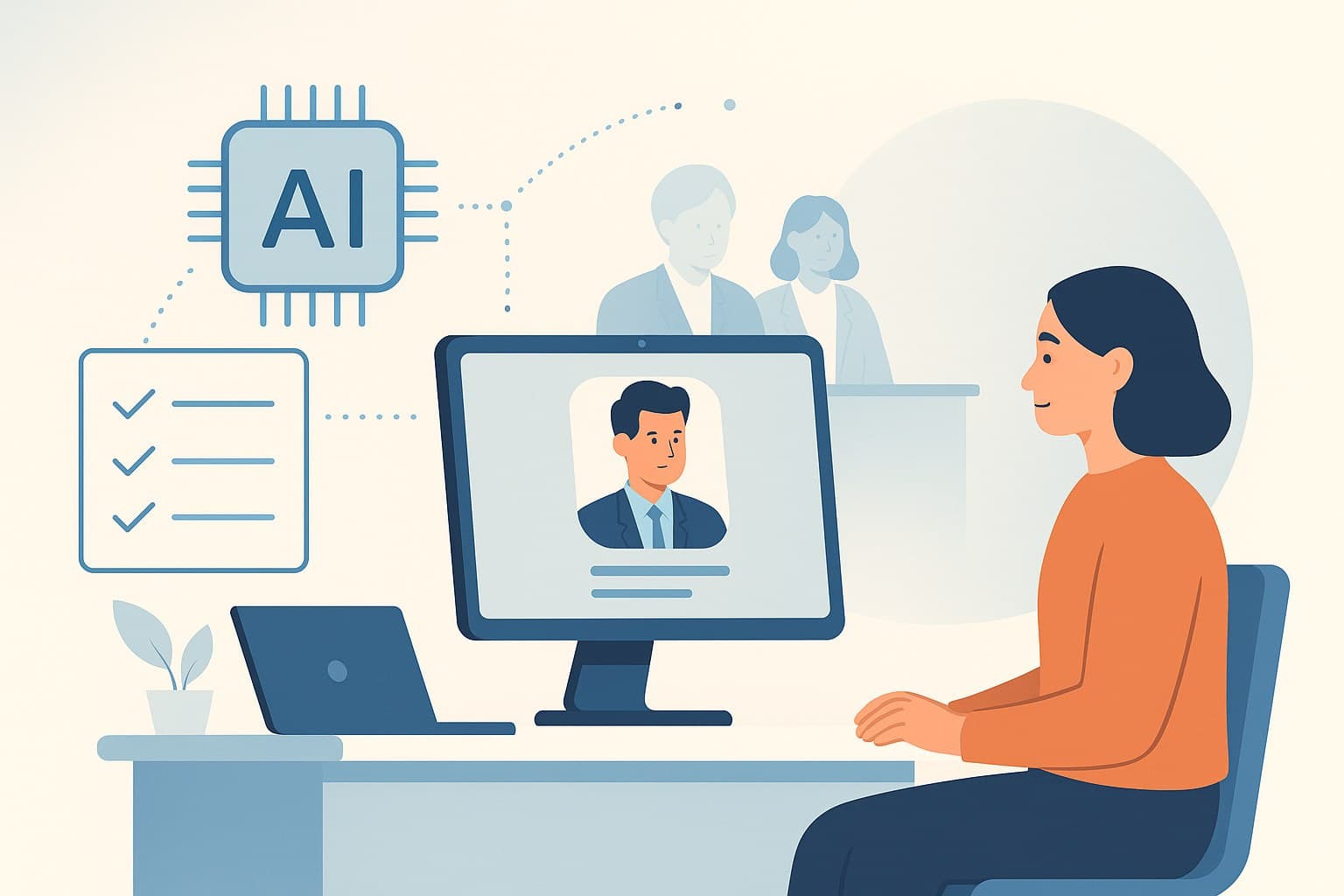
AI Interview Transcripts Diversity Privacy: Balancing Accuracy and Protection
In today's digital age, artificial intelligence (AI) has become an integral part of many industries, including the recruitment process. AI interview transcripts, which use natural language processing to transcribe and analyze job interviews, are gaining popularity as a tool for hiring managers and HR professionals. However, there are growing concerns about the diversity and privacy implications of using AI in this context. In this article, we will delve into the key issues surrounding AI interview transcripts when it comes to diversity and privacy, and explore potential solutions for addressing them.
Privacy Concerns with AI Interview Transcripts
Aside from accuracy, there is also a growing concern about the privacy implications of using AI interview transcripts. In many cases, interviews are meant to be confidential, and the content discussed should not be shared with anyone outside of the hiring process. However, with AI interview transcripts, this privacy can be compromised.
In some cases, AI transcription services require the use of cloud-based storage, which can put sensitive information at risk of being accessed by unauthorized parties. Moreover, the use of AI can also result in transcripts being shared with third-party companies for further analysis and improvement of the technology. This raises questions about who has access to these transcripts and how they are being used, potentially violating the privacy of the interview participants.
Ethical Considerations for AI Interview Transcripts
In addition to concerns about accuracy and privacy, there are also ethical considerations that must be taken into account when using AI interview transcripts. One of the main issues is the lack of consent from interview participants. Unlike written surveys or questionnaires, interviews are considered more personal and require explicit consent from the participants. However, the use of AI in transcribing and analyzing interviews can bypass this requirement.
Protecting Diversity and Privacy with MIND Interview
As mentioned earlier, the use of AI in interview transcripts can have significant implications for diversity and privacy. However, this does not mean that AI should be entirely dismissed as a useful recruitment tool. Instead, it is crucial to find ways to mitigate these concerns and ensure that diversity and privacy are protected.
This is where MIND Interview, an enterprise-grade AI recruitment platform, comes into play. MIND Interview offers a solution to the accuracy concerns with AI interview transcripts by using AI Verify governance. This governance ensures that the technology is bias-tested and auditable, giving hiring managers and HR professionals peace of mind knowing that the transcripts are accurate and fair.
In terms of privacy, MIND Interview's features, such as encrypted transfer and integration with existing ATS/HRIS systems, ensure that sensitive information is protected. Additionally, MIND Interview offers a multilingual and global-ready platform, allowing candidates to interview in any language and for reports to be translated in just one click. This not only promotes diversity but also addresses the issue of language barriers in the recruitment process.
Conclusion: Finding the Balance
In conclusion, AI interview transcripts, while beneficial in streamlining the recruitment process, also bring about concerns regarding accuracy, privacy, and ethics. It is imperative to find a balance between using AI technology and protecting diversity and privacy. With solutions like MIND Interview, it is possible to mitigate these concerns and use AI interview transcripts effectively and ethically. As with any technology, it is crucial to continuously monitor and improve its use to ensure transparency and fairness in the recruitment process. So, let's embrace AI technology while being mindful of its potential implications and strive for diversity and privacy in our hiring practices.
CTA: Interested in learning more about how MIND Interview can improve your recruitment process while protecting diversity and privacy? Visit https://www.mind-interview.com/en/ to learn more and request a demo today!
Frequently Asked Questions
Key questions often raised by business leaders and HR teams:
What are AI interview transcripts?
AI interview transcripts are generated using natural language processing to transcribe and analyze job interviews, helping HR professionals streamline the hiring process.
What privacy concerns are associated with AI interview transcripts?
Privacy concerns include the potential for sensitive information to be accessed by unauthorized parties and the sharing of transcripts with third-party companies.
How can MIND Interview help with accuracy and privacy?
MIND Interview uses AI Verify governance to ensure bias-testing and accuracy, while also employing encrypted transfer methods to protect sensitive information.
Why is informed consent important in AI interview transcripts?
Informed consent is crucial because interviews are personal and participants should be aware of how their information will be used, especially when AI technology is involved.
Can AI interview transcripts promote diversity?
Yes, AI interview transcripts can promote diversity by allowing candidates to interview in multiple languages and ensuring fair treatment through accurate transcriptions.