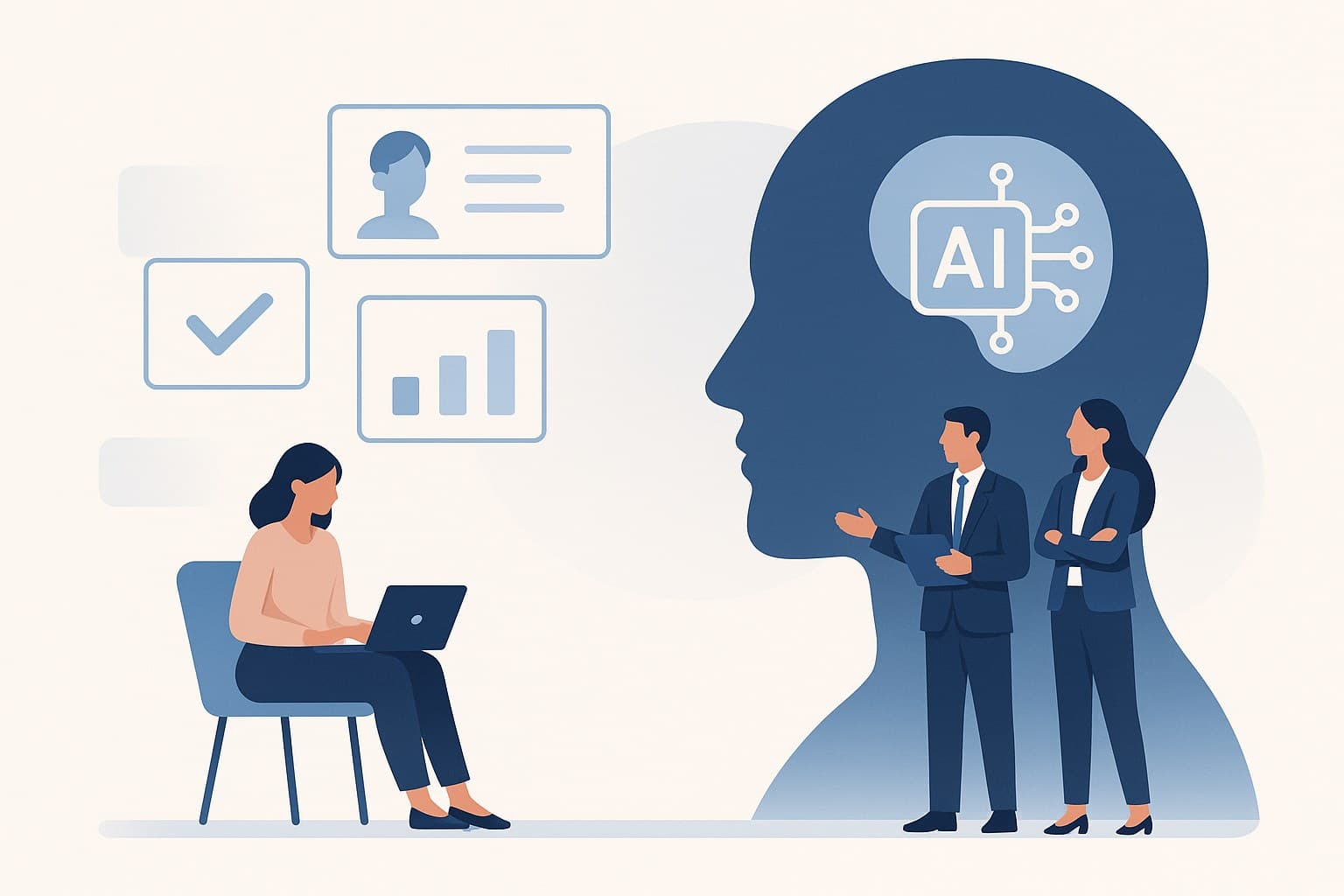
Leveraging AI in Interview Validation Studies: A Strategic Guide for HR Leaders and Business Decision Makers
In the rapidly evolving landscape of recruitment, HR leaders and business decision makers are constantly seeking innovative solutions to enhance the efficiency and effectiveness of their hiring processes. One such promising innovation is the use of Artificial Intelligence (AI) in interview validation studies. This article explores the potential of AI-driven interview validation, offering insights into how it can transform recruitment strategies, improve candidate selection, and ultimately, contribute to organizational success.
Understanding Interview Validation Studies
Interview validation studies are crucial for ensuring that the interview process effectively assesses candidates' potential for success in a given role. Traditionally, these studies involve analyzing the correlation between interview ratings and subsequent job performance. The goal is to validate the interview as a reliable predictor of job success, ensuring that hiring decisions are based on sound evidence.
However, conducting these studies manually can be time-consuming and prone to bias. This is where AI comes into play. By leveraging AI, organizations can automate and enhance the validation process, leading to more accurate and objective results.
The Role of AI in Interview Validation Studies
AI technologies, such as machine learning and natural language processing, are revolutionizing the way interview validation studies are conducted. Here are several ways AI can be integrated into the process:
-
Data Analysis and Pattern Recognition: AI algorithms can analyze vast amounts of data quickly and accurately. By examining historical interview data and correlating it with employee performance metrics, AI can identify patterns and trends that human analysts might miss. This allows for a more nuanced understanding of what interview characteristics predict job success.
-
Bias Reduction: Human interviewers are susceptible to biases, whether conscious or unconscious. AI can help mitigate this by providing objective assessments. Machine learning models trained on diverse datasets can offer more equitable evaluations, reducing the impact of gender, racial, or other biases.
-
Real-Time Feedback: AI can provide real-time feedback during interviews. For example, AI-driven tools can analyze voice intonations, word choice, and facial expressions to assess a candidate's confidence and stress levels. This immediate feedback can help interviewers make more informed decisions on the spot.
-
Enhanced Candidate Experience: AI can streamline the interview process, making it more efficient and less stressful for candidates. Automated scheduling, virtual interview platforms, and AI-driven assessments can reduce wait times and provide candidates with a smoother, more engaging experience.
Implementing AI in Interview Validation: A Strategic Approach
For HR leaders and business decision makers considering the integration of AI into their interview validation studies, a strategic approach is essential. Here are some key steps to consider:
-
Define Objectives: Clearly outline what you hope to achieve with AI-driven validation studies. Are you looking to reduce bias, improve prediction accuracy, or enhance the candidate experience? Defining your objectives will guide the implementation process.
-
Select the Right Tools: Choose AI tools and platforms that align with your objectives and integrate seamlessly with your existing HR systems. Evaluate vendors based on their track record, data security measures, and ability to customize solutions to your specific needs.
-
Data Quality and Privacy: Ensure that the data used for AI analysis is accurate, comprehensive, and compliant with data privacy regulations. High-quality data is crucial for training effective AI models and generating reliable insights.
-
Engage Stakeholders: Involve key stakeholders, including HR professionals, IT teams, and legal advisors, in the planning and implementation process. Their input and support will be vital for successful integration.
-
Monitor and Iterate: Continuously monitor the performance of AI-driven validation studies and be prepared to make adjustments. AI models can improve over time with more data and feedback, so an iterative approach will ensure ongoing effectiveness.
The Future of AI in Recruitment
As AI technologies continue to advance, their potential applications in recruitment are vast. Beyond interview validation, AI can assist in various other aspects of talent acquisition, from sourcing candidates to onboarding new hires. By embracing AI, organizations can make data-driven decisions, reduce time-to-hire, and improve the overall quality of their workforce.
However, it is essential to approach AI adoption with caution. Ethical considerations, such as transparency, accountability, and fairness, must be at the forefront of AI integration efforts. Organizations must ensure that AI tools are used responsibly and do not inadvertently perpetuate existing biases or create new ones.
Conclusion
AI has the potential to revolutionize interview validation studies, offering HR leaders and business decision makers powerful tools to enhance their recruitment processes. By leveraging AI's capabilities in data analysis, bias reduction, and real-time feedback, organizations can make more informed hiring decisions and create a more equitable and efficient recruitment environment.
For those ready to embrace this technological shift, a strategic approach that prioritizes clear objectives, stakeholder engagement, and ethical considerations will be key to unlocking the full potential of AI in interview validation. As the future of recruitment becomes increasingly data-driven, AI stands as a pivotal ally in building stronger, more capable workforces.
Frequently Asked Questions
Key questions often raised by business leaders and HR teams:
What is interview validation?
Interview validation is the process of ensuring that interviews effectively assess candidates' potential for success in specific roles.
How does AI help in interview validation?
AI enhances interview validation by automating data analysis, reducing bias, and providing real-time feedback during interviews.
What are the key steps to implement AI in interview validation?
Define your objectives, select the right tools, ensure data quality, engage stakeholders, and monitor performance continuously.
What ethical considerations should be taken into account when using AI?
Organizations must prioritize transparency, accountability, and fairness to avoid perpetuating biases in AI-driven recruitment processes.
How can AI improve the candidate experience?
AI can streamline the interview process, reduce wait times, and provide engaging virtual platforms for a smoother candidate experience.