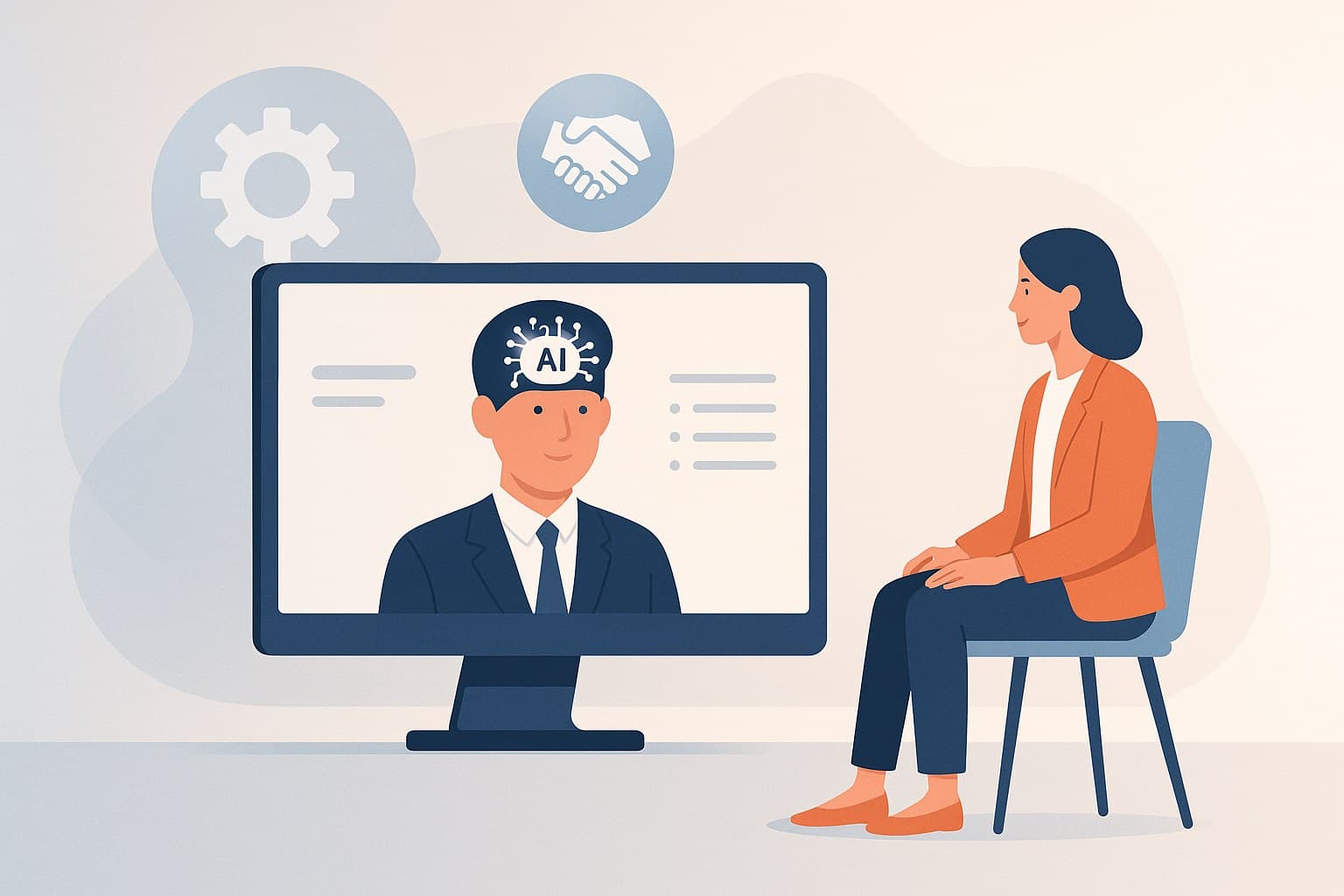
AI Interview Vendor Contract Checklist: The Importance of Data Portability
As the use of artificial intelligence (AI) in the recruitment process becomes more prevalent, it is crucial for companies to carefully consider the terms and conditions outlined in their vendor contracts. In particular, the issue of data portability must be addressed to ensure that companies retain control over their data and can easily switch to a different vendor if needed.
In this article, we will delve into the concept of data portability and its significance in AI interview vendor contracts. We will also provide a comprehensive checklist for companies to use when reviewing and negotiating their contracts to ensure data portability is properly addressed. But first, let's explore the current state of AI in recruiting and why data portability is a critical consideration.
The Rise of AI in Recruitment
However, with the rise of AI comes the need for companies to carefully consider the terms of their vendor contracts. This is especially crucial in the case of AI recruitment platforms, as they handle sensitive candidate data and play a significant role in the hiring process.
The Importance of Data Portability
Data portability refers to the ability to transfer data from one system to another without any hindrance. In the context of AI interview vendor contracts, data portability means that companies have the right to access and move their data to a different vendor's platform without any restrictions.
In today's digital landscape, where data is considered a valuable asset, companies must prioritize data portability in their vendor contracts. This is essential for several reasons:
- Control and Ownership: By including data portability provisions in their contracts, companies can ensure that they retain control and ownership over their data. This is especially crucial in cases where the vendor goes out of business or if the company decides to switch to a different vendor.
- Compliance: With the increasing focus on data privacy and security, companies must ensure that their data is handled in compliance with relevant regulations. Data portability provisions in vendor contracts can help companies maintain compliance even if they decide to switch vendors.
- Exit Rights: Data portability also gives companies the right to exit a vendor contract if they are dissatisfied with the service. This is crucial as the use of AI in recruitment is still relatively new, and companies may need to switch vendors as they gain more insights and experience.
- Risk Management: In the event of a data breach or any other issue with the vendor, data portability provisions can help companies quickly and easily move their data to a different platform, mitigating any potential risks.
AI Interview Vendor Contract Checklist for Data Portability
Now that we understand the importance of data portability in AI interview vendor contracts, let's take a look at a comprehensive checklist that companies can use when reviewing and negotiating their contracts.
1. Clearly Define Control, Ownership, Compliance, and Exit Rights
The first step in ensuring data portability is clearly defining the terms related to control, ownership, compliance, and exit rights. This should include language that explicitly states the company's ownership of the data and their right to control and access it at all times. Additionally, the contract should outline how compliance with relevant regulations will be maintained and the company's right to exit the contract if needed.
2. Evaluate the AI's Part in Decision-Making
It is essential to understand how the AI technology used in the recruitment platform makes decisions. Companies should ensure that the vendor provides transparency on this matter and clearly explains how the AI evaluates candidates and makes recommendations. This information is crucial for ensuring fairness and avoiding any bias in the hiring process.
3. Assess Technical Evaluation and Catching System Flaws
Aside from transparency, companies must also understand how the vendor ensures the accuracy and effectiveness of their AI system. This includes evaluating the technical aspects of the technology and how the vendor plans to catch any flaws or errors in the system. A reliable vendor should have a robust system in place for regularly evaluating and updating their AI technology.
4. Consider Data Deletion and Migration Paths
Data deletion and migration paths are often overlooked when it comes to data portability. However, companies must evaluate these aspects before signing a vendor contract. The contract should outline the procedures for deleting data in case of a breach or when the contract ends. Additionally, it should also include information on how data can be migrated to a different platform if needed.
5. Evaluate Dependency Risk and Export Options
Vendor lock-in is a common issue in the world of AI recruitment platforms. Companies often overlook the risk of becoming dependent on a specific vendor and fail to consider export options and model portability. Before finalizing a contract, companies must evaluate the dependency risk and ensure that the vendor provides options for exporting data and migrating to a different platform if needed.
Conclusion
As AI continues to play a significant role in the recruitment process, companies must carefully consider the terms and conditions outlined in their vendor contracts. Data portability is a crucial aspect that must be addressed to ensure that companies retain control and ownership over their data and can easily switch vendors if needed.
By following the checklist outlined in this article, companies can ensure that their AI interview vendor contracts include the necessary provisions for data portability. And for companies looking for a reliable and secure AI recruitment platform, we recommend checking out MIND Interview. With its enterprise-grade AI technology, validated by AI Verify, and its emphasis on data portability and compliance, MIND Interview is a top choice for companies looking to streamline their recruitment process.
To learn more about MIND Interview and how it can benefit your company, visit their website at https://www.mind-interview.com/en/.
Frequently Asked Questions
Key questions often raised by business leaders and HR teams:
What is data portability in vendor contracts?
Data portability refers to the ability to transfer data from one vendor's system to another without restrictions, ensuring companies maintain control over their data.
Why is data portability important for AI recruitment?
It allows companies to switch vendors easily, ensures compliance with regulations, and helps manage risks associated with vendor lock-in.
What should be included in a data portability clause?
The clause should define control and ownership of data, outline compliance measures, and specify exit rights to facilitate a smooth transition to another vendor.
How can companies assess vendor transparency in AI decision-making?
Companies should request clear explanations of how the AI evaluates candidates and the criteria it uses to ensure fairness in the hiring process.
What are the risks of vendor lock-in?
Vendor lock-in can limit a company's flexibility and options for data migration, making it difficult to switch to a better platform if needed.