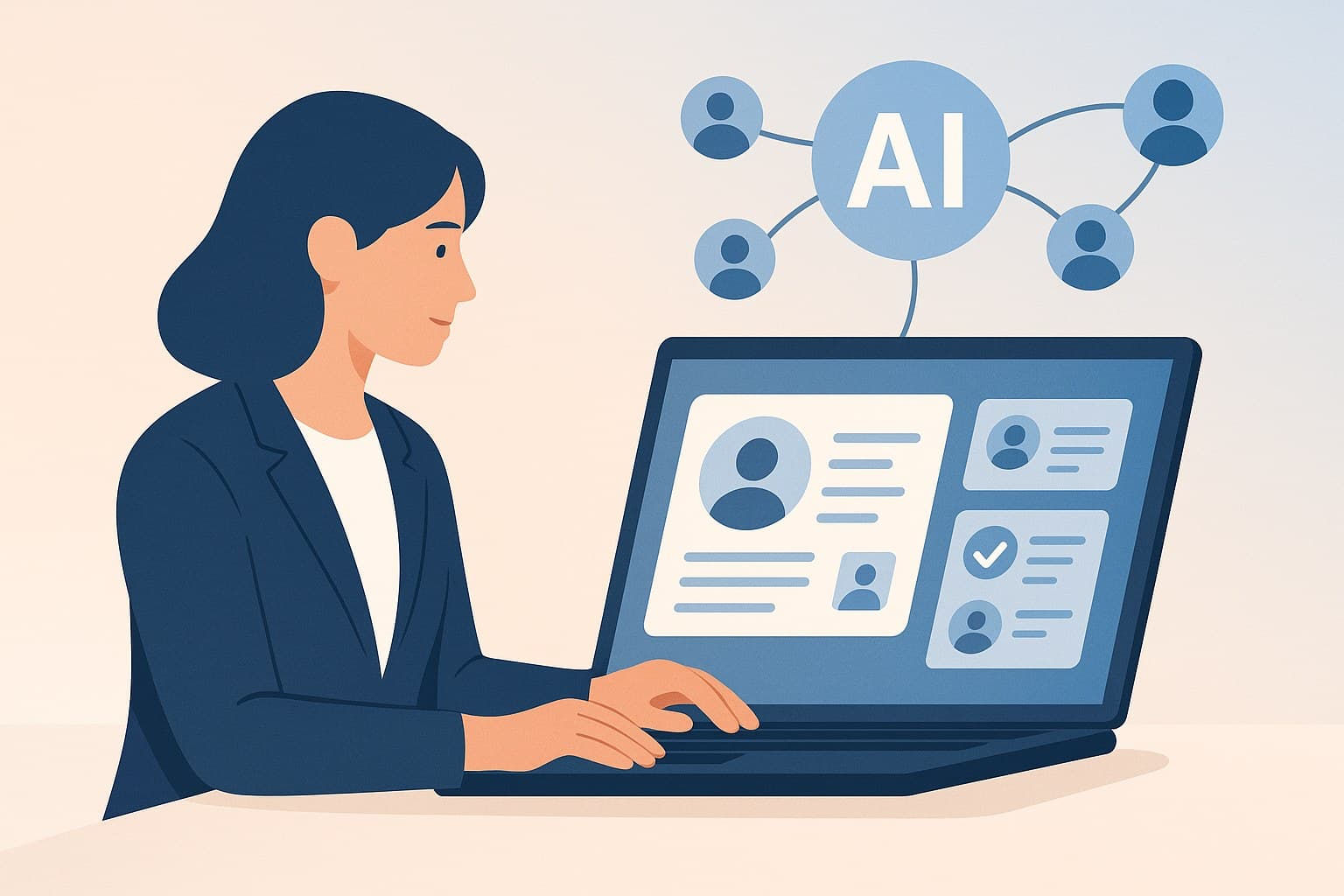
Title: Navigating AI Interview Vendor Due Diligence: Ensuring Explainability for Informed Decision-Making
In recent years, artificial intelligence (AI) has revolutionized various aspects of human resources, particularly in recruitment processes. AI-powered interview tools are becoming increasingly popular for their ability to streamline candidate assessments and enhance decision-making efficiency. However, with this rapid technological advancement comes the critical responsibility for HR leaders and corporate decision-makers to conduct thorough due diligence on AI interview vendors, emphasizing the importance of explainability in these systems.
Understanding the Importance of Explainability
Explainability refers to the ability of an AI system to provide understandable and interpretable insights into its decision-making processes. For HR professionals, this means that the AI tools they utilize should not only deliver accurate assessments but also offer transparency about how those assessments are made. This transparency is crucial for ensuring fairness, building trust with candidates, and making informed hiring decisions.
Regulatory Compliance and Ethical Considerations
One of the primary reasons explainability is essential is the increasing focus on regulatory compliance and ethical standards in AI applications. Regulations such as the General Data Protection Regulation (GDPR) in Europe emphasize the "right to explanation," where individuals can request clarification on automated decisions affecting them. HR leaders must ensure that their chosen AI interview vendors comply with these requirements, providing clear and accessible explanations of their algorithms.
Moreover, ethical considerations demand that AI systems operate without bias, promoting diversity and inclusion within organizations. Explainable AI tools allow HR professionals to identify and address any potential biases in the decision-making process, fostering a fairer recruitment environment.
Key Factors in Vendor Due Diligence
When evaluating AI interview vendors, HR leaders should focus on several critical factors to ensure the explainability of their chosen systems:
-
Transparency of Algorithms: Vendors should provide detailed information about the algorithms used in their AI tools. This includes the types of data inputs, the methods of data processing, and the rationale behind the generated outputs. Understanding these elements helps HR teams evaluate whether the AI's decision-making aligns with their organizational values and diversity goals.
-
Model Interpretability: The degree to which an AI model's operations can be understood is crucial. Vendors should offer tools or interfaces that allow HR professionals to visualize and interpret the AI's decision pathways. Such interpretability aids in assessing the accuracy and reliability of the system's evaluations.
-
Bias Detection and Mitigation: A significant aspect of explainability involves identifying and mitigating biases within AI systems. Vendors should demonstrate how their tools detect biases in training data and decision-making processes. They should also provide mechanisms for HR teams to adjust models to minimize bias and promote equitable candidate assessments.
-
User-Friendly Reporting: The outputs from AI interview tools should be presented in a manner that is easily understandable by HR professionals, who may not have technical expertise. Clear, concise reporting helps decision-makers comprehend AI-generated insights and make informed choices.
-
Vendor Support and Training: The implementation of AI systems should be accompanied by comprehensive support and training from vendors. This ensures that HR teams can effectively use the tools, understand their functionalities, and address any issues related to explainability.
Building Trust with Candidates
Explainability also plays a vital role in building trust between employers and candidates. Candidates need assurance that AI-driven assessments are fair, unbiased, and based on relevant criteria. By choosing vendors that prioritize transparency, HR leaders can communicate the fairness and reliability of their recruitment processes, enhancing the organization's reputation and candidate experience.
The Role of HR Leaders in Promoting Explainability
HR leaders have a pivotal role in promoting explainability by advocating for transparent AI practices and educating their teams about the importance of this aspect. They should encourage open dialogues with vendors, asking critical questions about the AI tool's functionalities and decision-making processes. Additionally, HR leaders can collaborate with data scientists and AI experts to ensure a thorough understanding of the technology and its implications.
Conclusion
In the era of AI-driven recruitment, explainability is not just a technical requirement but a strategic imperative for HR leaders and corporate decision-makers. By conducting rigorous due diligence on AI interview vendors and prioritizing explainability, organizations can ensure regulatory compliance, ethical standards, and fair candidate assessments. This approach not only enhances the decision-making process but also fosters trust and transparency, ultimately contributing to a more inclusive and equitable workplace.
As AI continues to evolve, HR leaders must remain vigilant, continuously assessing and refining their AI systems to align with best practices and emerging standards. By doing so, they can harness the full potential of AI in recruitment while upholding the principles of fairness, transparency, and accountability.
Frequently Asked Questions
Key questions often raised by business leaders and HR teams:
What is explainability in AI?
Explainability in AI refers to the ability of an AI system to provide understandable insights into its decision-making processes, ensuring transparency and trust.
Why is vendor due diligence important for AI tools?
Vendor due diligence is crucial to ensure that the AI tools comply with regulatory standards, operate without bias, and provide clear explanations of their algorithms.
How can HR leaders promote explainability?
HR leaders can promote explainability by advocating for transparent AI practices, engaging in open dialogues with vendors, and collaborating with data experts.
What are key factors in evaluating AI interview vendors?
Key factors include transparency of algorithms, model interpretability, bias detection and mitigation, user-friendly reporting, and vendor support.
How does explainability build trust with candidates?
Explainability builds trust by assuring candidates that AI assessments are fair and based on relevant criteria, enhancing the overall recruitment experience.