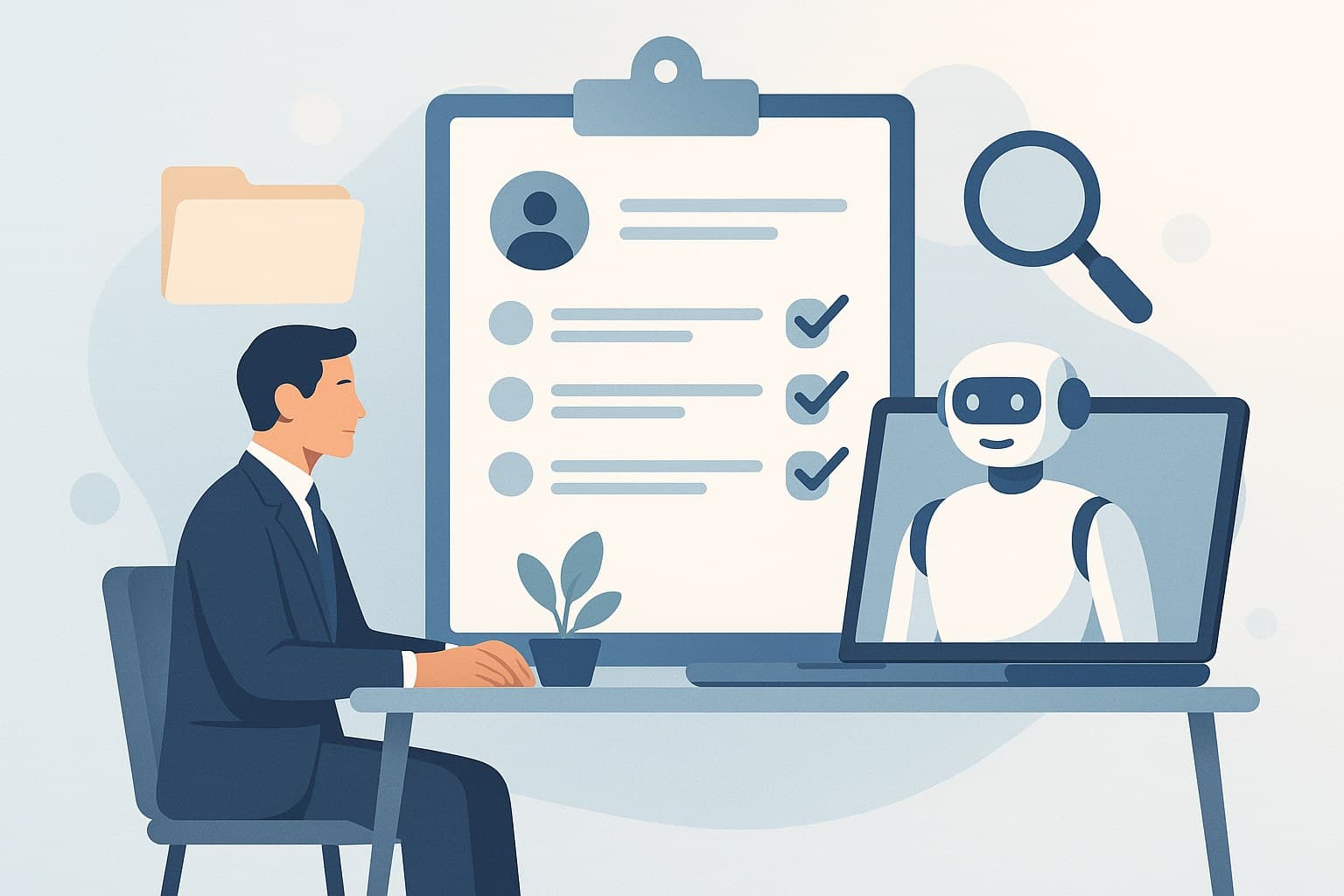
Title: Integrating AI Interview Vendors into Your HR Strategy: A Comprehensive Framework for Decision Makers
In the rapidly evolving landscape of human resources, the integration of artificial intelligence (AI) into recruitment processes has emerged as a transformative trend. For corporate decision-makers and HR leaders, understanding how to effectively integrate AI interview vendors is paramount to gaining a competitive advantage in talent acquisition. This article presents a comprehensive framework for integrating AI interview vendors, addressing key considerations, benefits, and potential challenges.
Understanding AI Interview Vendors
AI interview vendors offer technology-driven solutions designed to streamline recruitment by automating and enhancing the candidate screening and interviewing process. These solutions leverage machine learning algorithms, natural language processing, and data analytics to assess candidates' skills, personalities, and cultural fit more efficiently than traditional methods.
The Need for AI Integration
-
Efficiency and Speed: Traditional recruitment processes can be time-consuming and resource-intensive. AI interview tools expedite the screening process, allowing HR teams to focus on high-value tasks such as strategic planning and relationship building.
-
Consistency and Fairness: AI systems provide standardized assessments, reducing potential biases inherent in human-led interviews. This consistency ensures a fair evaluation of all candidates, promoting diversity and inclusion.
-
Data-Driven Insights: AI interview vendors offer robust analytics, delivering insights into candidate performance and recruitment trends. This data is invaluable for making informed hiring decisions and refining recruitment strategies.
Framework for Integration
-
Define Objectives and Scope
Before integrating AI solutions, clearly define your objectives. Are you seeking to reduce time-to-hire, improve candidate quality, or enhance diversity? Understanding your goals will guide vendor selection and implementation strategies.
-
Vendor Selection
- Research and Shortlist: Conduct thorough research to identify potential vendors. Consider factors such as industry reputation, technology capabilities, client reviews, and scalability.
- Alignment with Goals: Ensure the vendor’s offerings align with your objectives. Evaluate their AI models, assessment criteria, and customization options to match your organizational needs.
- Compliance and Ethics: Verify that vendors comply with relevant regulations and ethical standards, particularly concerning data privacy and anti-discrimination laws.
-
Integration Planning
- Technical Integration: Collaborate with IT teams to ensure seamless integration with existing HR systems. This may involve API connections, data migration, and security protocols.
- Pilot Testing: Conduct pilot tests to evaluate the solution’s effectiveness and address potential issues. Gather feedback from both HR staff and candidates to refine the process.
- Training and Change Management: Provide comprehensive training for HR teams to effectively use the new tools. Implement change management strategies to ensure smooth adoption and minimize resistance.
-
Implementation and Monitoring
- Rollout: Implement the AI solution in phases, starting with specific departments or roles. This gradual approach allows for adjustments based on initial feedback.
- Performance Monitoring: Continuously monitor the solution’s performance using key metrics such as time-to-hire, candidate satisfaction, and quality of hire. Use this data to make informed adjustments.
- Feedback Loops: Establish mechanisms for ongoing feedback from users and candidates. Regularly review this feedback to identify areas for improvement and to ensure the AI system remains aligned with organizational goals.
Benefits of Successful Integration
-
Enhanced Candidate Experience: AI tools can provide a more engaging and efficient application process, improving candidate satisfaction and employer brand perception.
-
Improved Quality of Hire: By leveraging data-driven insights, organizations can make more informed hiring decisions, leading to better job performance and reduced turnover.
-
Scalability and Flexibility: AI interview solutions can easily scale to accommodate varying recruitment volumes, providing flexibility for organizations of all sizes.
Addressing Potential Challenges
-
Bias and Fairness: While AI can reduce human bias, it’s crucial to ensure that algorithms are trained on diverse datasets to prevent the perpetuation of existing biases.
-
Candidate Perception: Some candidates may feel uncomfortable with AI-driven assessments. Clear communication about the process and its benefits can help alleviate concerns.
-
Dependence on Technology: Over-reliance on AI could lead to the undervaluation of human intuition in recruitment. Balancing AI insights with human judgment is key to optimal outcomes.
Conclusion
Integrating AI interview vendors into your HR strategy offers transformative potential, enhancing efficiency, fairness, and data-driven decision-making. By following a structured integration framework, corporate decision-makers and HR leaders can harness the power of AI to revolutionize recruitment processes. As technology continues to evolve, staying informed and adaptable will be crucial to maintaining a competitive edge in talent acquisition.
Frequently Asked Questions
Key questions often raised by business leaders and HR teams:
What are AI interview vendors?
AI interview vendors provide technology-driven solutions to streamline the recruitment process, automating candidate screening and interviews.
How can AI improve the recruitment process?
AI enhances efficiency, reduces bias, and offers data-driven insights, allowing HR teams to focus on strategic tasks.
What challenges might arise from using AI in recruitment?
Potential challenges include algorithmic bias, candidate perception of AI assessments, and over-reliance on technology over human intuition.
How do I select the right AI interview vendor?
Research vendors based on their technology capabilities, industry reputation, and alignment with your recruitment goals.
What is the importance of pilot testing AI solutions?
Pilot testing allows you to evaluate the effectiveness of the AI solution and gather feedback for refinement before full implementation.