Understanding the AI Interview Video Retention State Privacy Risk Matrix: A Guide for Corporate Decision-Makers and HR Leaders
In the rapidly evolving landscape of recruitment, artificial intelligence (AI) has emerged as a powerful tool that can streamline processes, improve candidate selection, and enhance overall efficiency. One of the most innovative applications of AI in recruitment is the use of video interviews. These tools leverage machine learning algorithms to assess candidates, providing insights that go beyond traditional interviews. However, with the adoption of AI-powered video interviews comes a significant concern: the privacy and security of candidate data. This article explores the AI interview video retention state privacy risk matrix, offering guidance to corporate decision-makers and HR leaders on how to navigate these challenges.
The Intersection of AI and Recruitment
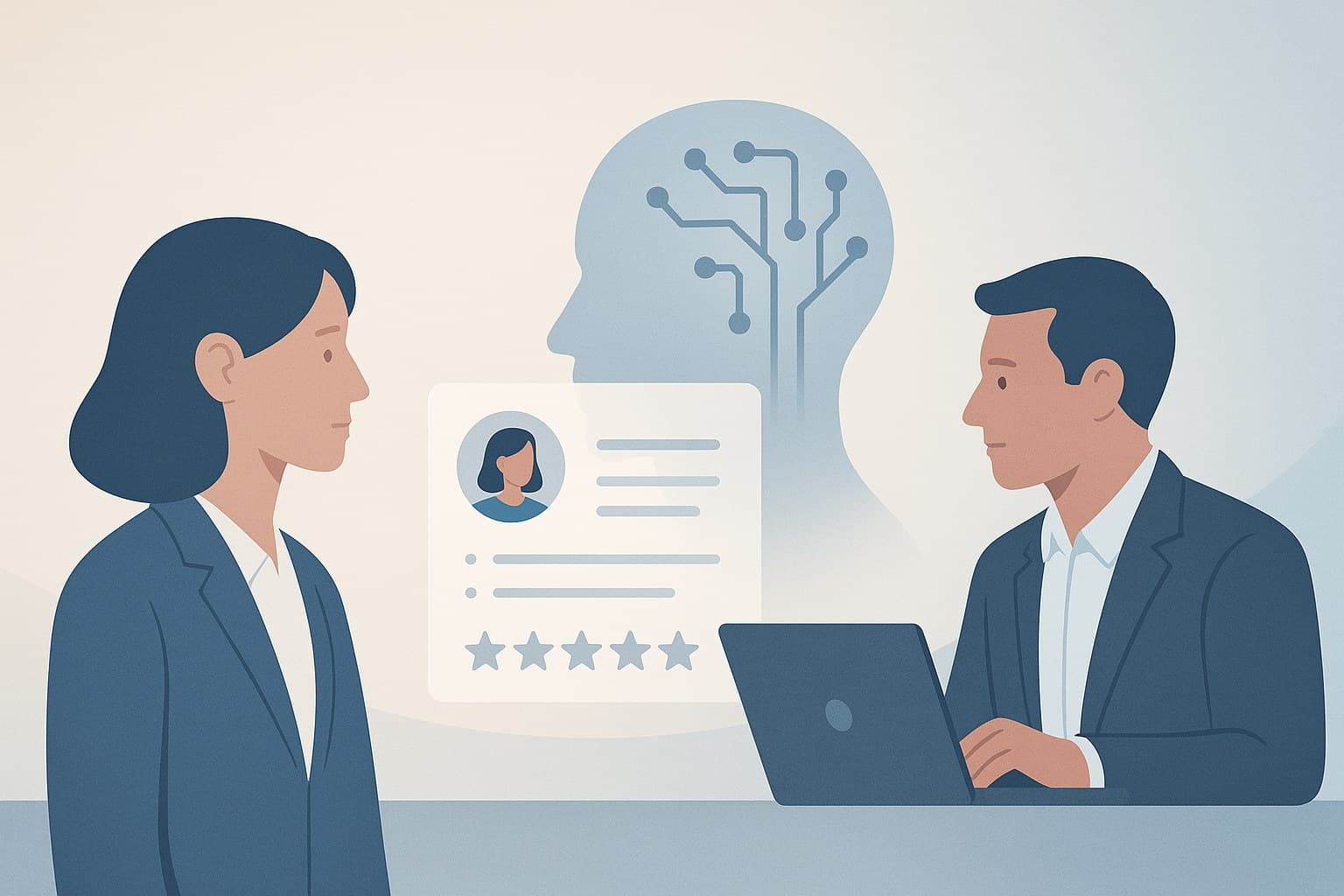
AI-driven video interview platforms analyze various aspects of a candidate's performance, including verbal responses, facial expressions, and even body language. These platforms promise to reduce bias, identify top talent quickly, and save considerable time for HR professionals. However, they also collect and store vast amounts of personal data, raising critical questions about data privacy and security.
Understanding the Privacy Risk Matrix
The privacy risk matrix is a tool used to assess and manage the risks associated with data retention in AI interview systems. It helps organizations evaluate the potential impact of data breaches and the likelihood of such events occurring. The matrix typically considers two main dimensions: the sensitivity of the data and the potential impact of a data breach.
-
Sensitivity of Data: In the context of AI video interviews, data sensitivity is high. Videos capture not just what candidates say, but how they say it, including non-verbal cues. This data can reveal sensitive information about a candidate's identity, behavior, and even emotional state.
-
Impact of Data Breach: The impact of a data breach involving AI interview data can be severe. Unauthorized access to video data can lead to identity theft, reputational damage, and legal consequences for the company. Additionally, candidates' trust can be significantly eroded if their data is mishandled.
Key Risks in AI Video Interview Data Retention
-
Data Storage and Access: Storing large volumes of video data poses a significant risk. Companies must ensure that data is stored securely, with strict access controls to prevent unauthorized access.
-
Data Retention Policies: Organizations need clear policies on how long data is retained. Retaining data longer than necessary increases the risk of breaches and can violate data protection regulations.
-
Compliance with Regulations: Companies must navigate a complex landscape of data protection regulations, such as the General Data Protection Regulation (GDPR) in Europe, which mandates strict guidelines on data collection, storage, and processing.
-
Third-Party Vendors: If an organization uses third-party platforms for video interviews, it's crucial to assess these vendors' data protection measures. Any vulnerabilities in their systems can pose a risk to the company's data.
Strategies for Mitigating Privacy Risks
-
Implement Robust Data Security Measures: Encrypt sensitive data, use secure servers, and regularly audit access logs to ensure only authorized personnel can access video data.
-
Develop Comprehensive Data Retention Policies: Establish clear guidelines on data retention periods, ensuring compliance with relevant laws. Regularly review and update these policies to reflect changes in regulations and best practices.
-
Enhance Transparency and Candidate Communication: Clearly communicate to candidates how their data will be used, stored, and protected. Obtain explicit consent before recording interviews, and provide candidates with the option to withdraw their consent.
-
Conduct Regular Risk Assessments: Regularly assess the risks associated with AI video interview data retention. Use the privacy risk matrix to identify potential vulnerabilities and address them proactively.
-
Vendor Management and Due Diligence: Conduct thorough due diligence on third-party vendors to ensure they adhere to the highest data protection standards. Establish clear contractual obligations regarding data security and breach notification.
The Role of HR Leaders and Decision-Makers
HR leaders and corporate decision-makers play a crucial role in ensuring the privacy and security of candidate data. They must champion a culture of privacy within the organization, ensuring that all stakeholders understand the importance of data protection.
-
Educate and Train HR Teams: Provide regular training to HR teams on data protection best practices and the implications of data breaches. This ensures that everyone involved in the recruitment process understands their responsibilities.
-
Lead by Example: Decision-makers should demonstrate a commitment to data privacy by implementing robust policies and procedures. This sets a precedent for the rest of the organization to follow.
-
Engage with Legal and Compliance Teams: Work closely with legal and compliance teams to ensure that data protection measures align with regulatory requirements and industry standards.
-
Foster a Culture of Continuous Improvement: Encourage a proactive approach to data privacy, where teams are continually looking for ways to enhance security measures and reduce risks.
Conclusion
As AI-powered video interviews become more prevalent in recruitment, the importance of protecting candidate data cannot be overstated. By understanding and applying the AI interview video retention state privacy risk matrix, corporate decision-makers and HR leaders can effectively manage privacy risks, ensuring that their organizations remain compliant, secure, and trusted. Embracing these practices not only protects the organization from potential legal and reputational harm but also builds a foundation of trust and transparency with candidates, which is essential in attracting top talent in a competitive market.
Frequently Asked Questions
Key questions often raised by business leaders and HR teams:
What is the AI interview video retention state privacy risk matrix?
It is a tool used to assess and manage risks associated with data retention in AI interview systems, focusing on data sensitivity and breach impact.
How can companies protect candidate data during AI interviews?
Companies can implement robust data security measures, develop comprehensive data retention policies, and enhance transparency with candidates.
What are the key risks associated with AI video interview data?
Key risks include data storage and access issues, unclear data retention policies, compliance with regulations, and vulnerabilities from third-party vendors.
Why is data privacy important in AI recruitment?
Data privacy is crucial to maintain candidate trust, prevent identity theft, and comply with legal regulations, safeguarding the organization's reputation.