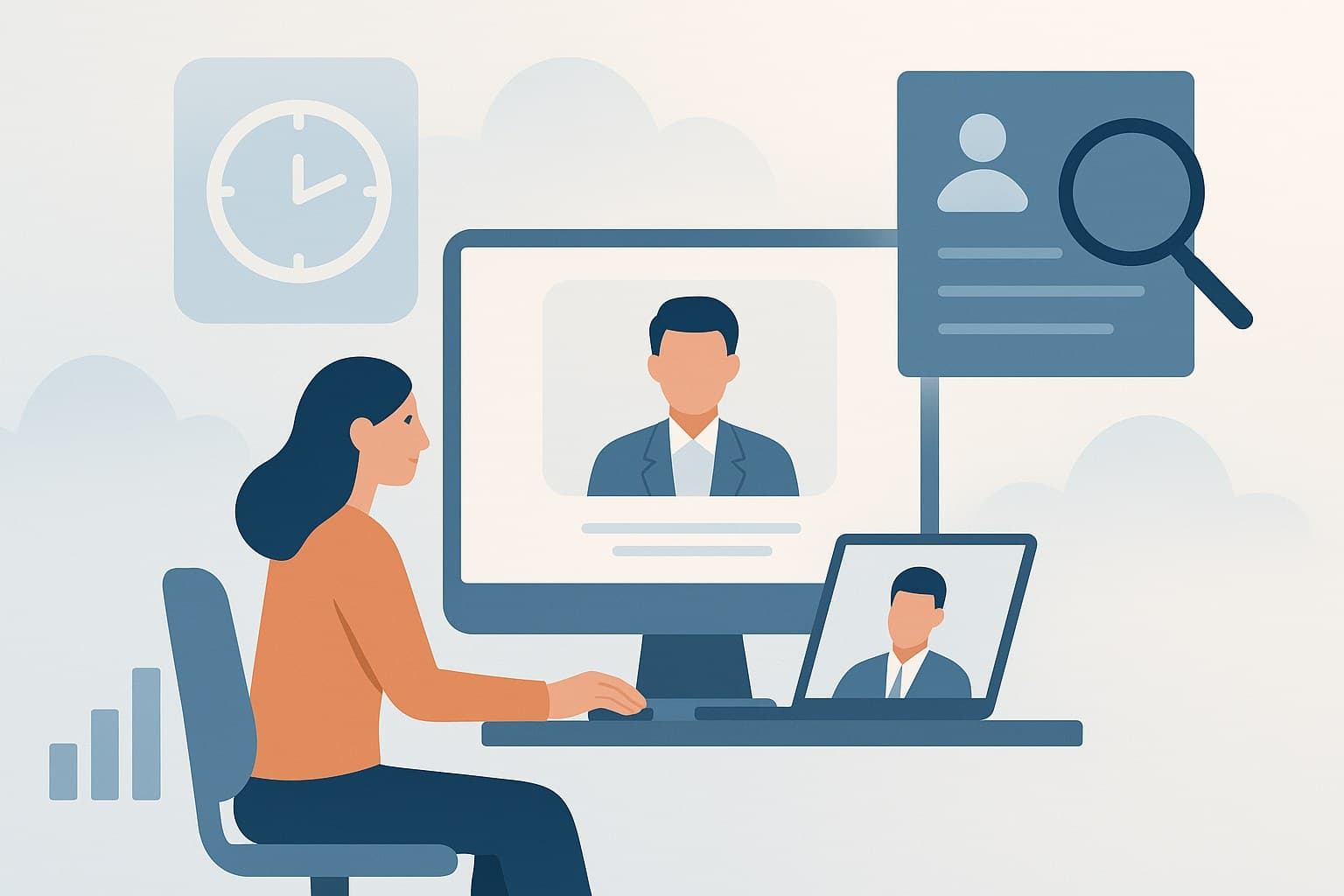
AI Interview Workflows for Unionized Workforces: Navigating the Challenges of Technology and Labor
As industries continue to embrace artificial intelligence (AI) in their operations, one area that is particularly impacted is the hiring process. AI-powered interview workflows have become increasingly popular, promising to streamline the recruitment process and improve hiring decisions. However, for unionized workforces, this can present a unique set of challenges. In this article, we will explore the use of AI interview workflows in unionized workforces, the potential benefits and risks, and how employers can navigate these challenges to create a fair and inclusive hiring process.
The Rise of AI in Interview Workflows
AI has been making its way into various industries, from transportation to healthcare, and recruitment is no exception. According to a study by Gartner, 23% of HR leaders reported implementing AI or machine learning (ML) in their recruitment processes in 2020, with an additional 16% planning to do so this year. The reasons for this adoption are clear – AI can help automate time-consuming tasks, reduce bias, and make data-driven hiring decisions.
In unionized workforces, where hiring decisions must adhere to collective bargaining agreements and labor laws, the use of AI can help ensure compliance and consistency. However, it is essential to note that AI is not a magic solution. It is only as good as the data it is trained on and the decisions made by its human designers.
The Impact on Unionized Workforces
The use of AI in interview workflows can have significant implications for unionized workforces. On the one hand, it can help streamline and standardize hiring processes, reducing the chances of human error or bias. On the other hand, it can also raise concerns about job security and fair representation for union members.
A study by the International Transport Workers' Federation (ITF) found that AI-powered hiring processes in the port sector, where unions are prevalent, could lead to a reduction in jobs and a lack of diversity in hiring. The study also highlighted the need for transparency and accountability in the design and implementation of AI systems.
Navigating the Challenges
To ensure the fair and ethical use of AI in interview workflows for unionized workforces, employers must take a proactive approach. Here are some key considerations to keep in mind:
Understand the Limitations of AI
AI systems are only as good as the data they are trained on. This means that if the data is biased, the AI will reflect that bias. Employers must understand the limitations of AI and continuously monitor and audit the systems to ensure fairness and compliance. Additionally, involving union representatives in the design and testing of AI systems can help identify any potential issues earlier on.
Maintain Human Oversight
While AI can help streamline certain parts of the recruitment process, it cannot replace human judgment and empathy. Employers must ensure that there is always human oversight in the hiring process. This can involve having a human review the AI-generated results and making the final hiring decision. It is also crucial to have a process in place for candidates to raise any concerns or challenges they may have with the AI system.
Ensure Transparency and Accountability
Transparency and accountability are critical when it comes to the use of AI in interview workflows. Employers must be transparent about the use of AI in their hiring processes and ensure that candidates are aware of it. Additionally, they must be accountable for any decisions made by the AI and be prepared to explain and justify those decisions.
Takeaways for Employers
The use of AI in interview workflows for unionized workforces presents a unique set of challenges, but it also offers significant benefits. Employers must be mindful of these challenges and take proactive steps to ensure fairness and compliance. This includes understanding the limitations of AI, maintaining human oversight, and being transparent and accountable in the use of AI. Additionally, involving union representatives in the process can help build trust and ensure a fair and inclusive hiring process.
Conclusion
AI is not a replacement for human judgment and empathy, and it is not a substitute for following labor laws and collective bargaining agreements. Employers must approach the use of AI in interview workflows for unionized workforces with caution and ensure that it is used ethically and responsibly. By doing so, they can harness the benefits of technology while maintaining a fair and inclusive workplace for all employees.
Frequently Asked Questions
Key questions often raised by business leaders and HR teams:
What are AI interview workflows?
AI interview workflows utilize artificial intelligence to streamline the recruitment process, automating tasks and improving decision-making.
How does AI affect unionized workforces?
AI can standardize hiring processes but may also raise concerns about job security and fair representation for union members.
What precautions should employers take when using AI?
Employers should maintain human oversight, ensure transparency, and involve union representatives in the AI system design and implementation.
Can AI eliminate bias in hiring?
While AI can help reduce bias, it is only as effective as the data it is trained on, making continuous monitoring essential.
What role do union representatives play in AI hiring processes?
Union representatives can help identify potential issues and ensure that AI systems are fair and compliant with labor agreements.