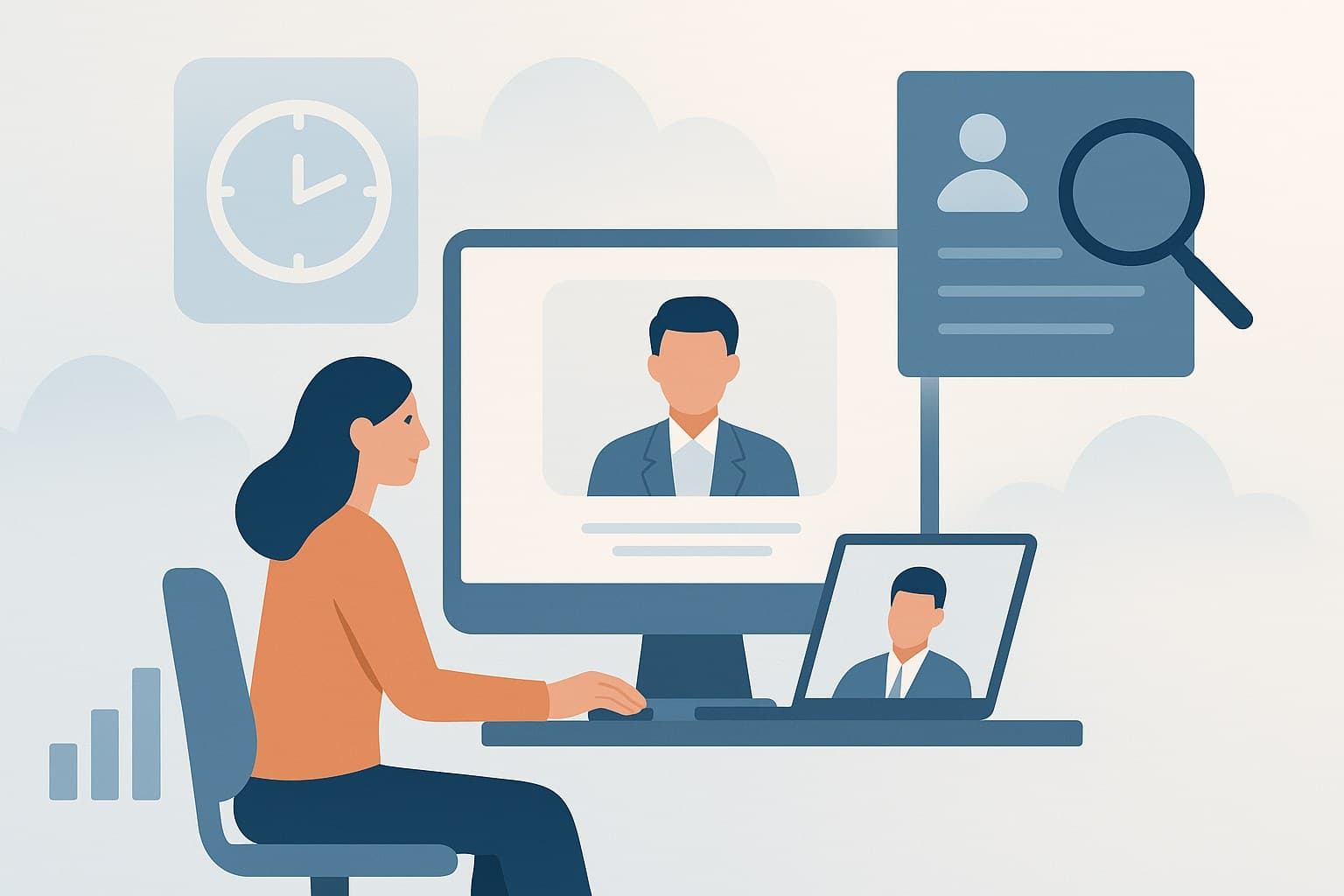
Title: Leveraging AI to Mitigate Interviewer Bias in College Admissions: A Strategic Approach for Decision-Makers
In the rapidly evolving landscape of higher education, the college admissions process remains a crucial determinant of institutional success and student satisfaction. However, this process is not immune to biases, particularly in the context of admissions interviews. Interviewer bias can significantly impact the fairness and effectiveness of admissions, often leading to suboptimal outcomes. As decision-makers and HR leaders in educational institutions, it is imperative to explore innovative solutions to mitigate these biases. One promising approach is the integration of Artificial Intelligence (AI) into the admissions interview process.
Understanding Interviewer Bias
Interviewer bias in college admissions can manifest in various forms, including confirmation bias, halo effect, and affinity bias, among others. These biases can inadvertently influence an interviewer's judgment, leading to unfair evaluations of candidates. For instance, an interviewer might unconsciously favor candidates who share similar backgrounds or interests, thereby compromising the diversity and inclusiveness of the student body.
Such biases not only undermine the credibility of the admissions process but also hinder the institution's goal of fostering a diverse and talented cohort. Addressing these biases is crucial to ensure a fair, transparent, and merit-based admissions process, aligning with the broader institutional objectives of equity and excellence.
The Role of AI in Reducing Bias
Artificial Intelligence offers transformative potential to enhance the fairness and objectivity of college admissions interviews. By automating certain aspects of the interview process and providing data-driven insights, AI can help mitigate human biases. Here are several ways AI can be leveraged:
-
Standardizing Interview Processes: AI can assist in developing standardized interview protocols that ensure consistency across all interviews. By using AI-driven platforms, institutions can create uniform questions and evaluation criteria, reducing variability and subjectivity in interviews.
-
Data-Driven Evaluation: AI systems can analyze interview data to provide objective assessments of candidates. By evaluating verbal and non-verbal cues, AI can generate insights that are free from human biases. This data-driven approach ensures that candidates are assessed based on their potential rather than subjective impressions.
-
Blind Interviewing: AI can facilitate blind interviewing processes where the interviewer's knowledge of a candidate's background is limited. By anonymizing certain candidate information, AI helps prevent biases related to race, gender, or socioeconomic status, promoting a more equitable evaluation process.
-
Feedback and Improvement: AI can provide feedback to interviewers, highlighting potential biases in their past evaluations. By identifying patterns and inconsistencies, AI tools can help interviewers understand and rectify their biases, leading to continuous improvement in the admissions process.
Implementing AI in Admissions: Strategic Considerations
For decision-makers and HR leaders, the successful integration of AI into the admissions process requires careful planning and execution. Here are some strategic considerations:
-
Collaboration with Stakeholders: Engage with all relevant stakeholders, including faculty, admissions staff, and IT professionals, to understand their needs and concerns. Collaborative efforts will ensure that AI systems are tailored to the institution's specific requirements and are accepted by all parties involved.
-
Ethical and Legal Compliance: Ensure that AI implementations adhere to ethical guidelines and legal requirements. This includes ensuring data privacy, avoiding algorithmic biases, and maintaining transparency in AI-driven evaluations.
-
Training and Development: Provide training for admissions staff to effectively use AI tools. This includes understanding AI-generated insights and integrating them with human judgment to make informed decisions.
-
Continuous Monitoring and Evaluation: Regularly assess the effectiveness of AI systems in reducing bias and improving the admissions process. Continuous monitoring will help identify areas for improvement and ensure that AI systems adapt to changing institutional needs.
-
Balancing AI and Human Judgment: While AI can significantly enhance the admissions process, it is essential to maintain a balance between AI-driven insights and human judgment. Human oversight is crucial to address nuanced situations and ensure that the admissions process remains holistic and comprehensive.
Conclusion
As educational institutions strive to enhance diversity and inclusivity, addressing interviewer bias in college admissions is more important than ever. AI offers a robust solution to mitigate these biases and promote a fairer, more equitable admissions process. By standardizing interviews, providing data-driven insights, and facilitating blind evaluations, AI can transform the way admissions decisions are made.
For decision-makers and HR leaders, embracing AI in admissions is not just about leveraging technology; it is about aligning with the institution's values of fairness, transparency, and excellence. By strategically implementing AI, institutions can enhance their admissions processes, attract a diverse pool of talented students, and ultimately, achieve their educational mission.
Frequently Asked Questions
Key questions often raised by business leaders and HR teams:
What is interviewer bias?
Interviewer bias refers to the unconscious preferences or prejudices that affect how interviewers evaluate candidates, leading to unfair assessments.
How can AI help reduce interviewer bias?
AI can standardize interview processes, provide data-driven evaluations, and facilitate blind interviewing, all of which help minimize human biases.
What are the strategic considerations for implementing AI in admissions?
Key considerations include stakeholder collaboration, ethical compliance, staff training, continuous monitoring, and balancing AI insights with human judgment.
Why is addressing interviewer bias important?
Addressing interviewer bias is crucial for fostering diversity and inclusivity in educational institutions, ensuring that admissions processes are fair and merit-based.